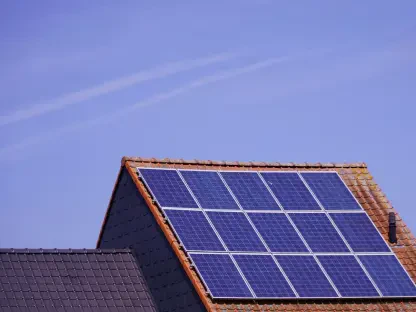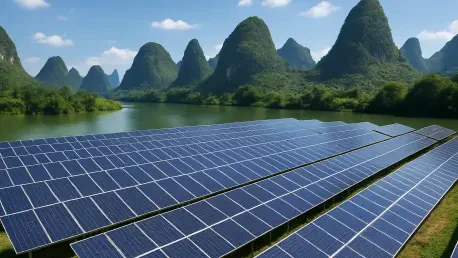

A stark warning has emerged from security analysts about a “digital time bomb” embedded within the nation’s critical infrastructure, suggesting the U.S. power grid is dangerously exposed to a significant national security threat stemming from its widespread adoption of Chinese-manufactured solar technology. At the heart of this concern are inverters, the unassuming yet essential electronic devices that serve as the brain of any solar energy system, converting the direct current (DC) generated by solar panels into the alternating current (AC) that powers homes and businesses. Experts fear these network-connected components, many sourced from companies with deep ties to the Chinese state, could be remotely accessed and manipulated, giving a foreign adversary the power to trigger destabilizing blackouts or methodically sabotage the electrical grid on a massive scale. This vulnerability represents a critical intersection of the nation’s green energy ambitions and its foundational security imperatives, raising urgent questions about the hidden costs of a globalized supply chain.
The Inverter’s Double-Edged Sword
A recent investigative report from Strider Technologies lays bare the scale of this exposure, revealing a “strategic vulnerability” that has quietly proliferated across the country. The report’s findings are alarming, citing a survey in which over 85% of participating U.S. utilities confirmed their use of inverters manufactured by companies with documented links to the Chinese government or its military apparatus. These devices are not merely passive components; they are sophisticated, internet-enabled pieces of hardware that manage power flow, optimize performance, and communicate with the grid. This connectivity, while essential for modern energy management, also creates a potential backdoor for malicious actors. As Strider CEO Greg Levesque starkly articulated, “The capability is there; the gun is loaded. Now we are debating whether they will pull the trigger.” The concern is that these inverters could be weaponized through hidden code or remote commands to disrupt grid frequency, cause equipment to fail, or orchestrate a coordinated shutdown of power generation across multiple sites simultaneously.
The threat is further amplified by China’s legal and political framework, which fundamentally blurs the lines between commercial enterprise and state intelligence operations. A national security law enacted in 2017 legally compels all Chinese companies, regardless of where they operate, to assist the state with intelligence-gathering work upon request. This mandate effectively transforms commercial technology suppliers into potential instruments of the state, creating a legal obligation for them to cooperate in activities that could be detrimental to U.S. national security. This legal structure suggests that assurances from manufacturers about the security of their products are secondary to the directives of the state. Security experts argue this law provides a clear and undeniable mechanism through which the Chinese government could exploit vulnerabilities in hardware deployed across the American landscape, turning a vital component of the green energy transition into a potential Trojan horse for cyber warfare and infrastructure sabotage.
Warnings Sidelined in the Push for Green Energy
Disturbingly, the report alleges that these profound security risks were not unknown to U.S. officials but were instead deliberately downplayed to avoid hindering the rapid expansion of renewable energy. An anonymous official revealed to The Washington Post that when national security experts within the Department of Energy raised red flags about these vulnerabilities during the Biden administration, their warnings were met with a “chilly” reception. The concerns were reportedly perceived by some as a “speed bump in the green energy transition,” an inconvenient obstacle to achieving ambitious climate goals. This suggests a critical policy failure where the urgent push for clean energy may have inadvertently overshadowed fundamental national security considerations, allowing a significant threat to become deeply embedded in the nation’s power infrastructure. The prioritization of one national goal over another has created a predicament where the very technology meant to build a more sustainable future could now be a vector for its disruption.
In response to these revelations, the Department of Energy has acknowledged the gravity of the situation, with a spokesperson stating that the agency is actively assessing these threats to grid security. However, the statement also directed criticism at the previous administration’s approach, suggesting it left the energy system vulnerable to exploitation. While Chinese officials have predictably dismissed the concerns as baseless and politically motivated, the evidence of risk continues to mount. Researchers have pointed to extensive Chinese studies focusing on grid vulnerabilities and have documented active probing of the American grid by Chinese engineers. This ongoing activity, combined with the legal obligations placed on Chinese tech firms, creates a troubling picture. The official U.S. government response now appears to be a mix of belated recognition and political finger-pointing, while the underlying technological vulnerability remains largely unaddressed across thousands of energy installations nationwide.
The Ripple Effect of a Digital Threat
The potential fallout from a successful cyberattack targeting these solar inverters was described as catastrophic by security experts, extending far beyond the immediate loss of power. Thomas Fanning, the former CEO of utility giant Southern Company, warned that a sophisticated attack on the grid could trigger devastating cascading effects, crippling the nation’s financial and communications networks which are entirely dependent on a stable supply of electricity. Such an event would not require a complete coast-to-coast blackout to achieve its aims. Analysts who contributed to the report suggested that a bad actor could create widespread “societal panic” by orchestrating just a few significant, highly visible, and widely reported incidents. The psychological impact of demonstrating an ability to turn off the lights in major metropolitan areas could be as damaging as the physical disruption itself. The investigation concluded that this vulnerability represented a clear and present danger that had been allowed to fester due to a lack of foresight and a conflict between policy objectives.