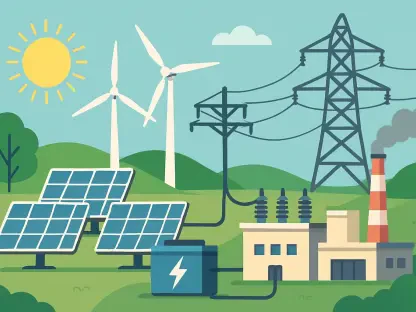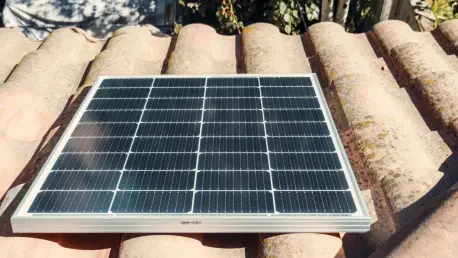

As urban density continues to climb and the demand for sustainable energy solutions outpaces traditional infrastructure, Colorado legislators are championing a transformative approach to residential power through the introduction of House Bill 1007. This legislative effort targets the significant barriers that have historically prevented millions of residents—particularly those living in apartments or rental properties—from participating in the renewable energy transition. By focusing on “plug-and-play” solar technology, the bill aims to bypass the expensive and permanent installations typically associated with rooftop arrays. These portable units, which can be connected directly to standard residential wall outlets, represent a shift toward a more decentralized and inclusive grid. While traditional solar often requires property ownership and significant capital investment, this initiative seeks to empower a broader demographic, allowing individuals to generate their own electricity with minimal technical expertise. The proposal reflects a growing trend of legislative modernization that prioritizes consumer flexibility over rigid utility-controlled frameworks. By streamlining the path for residential adoption, the state positions itself as a leader in the democratization of green technology.
Removing Regulatory Barriers for Residential Energy
The primary catalyst behind the current legislative push is the elimination of administrative “red tape” that has stalled the adoption of small-scale solar hardware. Currently, the process for integrating these systems into the local grid is often marred by a lack of clear regulation, frequently requiring arduous and time-consuming approvals from wholesale electric providers. HB1007 is designed to streamline these interactions, establishing a clear legal framework that removes the need for individual utility permits for low-wattage, portable systems. This shift is heavily influenced by successful models in Europe and neighboring Utah, where similar bipartisan efforts passed with overwhelming support. Utility companies have voiced concerns regarding grid stability and technical compatibility, leading to constructive dialogues about safety standards. However, the consensus remains that the benefits of expanding access far outweigh the minor technical adjustments required for implementation. By standardizing the equipment requirements and simplifying the connection process, the state can effectively lower the entry barrier for those who previously found solar power to be financially or legally unattainable due to the constraints of their living situations.
Strengthening Economic Resilience and Environmental Stewardship
The transition toward accessible solar technology offered a practical hedge against the rising costs of traditional utility services and fostered a sense of energy independence among diverse populations. While these plug-in systems generally provided about twenty-five percent of a household’s total energy requirements, the impact on monthly bills was significant for lower-income families. Furthermore, when these units were paired with modular battery storage solutions, they functioned as a critical backup during localized power outages, enhancing the overall resilience of the community. Legislative leaders recognized that the path forward necessitated a focus on interoperability and safety certification to ensure that portable panels did not adversely affect the broader electrical distribution network. Policy experts suggested that future developments should prioritize public education campaigns and financial incentives for low-income participants to maximize the reach of the program. By addressing the needs of renters and urban dwellers, the state established a blueprint for inclusive environmental action that other regions could emulate. Moving forward, the focus shifted toward integrating these decentralized assets into smart grid management systems to optimize the efficiency of the entire statewide energy portfolio.