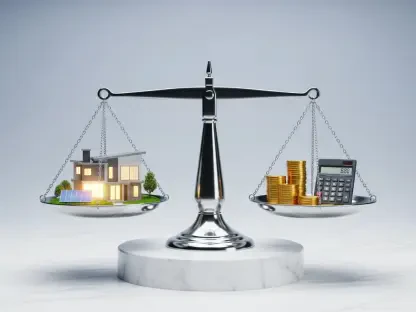

The most powerful catalyst for environmental change in the modern household appears not to be a widespread ecological awakening, but rather the stark reality reflected in a monthly utility bill. A comprehensive new study reveals that immediate financial pressures, particularly the escalating cost of energy, are the primary motivators compelling consumers to adopt more sustainable habits. The research, which gathered insights from 6,000 individuals across 12 diverse global markets including the UK, Germany, Turkey, and South Africa, underscores a pivotal shift in consumer priorities. It demonstrates that the abstract challenges of climate change and sustainability are being felt most tangibly through the household budget. For a majority of those surveyed, the rising expense of electricity and gas has moved from a background concern to a central driver of daily behavior and purchasing decisions, fundamentally reshaping the way people interact with their homes and the appliances within them.
The Demographics of Energy Conservation
An in-depth analysis of the data reveals a fascinating and somewhat counterintuitive landscape of who is leading the charge in household conservation. The findings indicate a strong correlation between age and energy-saving behaviors, with the over-54 demographic consistently demonstrating the most diligent efforts to reduce consumption. This trend suggests that life experience, perhaps including exposure to previous periods of economic instability, may foster more ingrained habits of frugality. In a striking contrast, the study found that as household income rises, the inclination to engage in these same conservation practices tends to decrease. This upends the common assumption that greater financial resources would equate to a greater capacity and willingness to invest in and practice sustainability. Instead, it appears that the direct financial sting of high energy bills is a more potent motivator than abstract environmental concern, particularly for those with less disposable income who feel the impact most acutely on their budgets.
A Global Divide in Smart Tech Adoption
While the motivation to save money on energy is a near-universal theme, the methods consumers are willing to adopt to achieve these savings vary dramatically across the globe, particularly concerning the use of smart appliances. The research identified a significant geographical divide in the enthusiasm for smart home technology. Developing markets showed remarkable eagerness, with adoption interest reaching 81% in Thailand, 86% in Pakistan, and 80% in Turkey. Conversely, established Western European economies displayed considerably more skepticism, with interest levels in Germany and the UK hovering at just 39% and 40%, respectively. A key factor linked to these higher adoption rates was consumers’ practice of actively tracking their energy consumption, suggesting that those who are more engaged with their usage data are more open to technological solutions. This disparity highlights a crucial “trust gap” in smart technology that must be bridged. The full potential of these innovations to foster sustainable living can only be realized when consumers are confident in their efficacy and security, proving that small, individual changes, when enabled by trusted technology, can culminate in a significant collective impact on global energy use.