
The Strategic Pivot: Meeting Unprecedented Energy Needs in the Midwest
The rapid transformation of the American heartland into a global hub for high-intensity digital infrastructure has forced a complete reimagining of the regional power grid. Evergy, a primary utility provider for 1.7 million customers across Kansas and Missouri, has recently announced a monumental shift in its operational strategy. By raising its five-year capital investment plan by 24 percent—from $17.5 billion to $21.6 billion—the company is signaling a departure from the traditional slow-growth utility model. This surge in spending is a direct response to a massive influx of energy-intensive industries, including global data center operators and electric vehicle battery manufacturers. The goal of this analysis is to explore how Evergy plans to navigate this rapid industrialization while maintaining grid reliability and price stability for its residential customer base. This massive capital injection serves as a bellwether for the broader energy transition occurring across the United States.
Evolution of the Grid: From Maintenance to Massive Growth
Historically, utility companies operated in an environment of stagnant or low growth, with energy demand typically increasing by less than 1 percent annually. This era was defined by maintaining existing assets and managing incremental population shifts. However, the landscape has shifted dramatically due to the rapid electrification of the economy and the explosion of digital infrastructure. In the Midwest, this transformation is particularly visible as the region becomes a hub for high-capacity technology projects. Understanding this background is essential because it explains why Evergy’s new projections—forecasting a 6 percent annual retail sales growth rate through 2030—are so significant. The shift represents a fundamental change in how the power grid is perceived: no longer just a background utility, but a critical engine for modern economic expansion. This new paradigm requires a departure from reactive maintenance toward proactive, growth-oriented infrastructure development.
Driving Force: Data Centers and Industrial Manufacturing
The Tech Sector Influence and Electric Service Agreements
The primary catalyst behind Evergy’s aggressive investment is the arrival of large load customers. In a remarkably short period, the utility secured Electric Service Agreements totaling 1.9 GW with industry giants such as Google, Meta, and Beale Infrastructure. These facilities require vast amounts of constant, reliable power to fuel artificial intelligence and cloud computing. The scale of these contracts is unprecedented; beyond those already signed, Evergy is in advanced discussions for an additional 2 GW to 3.5 GW of capacity. This demand surge has forced a reevaluation of infrastructure needs, as the utility must now build out high-voltage transmission lines and distribution networks at a pace rarely seen in the regulated utility sector.
The Rise of High-Capacity Industrial Manufacturing
While data centers dominate the headlines, industrial manufacturing is also playing a pivotal role in this expansion. The Panasonic Energy lithium-ion battery factory in De Soto, Kansas, stands as a cornerstone of this new industrial load. As the facility ramps up production to meet the demands of the electric vehicle market, it creates a long-term, high-volume requirement for power. This manufacturing momentum, combined with the tech boom, creates a dual-track demand profile that necessitates a more robust and flexible energy system. These projects provide a stable, long-term revenue stream, but they also require significant upfront capital to ensure the grid can handle the concentrated electrical stress of such massive facilities.
Diversifying the Generation Mix for Reliability
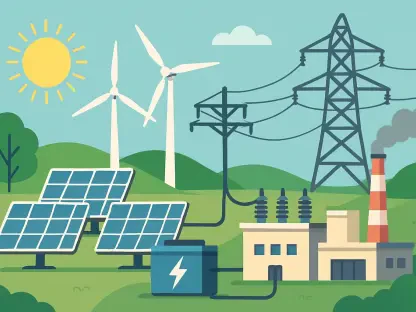
To keep pace with these new demands, Evergy is implementing a balanced generation strategy that emphasizes both reliability and sustainability. The $21.6 billion plan includes $4 billion for 1.9 GW of new gas-fired generation, providing the firm capacity needed to backstop the grid during peak times. Simultaneously, the company is investing $570 million into solar capacity and exploring battery storage solutions. This multi-pronged approach is also a regulatory necessity. The Southwest Power Pool, which oversees the regional grid, has increased reserve margin requirements to prevent outages during extreme weather. By diversifying its fleet, Evergy aims to meet these stringent mandates while accommodating the diverse energy preferences of its corporate partners.
Future Outlook: Technological and Regulatory Shifts
The future of the energy landscape in Kansas and Missouri will be defined by the successful integration of these mega-loads into the existing grid. We can expect to see further innovations in smart grid technology and demand-response programs as Evergy seeks to manage the timing of energy consumption. From a regulatory perspective, the emergence of specific rules for large-scale energy users will likely become a blueprint for other regions. Experts predict that as the load growth increases, the fixed costs of the grid will be spread across a larger volume of sales, potentially keeping residential rates below the rate of inflation despite the massive capital outlay. This transition to a growth-oriented model suggests that the Midwest will continue to be a competitive destination for tech and manufacturing firms seeking stable energy environments.
Navigating the Shift: Strategies for a Changing Utility Landscape
For businesses and consumers, the takeaway from Evergy’s expansion is that the regional energy infrastructure is becoming significantly more robust, albeit more complex. To capitalize on this, industrial partners should prioritize early engagement with utilities to secure capacity through service agreements. For residential consumers, the emphasis on economies of scale offers a layer of protection against soaring bills, though efficiency remains a best practice. Decision-makers should view these investments as a long-term commitment to regional economic resilience. As the utility transitions into this high-growth phase, staying informed about regulatory changes and infrastructure developments will be key to navigating the evolving energy market. Proactive communication between the utility and the community will ensure that the benefits of industrial growth are shared equitably.
Summary of Growth and Infrastructure Resilience
Evergy’s $21.6 billion investment marked a historic turning point for the utility and the communities it served. By pivoting toward high-growth sectors like data centers and battery manufacturing, the company positioned itself at the heart of the digital and green-energy economy. The core themes of this expansion—capacity growth, load diversification, and grid reliability—highlighted a proactive approach to a rapidly changing world. This strategic shift ensured that the Midwest remained a vital player in the global industrial landscape, proving that even the most traditional sectors evolved to meet the demands of the future. The project demonstrated how large-scale utility planning successfully balanced corporate needs with residential stability. Ultimately, the transition solidified the region’s reputation as a reliable hub for technological innovation and industrial manufacturing.