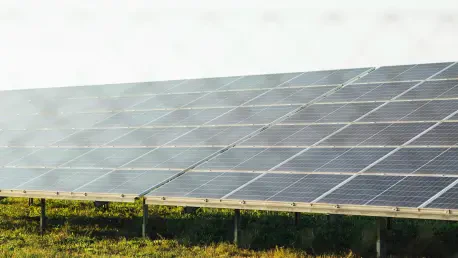

The persistent decline in global commodity prices has forced many multigenerational American agriculturalists to reconsider their traditional planting schedules in favor of more stable, technology-driven revenue streams. As market volatility continues to erode the profit margins of staples like cotton and corn, a growing number of producers have pivoted toward agrivoltaics, a practice that merges land cultivation with renewable energy production. This transition is not merely a trend but a survival strategy for families who have farmed the same soil for over a century. Chad Raines, a fourth-generation producer, recently made the difficult decision to halt cotton production to avoid a looming financial deficit that threatened his heritage. By repurposing his land to support solar infrastructure and grazing livestock, he secured a reliable income that traditional harvesting could no longer provide. This symbiotic relationship transformed underutilized acreage into a dual-purpose asset that generated energy while maintaining agricultural productivity. The shift highlighted a broader movement within the heartland where financial resilience became synonymous with technological adaptation and land-use diversification.
The Strategic Integration: How Sheep and Silicon Coexist
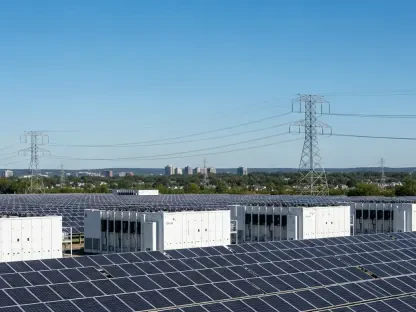
The operational success of these joint ventures relied on logistical advantages offered by biological maintenance compared to traditional mechanical methods. Solar energy firms, such as Silicon Ranch led by CEO Reagan Farr, identified that utilizing sheep herds to manage vegetation around panel arrays was more efficient than employing fossil-fuel-burning mowers. Mechanical equipment often posed risks to sensitive infrastructure, whereas sheep navigated the tight spaces beneath solar panels without causing damage to glass or wiring. From a management perspective, this arrangement reduced labor costs and eliminated the carbon footprint associated with heavy machinery. For farmers, the agreement provided a consistent service fee that supplemented the eventual sale of livestock in the meat market. To ensure viability, developers focused on installing essential infrastructure, including localized water supplies and reinforced fencing. This coordination ensured livestock remained protected while solar modules operated at peak efficiency, creating a system that benefited both the energy sector and the local rural economy.
The broader implications of this agricultural shift pointed toward a future where environmental stewardship and economic necessity were no longer at odds. Stakeholders recognized that increasing the supply of renewable energy directly mitigated the extreme weather patterns and prolonged droughts that historically devastated crop yields. By displacing coal and gas with cleaner alternatives, these agrivoltaic systems contributed to a more stable climate while lowering electricity costs for local operations. Industry leaders encouraged farmers to begin their transition by auditing land suitability and establishing partnerships with utility-scale developers early in the planning phase. The integration of livestock proved to be a critical component in maintaining soil health, as grazing animals naturally fertilized the earth beneath the panels. This holistic approach ensured that the land remained viable for future generations even as it powered the grid. Ultimately, the successful adoption of solar grazing demonstrated that the path to financial stability required a willingness to abandon outdated monoculture models in favor of diverse revenue streams.