
In the shadow of Washington’s rolling hills, a monumental clash between the urgent demands of a modernizing energy grid and the timeless traditions of an ancient culture has culminated in a federal decision that reverberates across the Pacific Northwest. Federal regulators have granted a 40-year license to a massive renewable energy project, setting the stage for the construction of a $2 billion facility directly atop a site the Yakama Nation holds as one of its most sacred. This approval highlights a profound and growing dilemmhow to balance the critical need for green energy infrastructure with the solemn obligation to protect the irreplaceable cultural heritage of Indigenous peoples. The outcome of this conflict will not only determine the future of a landscape but also set a precedent for similar disputes nationwide.
When Green Energy Threatens Hallowed Ground
The central paradox of the Goldendale Energy Storage Project is stark. On one hand, it is presented as a vital tool in the fight against climate change, a technological solution designed to usher in an era of stable, renewable power for a region facing an energy deficit. Proponents champion it as a forward-thinking investment in a sustainable future. On the other hand, for the Yakama Nation and a coalition of 17 other tribal governments, the project represents an existential threat to their cultural survival. The proposed construction site, known as Pushpum, is not merely land; it is a living cultural landscape, a place of ceremony, sustenance, and spiritual connection that has been used since time immemorial.
This conflict pits two vastly different worldviews against each other. One sees the land through a lens of utility and engineering, identifying its geological suitability for a massive hydropower facility. The other sees a sacred geography, a place imbued with history, ancestral memory, and ecological importance that cannot be quantified or replaced. The federal government’s decision to license the project has been interpreted by tribal leaders not as a compromise, but as a choice that prioritizes technological advancement over treaty rights and the preservation of a sacred trust, forcing a difficult conversation about whose future and whose heritage are deemed more valuable.
A Looming Power Deficit and the Promise of a Giant Battery
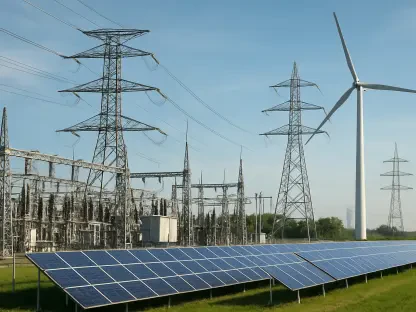
The push for the Goldendale project is fueled by a palpable sense of urgency within the Pacific Northwest’s energy sector. Regional electricity consumption is surging, driven significantly by the proliferation of power-hungry data centers that have outpaced all previous demand projections. This spike in demand is occurring just as the region grapples with the inherent intermittency of its primary renewable sources, wind and solar power. Without a reliable way to store the energy generated on windy or sunny days, the grid remains vulnerable to instability, creating a significant challenge for states like Washington and Oregon as they strive to meet ambitious climate goals without compromising access to affordable and dependable electricity.
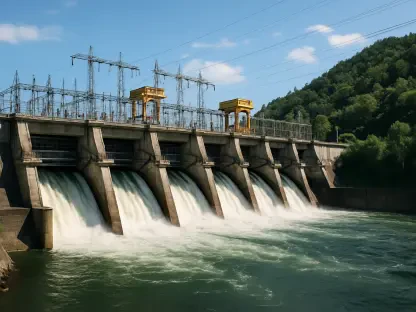
In response to this challenge, Rye Development has proposed the Goldendale Energy Storage Project as a transformative solution, effectively a “giant battery” for the entire region. The facility would utilize a proven technology known as pumped storage hydropower. During periods of low demand and surplus renewable energy, the system would pump 2.3 billion gallons of water from the Columbia River up to a newly constructed reservoir. When demand peaks, this water would be released, plummeting roughly 2,000 feet through a massive tunnel to spin turbines, generating enough electricity to power half a million homes. Proponents, including Rye Development’s Erik Steimle, have hailed the federal approval as a “landmark moment” that moves the region closer to grid reliability, affordable energy, and the successful achievement of its clean energy targets.
A Technological Marvel versus the Mother of All Roots
The Goldendale project is an engineering feat of immense scale. At a cost of approximately $2 billion and covering nearly 700 acres, it represents the first major pumped storage hydropower facility to be built in the United States in over three decades. The design includes a massive man-made reservoir and a 29-foot diameter tunnel drilled deep into the rock, an infrastructure designed to provide a stable backbone for the region’s power grid. The developer cited specific geological and geographical necessities for choosing this particular location, emphasizing its unique suitability for the project’s technical requirements and its proximity to the Columbia River and existing energy transmission lines. The site was previously home to an aluminum smelter, and its redevelopment was framed by the company as a productive reuse of industrial land.
In profound contrast, the Yakama Nation knows this same landscape as Pushpum, which translates to “the Mother of all roots.” Far from being a simple tract of land, it is a vital ecological and cultural center. According to conservation scientist and Yakama member Elaine Harvey, Pushpum has been a village site for generations and serves as a critical seed bank for nearly three dozen culturally significant plants, some of which are found nowhere else. It is an active site for treaty-reserved fishing, root gathering, and religious ceremonies, including the collection of early-season Indian celery vital to longhouse traditions. Acknowledging this reality, a state review of the project concluded that its construction would inflict “significant and unavoidable adverse impacts” on the Yakama Nation’s cultural resources, a finding that underscores the irreconcilable differences in how the two sides perceive the land’s value.
Echoes of Displacement and a Legacy of Broken Trust
For many members of the Yakama Nation, the battle over Pushpum is not an isolated incident but the latest chapter in a long and painful history of displacement at the hands of energy development. Elaine Harvey’s family history provides a poignant illustration of this generational trauma; her band was forcibly removed first by the construction of The Dalles Dam in the 1950s and then again for the John Day Dam project in the late 1960s. The fact that her people are once again being asked to sacrifice their heritage for what is labeled “green energy” adds a bitter irony to the conflict. Critics draw a direct line from this project to the flooding of nearby Celilo Falls, once the oldest continuously inhabited site in North America, which was submerged by The Dalles Dam, forever erasing a vital cultural and economic hub for Indigenous peoples of the Columbia River.
This history of broken promises and unheeded warnings has created a deep well of mistrust, making productive dialogue about mitigation nearly impossible. Yakama Tribal Council Chairman Gerald Lewis articulated the tribe’s frustration in a powerful statement, noting, “If a small Christian shrine sat on this site the decision-makers would understand what ‘sacred’ means.” While the developer asserts that it has adjusted project components to accommodate cultural concerns, tribal leaders view these moves as superficial and wholly insufficient. They are trapped in what Harvey calls an impossible choice: reveal the exact locations of their most sacred sites and risk their desecration by looters, or maintain their secrecy and risk their obliteration by construction crews. This dilemma highlights the fundamental disconnect in understanding between the developer’s technical approach to mitigation and the tribe’s holistic view of a sacred landscape that cannot be protected in piecemeal fashion.
The Unfolding Path of Legal Battles and Unwavering Resistance
The federal government’s decision to grant a 40-year license to the project, despite unified opposition from the National Congress of American Indians, the Affiliated Tribes of Northwest Indians, and a coalition of 17 tribal governments, has set the stage for a protracted legal fight. Opponents, including the Yakama Nation and the environmental group Columbia Riverkeeper, were given a 30-day window to challenge the federal license in court, an option they are expected to pursue vigorously. This legal challenge represents the next formal phase of the opposition, moving the conflict from the realm of regulatory review to the federal court system, where questions of treaty rights and federal trust responsibility will take center stage. With construction mandated to begin within two years, the clock is ticking for all parties involved.
Beyond the courtroom, resistance continues on the ground and in the public sphere. Yakama Nation members have vowed to continue their cultural and spiritual practices at Pushpum, demonstrating a resolute commitment to the site regardless of its legal status. Their fight for preservation has also gained national attention through efforts like the documentary “These Sacred Hills,” which chronicles their struggle and brings the human cost of the project into sharp focus for a broader audience. The ultimate fate of Pushpum and the Goldendale Energy Storage Project now hinges on the outcome of these intersecting legal, social, and cultural battles.
The federal approval of the Goldendale project stood as a stark reminder of the persistent conflicts between national infrastructure priorities and Indigenous sovereignty. While developers celebrated the decision as a victory for renewable energy and regional stability, the Yakama Nation and its allies viewed it as a continuation of a historical pattern of erasure and a profound failure to honor treaty-guaranteed rights. The legal challenges that followed were not merely procedural; they represented a fundamental questioning of whether the nation’s legal and regulatory frameworks could adequately protect sacred sites from destruction in the name of progress. The outcome of these disputes established critical precedents for how similar conflicts would be adjudicated in the future, forcing a national reckoning with the true cost of a transition to green energy and whose heritage was deemed expendable in that process.