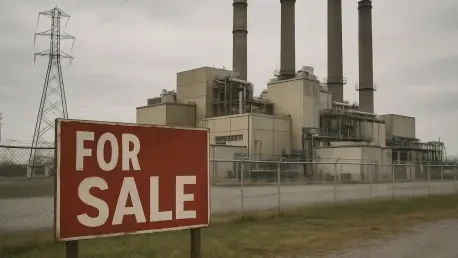

The rapid expansion of energy-intensive data centers has created a unique collision between the burgeoning artificial intelligence sector and the traditional utility landscape, leading to unprecedented regulatory scrutiny over power plant acquisitions. At the heart of this tension is the proposed sale of the Morgantown generating station in Maryland, a transaction that has drawn intense opposition from a diverse coalition of public interest groups and local environmental advocates. These critics argue that the deal, which involves transitioning a legacy coal and gas facility into a massive computing hub, suffers from significant transparency issues and could destabilize the regional energy market. As federal regulators evaluate the petition to block this transfer, the case serves as a pivotal moment for how energy oversight bodies manage the entry of tech giants into direct ownership of critical generation assets. The controversy underscores the shifting dynamics of the power grid, where the demand for dedicated computing power now rivals the traditional needs of residential and industrial consumers.
Accountability in Major Power Transactions
Disclosure Requirements and Corporate Influence
The primary legal challenge facing the acquisition centers on the alleged failure of GenOn to disclose a substantial ownership stake held by Google within the purchasing entity’s corporate structure. Federal Energy Regulatory Commission guidelines are remarkably clear on this point, requiring the disclosure of any affiliate that controls more than ten percent of a buying party to ensure that market competition remains fair and balanced. Advocates from organizations such as Public Citizen and the NAACP have pointed out that Google’s fourteen percent stake, realized through specific financial warrants, represents a material omission that should technically invalidate the current application for the asset sale. Because Google already maintains significant market-based rate authority and manages various assets within the PJM Interconnection, the lack of transparency regarding their involvement suggests a potential for concentrated market power that could disadvantage smaller competitors and local ratepayers.
Beyond the technicalities of the filing, the concern over undisclosed corporate influence touches on the broader integrity of the energy markets in Maryland and the surrounding mid-Atlantic region. Critics contend that by omitting the role of a major technology firm, the sellers have effectively prevented the commission from conducting a thorough and accurate assessment of how this deal impacts regional competition. This lack of transparency is seen by many as an attempt to bypass the rigorous standards typically applied to utility mergers, especially when those mergers involve entities with deep pockets and extensive existing grid interests. The opposition argues that allowing such a transaction to proceed without full disclosure would set a dangerous precedent, potentially encouraging other companies to obscure the true nature of their financial backers during critical infrastructure transfers. This creates a regulatory blind spot that could eventually lead to hidden monopolies within the power sector.
Economic Viability and Grid Stability
The financial health of the acquiring firm, TeraWulf, has also become a focal point for regulatory pushback, particularly following reports of significant net losses during the previous operating year. Public filings revealed that the company faced a net loss exceeding six hundred million dollars in 2025, a deficit largely managed through a combination of equity issuance, debt accumulation, and the strategic sale of digital assets like bitcoin. This level of financial volatility has prompted the Maryland Office of People’s Counsel and market monitors to question whether a company with such an unstable balance sheet can reliably manage and maintain essential energy infrastructure. The risk is that a sudden financial downturn for the computing firm could lead to the neglect of the power plant or an abrupt cessation of operations, which would leave the PJM Interconnection with a sudden, unplanned generation gap that threatens overall grid reliability.
In addition to financial concerns, the logistical hurdles associated with the planned redevelopment of the Morgantown site present a significant challenge to the feasibility of the project. The proposed transition involves constructing one thousand megawatts of gas-fired generation alongside a substantial battery storage complex to support the data center’s immense load. However, the practical reality of fueling such a project remains in doubt, as the nearest natural gas pipeline is located twenty miles away and is currently operating at its maximum capacity. Without a clear path to securing a steady fuel supply, the promise of new, efficient generation remains purely theoretical, leading many to believe that the existing infrastructure will simply be removed from the public market to serve private interests. This transition was viewed as a potential catalyst for higher electricity rates, as the reduction in available market supply often forces regional prices upward for all remaining consumers.