
The long-standing challenge of providing consistent, grid-scale power from renewable sources has reached a pivotal turning point with the emergence of a groundbreaking project in Southeast Asia, signaling a fundamental transformation in how nations approach energy infrastructure. For decades, solar power has been viewed primarily as a supplementary energy source, a valuable but intermittent contributor that could only lighten the load on traditional fossil fuel plants during daylight hours. This perception has largely confined its application to smaller, distributed installations such as rooftop panels and modest solar fields. However, the Terra Solar project in the Philippines is shattering these limitations, demonstrating that solar energy, when implemented at an unprecedented scale and coupled with advanced technology, can serve as a primary, round-the-clock power source for a national grid. This initiative represents more than just an incremental increase in capacity; it is a complete reimagining of the role of solar power, elevating it from a secondary helper to a foundational pillar of the country’s energy system.
Redefining the Scale of Solar Energy
A Monumental Leap in Generation
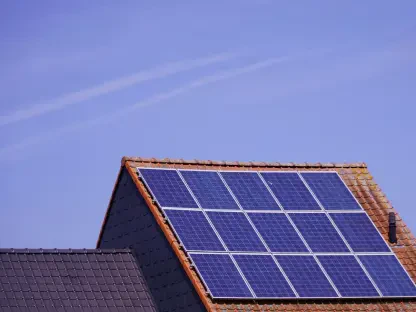
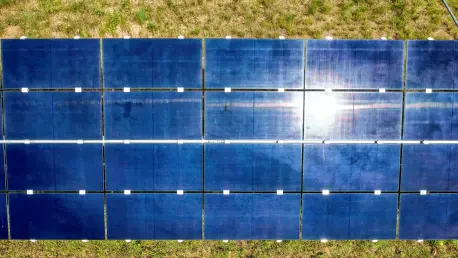
The sheer magnitude of the Terra Solar project marks a definitive departure from the conventional growth model of renewable energy. Featuring a deployment of up to 5,000,000 individual solar panels in a single, consolidated location, this initiative redefines what is considered a large-scale solar installation. This is not simply about adding more panels; it is a strategic redesign of the landscape to centralize solar generation as a core component of the national power infrastructure. Unlike the piecemeal approach of adding capacity through countless small, disconnected projects, this development treats solar with the same seriousness and scale as a traditional coal or nuclear power plant. This concentration of resources allows for efficiencies in operation, maintenance, and grid integration that are impossible to achieve with distributed systems. By dedicating a vast area to energy production, the project transforms the land into a singular, powerful engine for the nation’s grid, establishing a new benchmark for how renewable energy can be planned and executed on a national level, moving it firmly into the domain of primary power generation.
The Symbiosis of Solar and Storage
The viability of a solar project on this colossal scale hinges on one critical technological innovation: the integration of large-scale energy storage. The primary historical weakness of solar power has always been its intermittency—its inability to generate electricity after sunset or on heavily overcast days. The Terra Solar project directly confronts this challenge by pairing its vast photovoltaic array with a sophisticated battery storage system capable of holding massive amounts of energy. During peak sunlight hours, the solar panels generate far more electricity than is immediately needed. This surplus energy is captured and stored in the batteries instead of being wasted. As the sun sets and energy demand remains high, the stored power is discharged back into the grid, ensuring a seamless and continuous supply of electricity throughout the night. This dynamic creates a stable and reliable power source that mimics the output of a conventional baseload power plant, providing predictable and dispatchable energy 24/7. This successful synergy between generation and storage is the key that unlocks solar’s potential to be a full-time, dependable component of a modern energy grid.
Global Implications and a New Energy Paradigm
A Blueprint for National Energy Independence
For the Philippines, the successful implementation of the Terra Solar project has delivered tangible benefits that extend far beyond environmental considerations. By generating a significant portion of its electricity from a domestic, renewable source, the nation has substantially reduced its dependence on volatile international markets for imported fossil fuels like coal and natural gas. This shift not only strengthens national energy security but also insulates the economy from the price shocks and supply chain disruptions that frequently plague global energy markets. Furthermore, the provision of a stable, locally-produced power source has enhanced the reliability of the national grid, leading to fewer blackouts and brownouts that have historically hampered industrial productivity and daily life. The project serves as a powerful, real-world demonstration that strategic investment in large-scale renewables can directly translate into greater energy independence and economic stability, offering a compelling model for other developing nations seeking to secure their energy future while simultaneously meeting their climate goals.
The Dawn of Mainstream Renewable Power
The Terra Solar project’s completion was a landmark achievement that reshaped the global conversation around renewable energy. It provided definitive proof that solar power, once considered a peripheral and unreliable contributor, could serve as the backbone of a national energy system. The initiative’s success demonstrated that with sufficient planning, investment, and the crucial integration of energy storage, the limitations of intermittency were no longer an insurmountable barrier. This real-world proof-of-concept served as a powerful message to governments and energy sectors worldwide, establishing a new, replicable blueprint for deploying renewable energy as a dependable, mainstream power source. The project’s significance was not merely in its record-setting size, but in the paradigm shift it represented. It confirmed that the era of treating renewables as a secondary alternative had passed, paving the way for a future where solar energy could reliably power entire cities and industries around the clock.