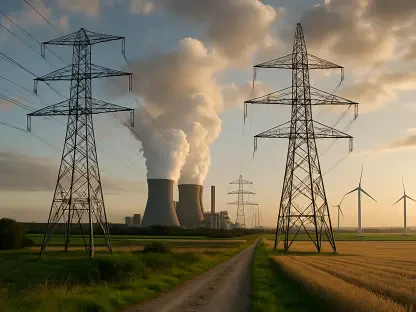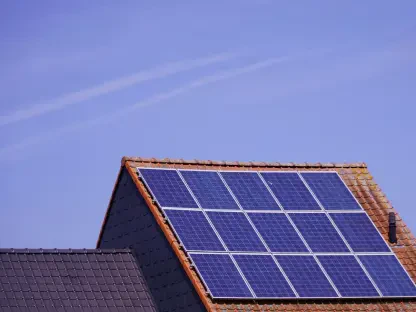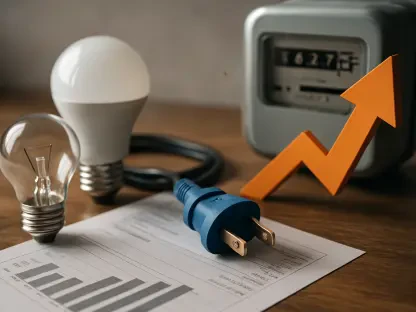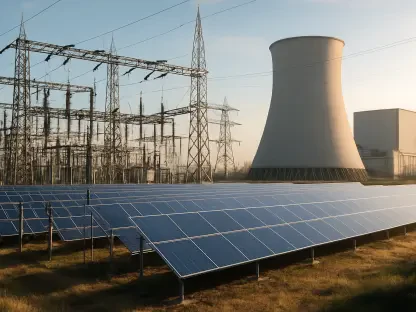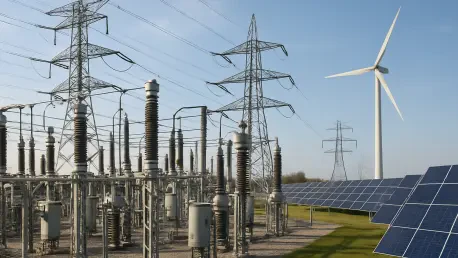

The existing electrical infrastructure in the United States continues to operate on a model designed for a different century, often failing to capitalize on the sophisticated digital tools now available to manage energy distribution. A new advocacy coalition known as Utilize, which includes heavyweights such as Google, Tesla, and the data center developer Verrus, has emerged to challenge the status quo by highlighting how the current grid remains drastically underutilized during typical daily operations. The central thesis driving this group is that modern grids are engineered to withstand rare, extreme bursts of peak demand, leaving a significant amount of latent capacity wasted during the vast majority of the year. This inefficiency represents a massive economic and environmental opportunity if regulators can be persuaded to adopt more flexible management strategies. By focusing on the hidden capacity within existing lines and substations, the coalition argues that the nation can meet rising power needs without solely relying on the construction of expensive and slow-to-build traditional power plants.
Bridging the Gap Between Distributed Resources and Policy
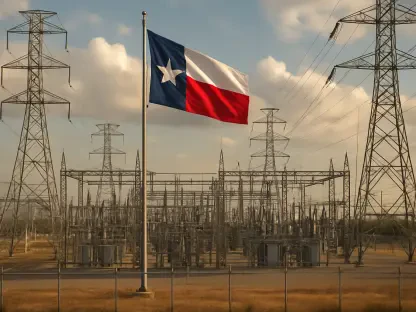
The coalition identifies a profound disconnect between the rapidly advancing technological landscape and the rigid regulatory frameworks that currently govern utility companies across various states. While hardware solutions like Tesla’s battery storage systems, Span’s smart electrical panels, and Carrier’s advanced HVAC units are already capable of creating a more responsive energy ecosystem, policy barriers often prevent these tools from being fully integrated into the grid. These distributed energy resources, which also include virtual power plants and sophisticated demand response systems, have already demonstrated their critical value in real-world scenarios. For instance, the strategic deployment of battery storage has significantly bolstered the resilience of the Texas grid during recent cold snaps, preventing the kind of widespread blackouts that might have occurred in previous years. However, many regulators continue to favor centralized fossil fuel plants, overlooking the agility and cost-effectiveness of these decentralized, technology-driven alternatives.
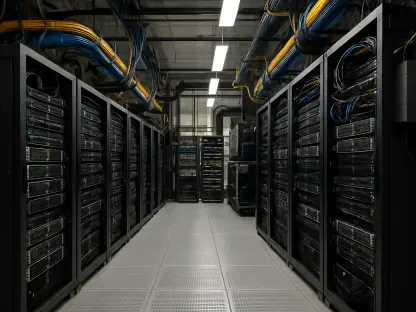
Strategic alignment within the Utilize group represents a unique marriage between the “buy side” and the “sell side” of the modern energy market, creating a powerful unified voice for reform. On one side, companies like Google and Verrus require staggering amounts of reliable, clean power to fuel the massive data centers essential for artificial intelligence and cloud computing. On the other side, manufacturers like Tesla, Span, and Carrier provide the physical hardware and software necessary to manage and optimize that power consumption with surgical precision. This partnership aims to move beyond simple advocacy by demonstrating how high-demand consumers can work in tandem with technology providers to stabilize the grid rather than just straining it. By aligning these often disparate interests, the coalition hopes to catalyze a shift toward a more dynamic and transparent energy market where efficiency is prioritized. This collaboration is designed to show that technological integration is not merely a preference for the private sector but a necessary evolution for national energy security in the digital age.
Legislative Progress and the Path Toward Grid Transparency
Early signs of legislative success suggest that the coalition’s message is beginning to resonate within state governments, particularly in regions where energy demand is skyrocketing due to industrial growth. In Virginia, members of the coalition supported a pivotal bill that requires utilities to disclose specific, granular data regarding grid usage and available capacity, a move that breaks decades of informational gatekeeping by major utility providers. This level of transparency is essential for third-party developers and technology companies to identify exactly where distributed energy resources can be most effectively deployed to relieve local congestion. Without such data, the process of modernizing the grid remains a guessing game dictated by the priorities of traditional utilities rather than the actual needs of the marketplace. By pushing for open data standards, Utilize is laying the groundwork for a more competitive environment where innovative energy solutions can compete on a level playing field with legacy infrastructure.
The formation of this alliance signaled a fundamental shift in how the energy industry approached the challenges of modernization, moving away from reactive measures toward a proactive, tech-centric model. To ensure the electrical grid could meet the evolving demands of the green energy era, the coalition focused on actionable steps such as streamlining the interconnection process for battery storage and incentivizing the adoption of virtual power plants at the residential level. Regulators were encouraged to move beyond outdated cost-recovery models that rewarded utilities for building new physical plants regardless of their actual necessity. Instead, the framework shifted toward performance-based metrics that prioritized efficiency and the integration of decentralized assets. These efforts moved the industry toward a future where power management was as digitized and agile as the internet itself. By successfully challenging long-standing skepticism, the coalition provided a blueprint for how private innovation could overhaul public infrastructure. The result was a more resilient and transparent energy landscape that successfully balanced the needs of massive data centers with the sustainability goals of the broader public.