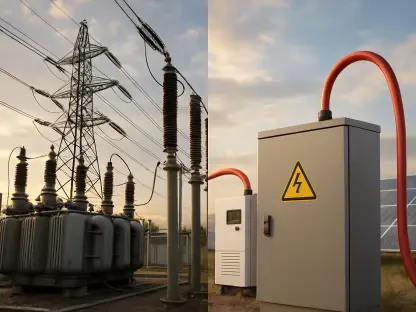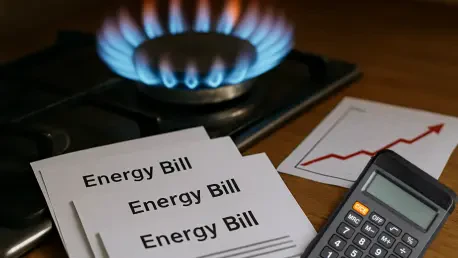

A comprehensive new impact report reveals a decisive shift in how American families are fighting back against soaring utility bills, which saw a 6% nationwide increase in 2025 and left nearly 80 million people struggling to manage their expenses. As skyrocketing energy demand, driven largely by the proliferation of power-intensive data centers, places unprecedented strain on both household budgets and the national grid, an innovative financial model is making clean energy technologies more accessible than ever. By leveraging subscription-based services, homeowners are now able to adopt solar panels and high-efficiency home systems without the prohibitive upfront costs, unlocking immediate financial relief, gaining long-term control over their energy consumption, and contributing to a more stable and sustainable energy future for everyone. This trend signifies a democratization of clean energy, transforming it from a luxury for a few into a practical solution for the many.
A New Path to Energy Independence
The desire for energy independence has long been hampered by a significant financial barrier, effectively locking millions of homeowners out of the clean energy market. While the benefits of installing solar panels to generate free electricity or upgrading to high-efficiency HVAC and water heating systems to slash consumption are well-documented, the initial investment remains daunting. Data from EnergySage shows that an average residential solar panel system can cost approximately $30,000, a figure that places it well beyond the reach of the average American family. This substantial capital outlay is further complicated by a lengthy average payback period of 10.5 years, a long-term calculation that is simply not feasible for households navigating more immediate financial pressures. This economic reality has historically confined the advantages of residential clean energy to a smaller demographic, leaving the majority of consumers vulnerable to the volatile and ever-increasing rates set by traditional utility providers.
However, an alternative pathway is emerging that completely bypasses this initial financial hurdle, revolutionizing how homeowners access and benefit from clean energy technology. The “energy subscription” model, known within the solar industry as a power purchase agreement (PPA), allows consumers to acquire and install solar panels and other high-efficiency equipment with zero upfront cost. Innovative programs, such as the LightReach plan for solar panels and batteries and the Comfort Plan for HVAC systems, exemplify this accessible approach. By eliminating the substantial initial investment, these subscription services empower homeowners to begin saving money on their utility bills from day one. This model fundamentally alters the economic equation, shifting the focus from a long-term investment to immediate monthly savings and allowing families to “take control” of their energy costs with predictability and confidence, a crucial advantage in an era of economic uncertainty.
Quantifying the Financial and Environmental Gains
The data-driven evidence from the report substantiates the profound impact of this subscription model on family budgets across the country. In 2025 alone, approximately 72,000 system installations were completed across 31 states and Puerto Rico, creating a vast network of energy-producing homes. The financial relief provided to these customers has been substantial and direct. In California, for example, homeowners utilizing this service collectively saved nearly $28 million on their electricity bills in 2025 when compared to what they would have paid under traditional utility rates. The model’s power to insulate consumers from market volatility was starkly illustrated in Connecticut, where an unexpected spike in electricity rates had no effect on these customers, who collectively saved almost $500,000. These figures demonstrate a clear and tangible benefit, transforming the abstract promise of clean energy into concrete, month-over-month savings that strengthen household financial stability.
Beyond the significant financial savings for individual families, the collective environmental benefits of these installations are equally impressive and far-reaching. The network of residential systems is projected to generate over 700 gigawatt-hours of clean electricity in 2025 alone, a massive output that directly displaces fossil fuel-based energy production. To put this figure into perspective, the report equates this clean energy generation to the environmental impact of removing roughly 110,000 gasoline-powered vehicles from the road for an entire year. This demonstrates how a distributed network of individual home energy systems can aggregate into a powerful force for decarbonization, contributing significantly to broader climate goals. It underscores a pivotal shift where empowered consumers, through their own energy choices, become active participants in the transition to a more sustainable and environmentally responsible energy landscape.
Bolstering a Strained National Infrastructure
One of the most compelling trends identified in the analysis is the increasingly vital role that residential solar generation plays in supporting the stability of the national electrical grid. This connection became surprisingly clear when examining the intersection between distributed home energy systems and the immense power demands of data centers. A case study in Florida revealed that residential solar installations offset nearly 10% of the local energy demand from these facilities in 2025. With projections indicating that data centers will account for 55% of all new energy demand growth through 2030, this finding is critically important. It proves that distributed energy resources—power sources like solar panels and batteries located at the point of use—are no longer a niche concept but a necessary component of a resilient and healthy modern grid, capable of mitigating the strain imposed by large-scale industrial consumption.
By generating power on-site, these residential systems fundamentally reduce the burden on centralized infrastructure, a benefit that becomes especially crucial during periods of peak demand, such as summer heatwaves. Instead of drawing massive amounts of power from distant plants over a complex and sometimes fragile transmission network, communities with high solar adoption can self-sustain a portion of their energy needs. This decentralization not only enhances local grid stability but also defers the need for costly and time-consuming infrastructure upgrades. The report highlighted how this distributed generation model is evolving from a supplementary power source into an integral part of the nation’s energy strategy, ensuring a more reliable and efficient power supply for everyone as the country’s energy appetite continues to grow in the coming decades.
Charting the Future of Home Energy
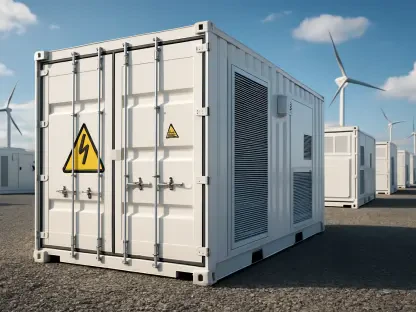
Looking forward, the strategic focus is on expanding these successful programs to make advanced energy management tools even more accessible. The growth of solar and high-efficiency HVAC subscription offerings will continue, complemented by a major push to integrate whole-home battery storage. Batteries are widely seen as the next frontier in home energy management, offering homeowners an unprecedented level of control and security. This technology enables the storage of cheap, off-peak energy—or excess solar power generated during the day—for later use during more expensive peak hours. Critically, these batteries also provide a seamless and automatic power supply during grid outages, offering a layer of resilience that is increasingly valuable in the face of extreme weather events. This strategic direction confirmed that affordability, reliability, and resilience would remain the central drivers of the clean energy transition for consumers.
The economic benefits of this model also extended well beyond individual households, creating a powerful ripple effect that supported small businesses and local economies. The energy platform fostered a robust network of over 500 active engineering, procurement, and construction partners across the country. This network represented an estimated workforce of more than 11,000 people, bolstering local job markets and empowering skilled installers and small business owners. By building a decentralized ecosystem of partners, this approach ensured that the financial advantages of the growing clean energy sector were distributed broadly, contributing to economic vitality in communities nationwide. It was noted that the publisher of the source material was acquired in 2025, though the coverage was conducted with editorial independence.