
As Houston prepares to welcome the world for seven FIFA World Cup matches at NRG Stadium, a unique and forward-thinking competition is unfolding not on the soccer pitch, but within the city’s vibrant hospitality industry. The Houston World Cup Host Committee has introduced a groundbreaking green initiative, creating a competitive framework for local businesses to showcase and enhance their environmental sustainability practices. This program, aptly named “New Year, New Hou,” is being championed as a once-a-generation opportunity for the city to leverage the global spotlight. The core objective extends far beyond simply preparing for the massive influx of international visitors; it aims to catalyze lasting positive change, strengthening local business operations in a way that provides long-term benefits to the community and the environment. The initiative is designed to embed eco-friendly practices into the very fabric of Houston’s business culture, ensuring that the legacy of the World Cup is not just a memory of thrilling matches but a tangible improvement in the city’s ecological footprint.
A Structured Approach to Sustainability
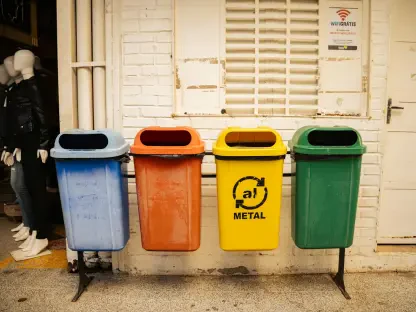
The “New Year, New Hou” program is meticulously designed with a three-tiered designation system to encourage broad participation from businesses at every stage of their environmental journey. This inclusive structure ensures that companies, regardless of their size or current level of sustainability efforts, can engage and be recognized. The entry-level “Yellow Leaf” designation is intended for small businesses that are just beginning to implement green practices. The intermediate “Blue Leaf” is for those with more established and consistent environmental efforts, while the top-tier “Green Leaf” is reserved for larger organizations that have achieved third-party sustainability certifications. To qualify for any of these prestigious designations, businesses operating within the Houston-Galveston area must complete a comprehensive online survey. This survey meticulously details their current practices related to waste management, energy consumption, and the use of natural resources. Specific qualifying actions include implementing robust recycling and composting programs, transitioning to energy-efficient LED lighting, installing electric vehicle (EV) chargers to support cleaner transportation, and sourcing ingredients from local farms to reduce food miles and support the regional economy.
Beyond the tiered structure, the initiative’s strength lies in the powerful incentives offered to participants, which shift the perception of sustainability from a costly obligation to a strategic advantage. A significant motivator for businesses to earn a Leaf status is the promise of prominent placement in a dedicated tourism guide created specifically for World Cup attendees. This provides an invaluable marketing and exposure opportunity, directing a global audience to establishments that have demonstrated a commitment to environmental responsibility. This approach reinforces the overarching trend of viewing sustainability not as a mere regulatory hurdle but as an essential component of being a responsible community partner. It also aligns with the growing expectation from international travelers for eco-conscious options. This perspective is actively supported by local business leaders, such as restaurateur Shawn Gawle, whose establishment has already earned a Blue Leaf by integrating sustainable practices into its daily operations. The program successfully frames environmental stewardship as a vital business practice that enhances brand reputation and attracts a discerning global clientele.
The Enduring Impact Beyond the Final Whistle
The strategic design of the initiative ensured that its influence would extend far beyond the tournament’s conclusion, fostering a permanent shift in the local business landscape. The primary objective was to create a tangible and lasting impact that would benefit Houston long after the final match had been played. By incentivizing the adoption of green technologies and practices, the program laid the groundwork for significant long-term operational efficiencies. Businesses that participated discovered direct financial benefits through lower energy costs, a result of upgrading to more efficient lighting and equipment. Furthermore, the focus on reducing food waste through better sourcing and composting programs not only decreased environmental impact but also improved profit margins for restaurants and hotels. The promotion of cleaner transportation methods, such as the installation of EV chargers, contributed to a broader city-wide effort to improve air quality and reduce carbon emissions. These changes, initially spurred by the World Cup, became embedded as standard operating procedures for many, creating a ripple effect that benefited the entire community and the local environment for years to come.