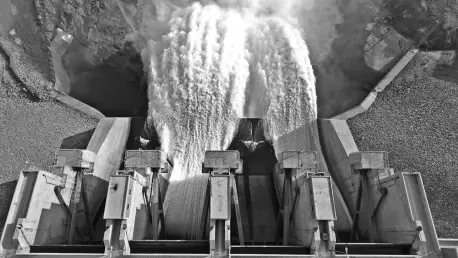

The Federal Energy Regulatory Commission is currently reshaping the landscape of American renewable energy by removing the dense bureaucratic hurdles that have historically slowed down hydropower development. For years, small-scale upgrades and routine administrative changes were bogged down by the same rigorous environmental reviews as massive new dam constructions. By modernizing these protocols, the commission is ensuring that the transition to a cleaner grid happens with much more speed and far less wasted capital.
This initiative primarily targets the National Environmental Policy Act review process, focusing on actions that pose little to no threat to the surrounding ecosystem. The shift toward administrative efficiency aims to provide the industry with the predictability it needs to thrive. Readers can expect to learn how specific regulatory changes, such as categorical exclusions, are being utilized to fast-track essential infrastructure work while maintaining high environmental standards.
Key Regulatory Questions and Developments
Why Is the Commission Expanding Categorical Exclusions?
The traditional environmental review process often creates a bottleneck for projects that do not actually change the physical footprint of a facility. By expanding categorical exclusions, the commission identifies specific activities that have been proven through experience to have no significant impact on the environment. This move allows the federal government to bypass the need for lengthy environmental assessments for routine business, such as the termination of a license where no ground disturbance occurs.
Moreover, this shift helps federal agencies manage their limited resources more effectively by focusing on high-stakes cases. When minor equipment updates or facility maintenance are pre-cleared, regulators can dedicate their full attention to complex projects that require deep scrutiny. This prioritization ultimately serves the public interest by speeding up the deployment of energy assets while keeping a watchful eye on major ecological risks.
How Are Existing Standards From Other Agencies Being Used?
To further accelerate progress, the commission is adopting several established categorical exclusions originally developed by the Tennessee Valley Authority. This collaborative approach recognizes that certain types of work, such as the modernization of electric transmission lines and the upkeep of project grounds, have already been thoroughly vetted for safety and environmental neutrality. Instead of reinventing the wheel, the commission is leveraging these proven standards to harmonize rules across different federal entities.
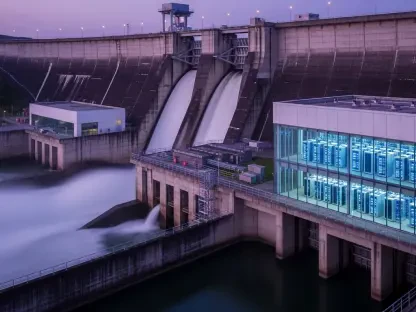
In contrast to older methods that required redundant studies for every single site, these shared standards provide a clearer roadmap for developers. They specifically cover the construction and maintenance of essential infrastructure at water power projects, which are critical for domestic energy security. By adopting these rules, the commission significantly reduces the time and cost associated with upgrading the national power grid, allowing for a more resilient energy future.
Summary of Recent Policy Shifts
The recent decisions made by the commission highlight a strategic move toward reducing regulatory friction in the hydropower sector. By focusing on low-risk activities, the agency has successfully created a more agile environment for energy producers. These reforms have gained widespread support from industry advocates who argue that a more streamlined process is essential for maintaining the nation’s aging infrastructure. The balance struck here ensures that while red tape is cut, the fundamental protection of natural resources remains a top priority for the government.
Final Reflections on Energy Reform
The evolution of these hydropower regulations demonstrated that administrative flexibility can coexist with environmental stewardship. Stakeholders should now look toward implementing these streamlined paths to upgrade existing facilities and invest in new transmission technologies. As the industry moves forward, the focus will likely shift to how these efficiencies can be applied to even broader categories of renewable energy. Moving toward a more integrated and less litigious licensing framework was a necessary step in securing long-term energy reliability.