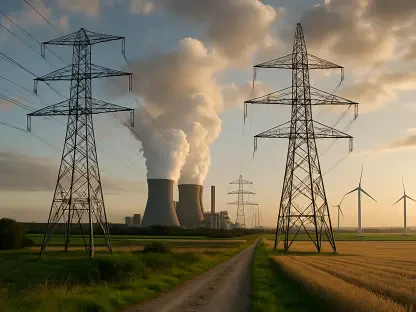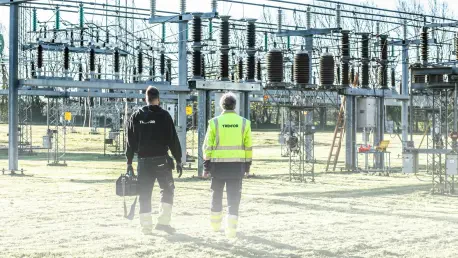

The quiet landscapes of Kansas and Missouri are currently witnessing a seismic shift as massive concrete shells and humming electrical substations replace the traditional scenery of the American Midwest. What was once seen as a region defined by agricultural output has rapidly pivoted into a high-tech industrial corridor, drawing in the world’s most powerful technology firms. This transformation is not accidental; it is the result of a deliberate and massive infrastructure overhaul designed to accommodate a new generation of power-hungry tenants.
At the center of this metamorphosis is Evergy, the primary utility provider for the region, which recently unveiled a staggering $21.6 billion capital expenditure plan. This figure represents a 24% increase over previous projections, signaling a departure from the conservative growth models of the past. The investment is specifically engineered to transition the regional grid toward an “always-on” energy model, capable of supporting the relentless demands of artificial intelligence and large-scale manufacturing.
The Midwest’s Multi-Billion Dollar Power Play
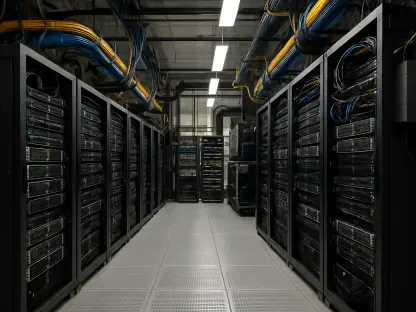
Beyond the cornfields, a sophisticated network of digital infrastructure is taking root, effectively rebranding the Heartland as a critical node in the global data economy. The sudden influx of investment is turning local towns into hubs for hyperscale computing, where the availability of land and stable power creates a competitive edge. This shift represents a fundamental change in how regional resources are utilized, moving away from local consumption toward fueling a global digital backbone.
The $21.6 billion figure caught the industry’s attention not just for its scale, but for what it reveals about the urgency of the energy transition. Breaking down this massive capital hike shows that the funds are primarily directed at expanding generation capacity and reinforcing transmission lines. By pivoting toward this high-stakes model, Evergy is positioning itself as a cornerstone of the AI era, ensuring that the infrastructure exists before the next wave of technological demand arrives.
Why the Regional Grid Is Reaching a Breaking Point
For decades, utilities operated in an era of incremental growth, where a 1% annual increase in demand was considered standard. That era has officially ended, replaced by a surge that has pushed existing systems to their limits. The convergence of three major drivers—hyperscale data centers, massive electric vehicle battery manufacturing, and new reliability mandates—has created a “perfect storm” for power providers who must now build faster than ever before.
The economic stakes extend far beyond local utility bills, as the Southwest Power Pool (SPP) has begun demanding higher reserve margins to prevent regional blackouts during extreme weather events. These mandates require utilities to maintain more “spare” power than in previous years, adding another layer of complexity to the expansion. Without these aggressive investments, the region would risk losing its ability to attract new business, as energy reliability has become the primary metric for corporate site selection.
Building the Infrastructure for the AI ErThe Gas and Solar Blueprint
To meet these demands, the strategic blueprint includes a $4 billion investment specifically for 1.9 gigawatts (GW) of gas-fired generation. This “firm” power is essential for providing 24/7 reliability, serving as the steady foundation that intermittent sources like wind cannot yet provide on their own. By prioritizing natural gas, the utility ensures that data centers, which require constant uptime, remain operational regardless of weather conditions or time of day.
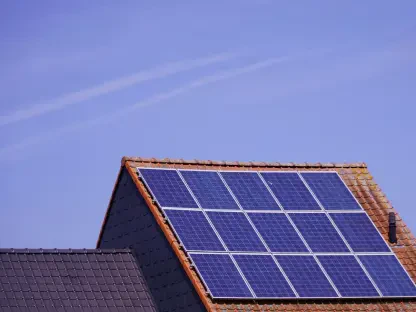
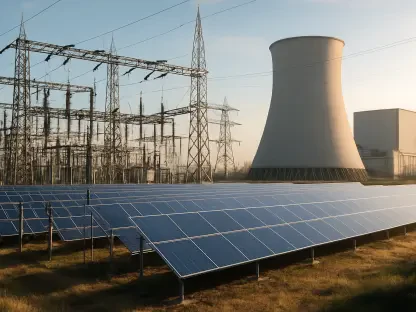
Sustainability remains a key part of the mix, with the integration of 325 megawatts (MW) of solar energy to balance industrial needs with environmental goals. This hybrid approach allows the grid to diversify its intake while maintaining the high-intensity output required by modern technology clients. Future-proofing the grid also involves evaluating additional battery storage and secondary gas capacity, ensuring the system remains flexible as energy storage technology continues to evolve.
Building the Infrastructure for the AI ErThe Data Center Influx
The scale of this expansion is best illustrated by the service agreements already in place with industry titans like Google and Meta. These agreements, totaling 1.9 GW of load, represent more power than many medium-sized cities consume in their entirety. This “load growth” explosion has forced a transition from stagnant sales projections to a forecasted 6% annual retail sales growth through 2030, a rate that would have been unthinkable just a few years ago.
Individual projects are acting as catalysts for this wider regional electrification, such as the Panasonic Energy battery factory in De Soto. As these massive industrial facilities go online, they create a ripple effect, necessitating upgrades to high-voltage lines and substations across multiple counties. The sheer volume of these new connections is transforming the utility’s operational focus from simple maintenance to complex, large-scale construction.
Expert Perspectives on the Financial Balancing Act
Navigating this transition requires a delicate financial strategy, which leadership describes as “load spreading.” By attracting high-volume tech giants, the utility aims to use the massive revenue from these corporate clients to subsidize the foundational infrastructure costs that would otherwise fall on residents. This strategy is designed to keep the system’s expansion affordable for the average household while still funding the billions in required upgrades.
The shift to an 11.5% rate base projection reflects a significant increase in investor confidence and long-term stability. While the utility faced some short-term headwinds in 2025 due to rising interest costs and depreciation, the long-term outlook remains focused on the compounded value of a modernized grid. Maintaining this balance is critical to ensuring that the pursuit of high-tech growth does not alienate the existing customer base through unsustainable price hikes.
Strategies for a High-Capacity Energy Future
Prioritizing “firm” power remains the cornerstone of this strategy, as high-intensity technology clients cannot afford even a millisecond of interruption. Natural gas serves as the bridge to the future, providing the stability necessary to support AI workloads that run around the clock. At the same time, regulatory alignment with officials in Kansas and Missouri has become a top priority to ensure that the permitting and approval processes for new generation projects do keep pace with construction schedules.
The final component of this strategy was the implementation of a residential shield, a revenue model that successfully aimed to keep consumer rate increases at or below the level of inflation. By leveraging the immense scale of data center contracts, the utility managed to distribute the financial burden of grid modernization across a much wider base. Moving forward, the focus shifted toward optimizing these new assets, ensuring that the massive capital investments made during this period would continue to provide reliable, cost-effective energy for decades to come.