
Starting January 1, 2026, Thailand will officially launch its sustainable aviation fuel mandate, requiring a one percent blend to begin a long-term carbon reduction strategy. This milestone marks a critical pivot in the nation’s energy landscape as it grapples with the complexities of regional instability and volatile global oil prices. With a projected 22 percent increase in biodiesel production and consumption already underway this year, the government is utilizing a multi-pronged approach to stabilize the domestic market. These state-led initiatives are not merely reactionary measures to external pressures but represent a deliberate transition toward self-reliance and environmental stewardship. By integrating financial subsidies and aggressive blending mandates, the authorities aim to shield consumers from fluctuating fossil fuel costs while fostering a robust local biofuels industry. This systematic shift reflects a broader commitment to reducing the carbon footprint of the transportation sector through innovation.
Strategic Integration of Biodiesel Standards
Scaling Domestic Blending Requirements
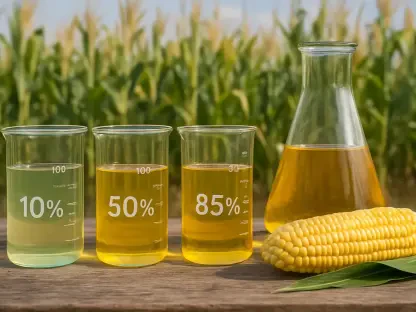
In March, the government implemented a tactical adjustment by raising the biodiesel blending mandate from B5 back to B7. This decision was primarily driven by the need to curb heavy dependence on imported fossil fuels, which have become increasingly expensive due to persistent geopolitical tensions. By mandating a higher percentage of palm-based biodiesel in the national fuel mix, the administration effectively creates a guaranteed market for local farmers while reducing the outflow of foreign currency. This policy serves as a protective buffer, stabilizing retail diesel prices through the use of the State Oil Fund to subsidize the cost difference. Furthermore, the shift to B7 is a vital component of the current energy strategy, providing a clear signal to the private sector that the demand for bio-based additives will remain consistent. This regulatory certainty allows refineries to optimize their production cycles and invest in higher-quality distillation processes to meet requirements.
Securing Feedstock Through Export Controls
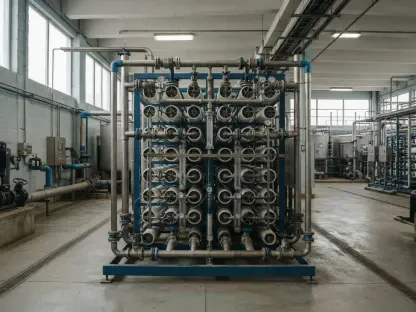
To support this increased blending requirement, the private sector has significantly expanded its industrial capacity. A primary example is the recent operationalization of a large-scale biodiesel facility in Chonburi, which is now capable of producing approximately 300,000 tons annually. This facility represents a major leap forward in the country’s ability to process domestic feedstock efficiently. To ensure that these refineries have a steady supply of raw materials, the government has prioritized domestic supply security by implementing strict controls on crude palm oil exports. This strategic restriction has led to a noticeable decline in the volume of oil leaving the country, ensuring that the rising domestic demand is met without relying on volatile international markets. By focusing on the internal value chain, the nation is building a resilient ecosystem where agricultural output directly fuels the transportation sector, minimizing logistics-related carbon emissions.
Advancing Aviation and Maritime Solutions
Pioneering Sustainable Aviation Technologies
The current technological trajectory for the aviation sector is centered on the hydro-processed esters and fatty acids pathway, commonly known as HEFA. This specialized process converts used cooking oil into high-grade jet fuel, providing a second life for waste products that would otherwise contribute to environmental degradation. Industry leaders such as Bangchak and PTT Global Chemical have already successfully operationalized commercial production lines to meet the new mandate. Bangchak’s dedicated facility is currently producing one million liters of sustainable aviation fuel daily, demonstrating the scalability of this green technology. By utilizing used cooking oil as a primary feedstock, the industry is effectively decoupling fuel production from the food supply chain, addressing concerns regarding land use and biodiversity. This approach allows the country to capitalize on waste streams while developing the expertise necessary to lead the regional market.
Building a Resilient National Bio-Economy
The strategic expansion into marine fuels and the formalization of renewable targets established a solid foundation for the nation’s energy independence. By launching the commercial distribution of B24 marine fuel and setting a 900-million-liter biodiesel goal, the energy sector successfully demonstrated the versatility of its current infrastructure. Moving forward, the focus must shift toward optimizing the collection and logistics of waste-based feedstocks to prevent bottlenecks in the production cycle as demand increases. Enhancing the transparency of the supply chain through digital tracking systems will likely improve the credibility of carbon reduction claims on the international stage. Furthermore, fostering deeper collaboration between the public sector and research institutions will be essential to lower the production costs of next-generation fuels. International pressure to decarbonize requires a flexible regulatory environment that rewards innovation to stay ahead.