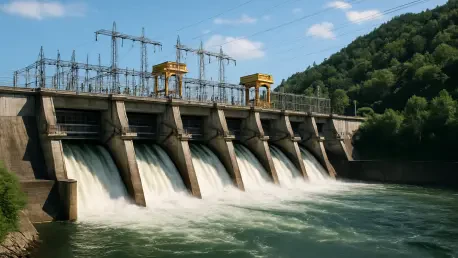

The challenge of maintaining a stable electrical grid in an age of volatile weather and fluctuating renewable sources has turned the spotlight back toward the dependable, albeit aging, giants of the energy world. While solar and wind receive much of the public attention, the heavy lifting of grid stability often falls on hydroelectric facilities that have stood for over half a century. The New York Power Authority’s “Next Generation Niagara” initiative serves as a definitive case study for this transition, representing a $1.1 billion commitment to transforming a 2,600 MW legacy asset into a digitized powerhouse. This modernization effort is not a simple repair job but a fundamental reimagining of how water-driven energy integrates into a modern, high-demand electrical ecosystem.
The Evolution of Hydropower Infrastructure and Rehabilitation
Hydropower remains a cornerstone of the global renewable energy portfolio, functioning on the core principle of converting the kinetic energy of flowing water into electricity through mechanical turbines. As many primary facilities reach their 60th or 70th year of operation, the industry has shifted toward comprehensive modernization. This context involves transitioning from legacy mechanical systems to integrated digital environments, ensuring that aging plants can meet the rigorous demands of a modern electrical grid while maintaining their role as reliable providers of clean electricity.
The shift toward modernization is driven by the need for “firm” power—energy that is available regardless of weather conditions. Unlike lithium-ion storage, which currently faces duration limitations, a modernized hydro plant offers a massive, spinning reserve that can react to grid frequency changes in seconds. By upgrading these facilities, engineers are essentially bridging the gap between the industrial mechanical era and the era of smart-grid synchronization, allowing old assets to perform with a precision never intended by their original designers.
Primary Technical Components of Modernization Initiatives
Comprehensive Mechanical Overhaul: Turbine Refurbishment
Modernization focuses on replacing critical aging components to restore and enhance operational efficiency. This includes the precision replacement of wicket gates, operating mechanisms, head covers, shafts, and guide bearings. By upgrading these core mechanical elements, facilities can extend their service life for several decades, ensuring that each generating unit operates with the reliability of a new, self-contained power plant. These replacements often involve superior alloys and better hydrodynamic designs that were unavailable when the plants were first constructed.
Integration of Advanced Digital Control Systems
A central feature of current modernization is the shift from analog legacy technology to fully digitized control rooms and switchyards. This involves the installation of modern relays, switches, and electrical components that allow for real-time monitoring and data-driven decision-making. These digital upgrades improve response times to grid fluctuations and enhance the precision of power generation management. The transition to digital controls also allows for remote diagnostics, which significantly reduces the time required to identify and mitigate mechanical stresses before they lead to catastrophic failure.
Heavy-Lift Support Systems: Structural Inspection
Modernizing massive hydropower facilities requires specialized auxiliary infrastructure, such as high-capacity gantry cranes designed for the disassembly and reassembly of 600-ton components. Additionally, rigorous inspections of high-pressure penstocks ensure the structural integrity of the water delivery system. These support features are essential for executing complex upgrades without compromising site safety or long-term durability. Moving a 680-ton generator rotor requires not just brute strength, but a sophisticated logistics framework that accounts for the historical structural tolerances of the building.
Emerging Trends in Hydroelectric Engineering
The latest developments in the field emphasize the “digitization of the workhorse,” where traditional mechanical strength is paired with predictive maintenance algorithms. There is a growing trend toward modular upgrades, allowing large-scale facilities to remain partially operational while individual units are overhauled. This staggered approach ensures that the grid does not lose a massive chunk of its baseline capacity during the years-long upgrade process. It also allows engineers to apply lessons learned from the first modernized unit to subsequent refurbishments.
Furthermore, the industry is increasingly focused on high-flexibility generation to balance the variability of wind and solar energy in a modernized grid. Hydropower is unique because it can act as both a battery and a generator. As we move from 2026 toward a more decentralized grid, the ability to “black start” a system or provide immediate frequency response makes these modernized facilities more valuable than ever. They are no longer just sources of bulk energy; they are the stabilizers that prevent cascading outages in complex energy markets.
Real-World Applications and Sector Impact
Modernization technology is being deployed in major state-led initiatives, such as the New York Power Authority’s project at the Niagara Power Project. In these applications, individual upgraded units are capable of powering entire mid-sized cities, such as Rochester, New York. These implementations demonstrate how large-scale hydroelectric plants serve as the backbone of regional clean energy strategies, providing the high-capacity, reliable output necessary for industrial and residential stability. The success of the first of thirteen units returning to service highlights the viability of this billion-dollar investment strategy.
The impact extends beyond mere electricity production to economic security and environmental goals. By choosing to modernize existing structures rather than building new ones, authorities avoid the massive carbon footprint and ecological disruption associated with new dam construction. This strategy utilizes the “sunk” environmental cost of the original 1960s construction while extracting significantly more value and efficiency. It proves that the path to a green future often involves perfecting the tools we already possess rather than constantly seeking entirely new inventions.
Technical Hurdles and Implementation Challenges
The primary challenges facing hydropower modernization include the immense scale of the physical infrastructure and the logistical complexity of disassembling machinery that has been in place for over half a century. Regulatory requirements for environmental protection and the high capital costs associated with billion-dollar initiatives also present significant hurdles. Engineers must continuously develop new methods to mitigate the risks of equipment failure during the transition from legacy to digital systems. Often, the original blueprints do not match the “as-built” reality found after disassembly.
Furthermore, the integration of digital layers onto heavy mechanical systems introduces new cybersecurity risks. As these plants become more connected and data-dependent, they become targets for digital disruption. Balancing the benefits of real-time monitoring with the need for air-gapped, fail-safe security remains a top priority for project managers. The high price tag of these overhauls also requires a long-term political and economic commitment that can be difficult to maintain across different administration cycles, requiring a clear demonstration of the project’s long-term ROI.
Future Outlook for Hydropower Technology
The trajectory of hydropower points toward a future of fully autonomous generating facilities and enhanced energy storage capabilities. As global energy systems transition away from fossil fuels, modernized hydropower plants are expected to play a vital role for the next century. Potential breakthroughs in turbine design and materials science will likely further increase efficiency, making hydropower an even more resilient and affordable component of the global energy mix. We are seeing a move toward “smart” turbines that adjust their blade pitch in real-time based on water flow data.
Advanced sensors will likely become standard, providing a constant stream of health data to centralized AI hubs that can predict a component failure months in advance. This move toward zero-downtime operations will make hydropower the most reliable asset in the renewable portfolio. As the world pushes for total decarbonization, these plants will likely evolve into multi-purpose hubs that manage water resources for agriculture and municipal use while simultaneously acting as the primary anchor for regional microgrids and hydrogen production facilities.
Strategic Assessment and Review Summary
The modernization of hydropower infrastructure represented a pivotal shift in how the industry approached long-term asset management. Rather than allowing these facilities to decline into obsolescence, the strategic integration of digital control systems and high-efficiency mechanical components proved that legacy infrastructure could be adapted to meet 21st-century demands. This process transformed the Niagara Power Project into a state-of-the-art facility, ensuring that it remained the “clean energy workhorse” of the region. The successful return of the first generating units demonstrated that the technical risks of such a massive undertaking were manageable through rigorous planning and specialized auxiliary support.
Future initiatives must now focus on scaling these successes to smaller, privately-owned facilities that lack the massive capital of state authorities. The lessons learned from the “Next Generation Niagara” project provided a technical roadmap for balancing the immediate need for power with the long-term necessity of structural refurbishment. By prioritizing the digitization of mechanical assets, engineers created a resilient framework that allowed for better grid synchronization and predictive maintenance. This proactive investment strategy ultimately secured energy affordability and grid reliability for the next century, proving that modernization was the most effective path toward a sustainable and stable clean energy future.