
Amid the constant hum of diesel engines and the clang of shipping containers at the bustling port of Walvis Bay, a quieter revolution is underway, powered not by fossil fuels but by the elemental forces of sun, wind, and water. A pioneering green hydrogen facility, launched in December 2025, now stands as a testament to Namibia’s ambitious energy goals, positioning the nation at the forefront of Africa’s transition to a sustainable future. This project, a collaborative effort between Plug Power and Cleanergy Solutions Namibia, represents one of the continent’s first fully integrated commercial green hydrogen operations. By harnessing the region’s immense renewable resources, this plant is not merely generating clean fuel; it is forging a new economic and environmental path, providing a powerful demonstration of how green technology can decarbonize some of the world’s most challenging industrial sectors and create a blueprint for sustainable development across emerging economies.
A Landmark Project Takes Root
The Technology Powering a Cleaner Port
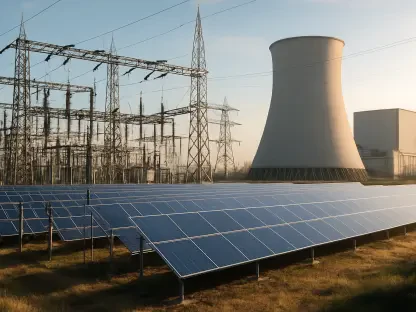
At the heart of this transformative initiative lies a sophisticated 5 MW electrolysis system, a compact yet powerful engine of change. This technology uses electricity generated exclusively from nearby solar and wind installations to perform a modern form of alchemy: splitting water molecules into their constituent parts, oxygen and hydrogen. The resulting green hydrogen is a completely clean energy carrier, producing only water when used as fuel. The facility is engineered to produce approximately two tonnes of high-purity green hydrogen daily, a significant output capable of fueling a fleet of more than 40 heavy-duty vehicles operating within the port. This includes essential equipment like yard trucks and cargo cranes, which have traditionally been major consumers of diesel. By replacing fossil fuels, the plant directly addresses operational emissions, contributing to a substantial reduction in the port’s carbon footprint and setting a new standard for industrial energy consumption in the region.
The design of the plant prioritizes both efficiency and long-term viability, occupying a physical footprint comparable to a small warehouse while housing a complex, fully integrated system. This modular approach ensures that key components, such as the electrolyzer stacks, can be easily replaced or upgraded over the system’s lifespan, minimizing downtime and ensuring continuous operation. The project’s reliance solely on renewable energy sources makes it a closed-loop, sustainable model. It serves as a powerful proof-of-concept, demonstrating that green hydrogen production can be achieved at a commercial scale in regions blessed with abundant natural resources. This self-sufficiency not only insulates the operation from volatile global energy markets but also solidifies its role as a stable, long-term asset in Namibia’s energy portfolio, showcasing a practical pathway toward energy independence and environmental stewardship.
Strategic Implications for the Region
The Walvis Bay plant marks a pivotal moment for its international partners, serving as a strategic entry point into the vast and largely untapped Sub-Saharan African market. For a company like Plug Power, this venture is far more than a singular investment; it is a calculated demonstration of green hydrogen’s potential in a continent rich with solar and wind resources. The project’s success validates the business case for deploying advanced electrolysis technology in locations with strong renewable potential and, crucially, supportive government policies. Namibia’s proactive stance on green energy has created a favorable environment for such pioneering projects, signaling to the global community that the nation is open for business in the sustainable technology sector. This successful implementation provides a powerful case study, encouraging further investment and exploration of similar opportunities across Africa, where the potential for renewable energy generation far exceeds current demand.
Beyond its immediate impact, the project is engineered to be a replicable model for other emerging economies striving to achieve their decarbonization goals. Hard-to-abate sectors, such as maritime shipping and heavy industry, have long been considered significant hurdles in the global energy transition due to their intensive energy requirements and reliance on fossil fuels. The Walvis Bay facility offers a tangible solution, proving that green hydrogen can effectively power the very machinery that drives global trade and industrial production. By showcasing a viable, scalable, and commercially sound application, the project acts as a blueprint that can be adapted and deployed in other ports and industrial zones worldwide. It highlights the critical role that localized green hydrogen production can play in creating resilient, low-carbon economic hubs and fostering a just transition toward a sustainable global economy.
Beyond Domestic Use to a Global Stage
Economic and Social Transformation
The project’s influence extends far beyond its technological achievements, catalyzing significant local economic and social development. The construction and operational phases of the plant have generated substantial employment opportunities, creating approximately 150 direct jobs for engineers, technicians, and operators, alongside an estimated 200 indirect jobs in logistics, security, and other support services. This influx of employment provides a vital economic boost to the local community. Recognizing the need for a specialized skill set to support this burgeoning industry, Cleanergy Solutions Namibia has initiated a strategic collaboration with local vocational training centers. This partnership is designed to cultivate a skilled domestic workforce, equipping Namibians with the expertise required to operate and maintain advanced hydrogen technologies. This focus on human capital development ensures that the benefits of the project are deeply embedded within the community, fostering a sustainable talent pipeline for the nation’s future energy sector.
Looking beyond its immediate operational scope, the project’s partners are already charting a course for Namibia to become a key player in the global green energy market. Ambitious plans are underway to explore the export of surplus hydrogen, which can be converted into green ammonia—a more stable and easily transportable energy carrier. Green ammonia has immense potential as a carbon-free fuel for the international maritime industry and as a key ingredient in the production of sustainable fertilizers, addressing critical needs in both shipping and agriculture. This export-oriented strategy could unlock significant new revenue streams for the country, attracting substantial foreign investment and diversifying the national economy away from its traditional reliance on mining and tourism. By positioning itself as a future exporter of green fuels, Namibia is not only enhancing its own energy security but also contributing to the decarbonization of global supply chains.
Charting the Course for Expansion
Confidence in the project’s success has already spurred concrete plans for its next phase of development, which aims to significantly scale up its impact and capabilities. The proposed expansion involves doubling the plant’s production capacity to 10 MW, a move that would substantially increase the availability of green hydrogen for both domestic use and potential export markets. A critical component of this second phase is the planned integration of dedicated ammonia production facilities directly on-site. This vertical integration would streamline the process of converting green hydrogen into green ammonia, creating a more efficient and cost-effective supply chain for this valuable commodity. Such an expansion would solidify the Walvis Bay port’s status as a premier green energy hub and signal a long-term commitment from all partners to building a robust hydrogen economy in Namibia.
The successful launch and operation of the 5 MW plant at Walvis Bay ultimately represented more than just an industrial achievement; it established a new benchmark for renewable energy projects on the continent. The initiative demonstrated with resounding clarity the viability of commercial-scale green hydrogen production powered by Africa’s abundant natural resources. Furthermore, it created a tangible and replicable roadmap for economic diversification and sustainable industrial development that other nations could now study and adapt. The project laid the essential groundwork for a much larger green energy ecosystem, proving that with strategic partnerships and forward-thinking policy, a nation could harness its natural wealth to power a cleaner, more prosperous future for its people and the world.