
The once-unshakeable confidence of New York’s environmental roadmap is currently facing a grueling stress test as the state attempts to reconcile its lofty carbon-neutral aspirations with the harsh financial constraints of a shifting global economy. After years of positioning itself as a premier global leader in the green energy transition, the state is now grappling with a sobering question regarding whether the targets set just a few years ago remain achievable. Governor Kathy Hochul’s recent calls for what she termed “breathing room” suggest that the aggressive pursuit of a carbon-free future is hitting a significant speed bump. This realization is forcing a major recalibration of what is physically and economically possible by the end of the current decade.
This shift in rhetoric marks a departure from the unyielding optimism that defined the early stages of the transition. The state’s leadership has begun to acknowledge that the path to a greener grid is far more complex than a simple legislative decree. As the implementation phase moves from theoretical planning to actual construction and system integration, the friction between environmental ideals and the hard floor of practical reality has become impossible to ignore. Consequently, the conversation in Albany has transitioned from a race toward milestones to a cautious assessment of long-term sustainability and the preservation of the state’s economic health.
The Collision of Climate Ideals and Economic Reality
New York State currently finds itself at a crossroads where legislative ambition meets the difficult realities of large-scale infrastructure deployment. The enthusiasm that once powered the state’s climate agenda is now being tempered by the realization that building a new energy economy requires more than just political will. Governor Hochul’s pivot toward a more pragmatic stance reflects a growing concern that moving too quickly could destabilize the very economy the state is trying to modernize. This “breathing room” is not merely a delay but a tactical pause intended to ensure that the transition does not collapse under its own weight.
The tension is palpable across various sectors, as businesses and residents alike look for clarity on how these transitions will affect their daily lives. The state must now determine if the aggressive timelines established in previous years can withstand the pressures of a volatile market. It is a delicate balancing act, requiring the government to maintain its commitment to the planet while ensuring that the lights stay on and the costs remain manageable for the average New Yorker. This intersection of policy and practicality is where the future of the state’s energy independence will ultimately be decided.
Understanding the Stakes of the 2019 Climate Mandates
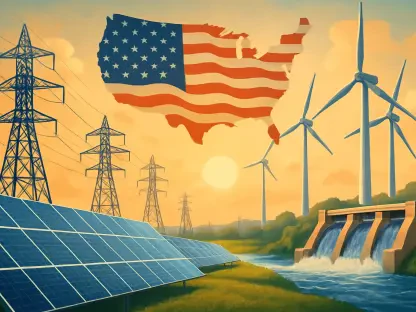
The Climate Leadership and Community Protection Act (CLCPA) was originally designed to be a national blueprint for environmental reform, legally binding the state to hit 70% renewable energy and a 40% reduction in greenhouse gas emissions by 2030. These are not merely arbitrary numbers or suggestions; they represent a fundamental restructuring of New York’s power grid and its entire economy. However, as the deadline approaches, the gap between these mandates and the current progress has widened significantly. This disconnect has created a unique tension that threatens to disrupt state budgets, utility bills, and the overall reliability of the energy grid itself.
The mandates were created during a period of relative economic stability, but the world has changed since their inception. The legal requirements of the CLCPA place a heavy burden on state agencies to deliver results that are increasingly difficult to procure in a competitive global market. Failure to meet these goals could lead to legal challenges or a forced reliance on older, dirtier energy sources to prevent blackouts. As such, the stakes involve more than just environmental statistics; they involve the underlying infrastructure that supports every home and business in the state.
The Perfect Storm: Barriers to Green Energy Implementation
The economic landscape has shifted dramatically since the CLCPA’s inception, with post-pandemic supply chain disruptions and persistent inflation driving up the costs of raw materials and labor for green infrastructure. These macro-economic headwinds have made the procurement of essential components, such as specialized steel and semiconductors, both expensive and unpredictable. Projects that were once considered financially sound now require significantly more capital to break ground, leaving developers and state planners in a difficult position. This global volatility has essentially rewrote the rulebook for energy development.
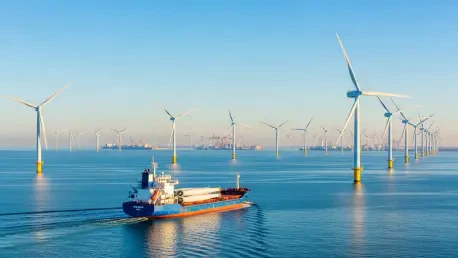
Furthermore, the offshore wind industry, which was once the crown jewel of the state’s renewable strategy, has faced severe financial turbulence. Major projects have stalled or required massive contract renegotiations just to remain viable in the face of rising interest rates. Compounding these issues is the “home rule” bottleneck, where deep-seated traditions of local governance allow municipalities to block large-scale solar arrays and battery storage sites. This fragmented development landscape creates a patchwork of progress that hinders statewide goals. Additionally, inconsistent support from federal administrations has left the state to shoulder the administrative and financial burdens largely on its own.
Expert Perspectives and the Debate Over Public Burden
A recent memo from the New York State Energy Research and Development Authority (NYSERDA) sparked intense debate by projecting that reaching the 2030 targets could cost certain upstate families over $4,000 annually. This projection led to immediate accusations that the climate transition is being funded on the backs of the working class. For many residents, the abstract benefit of a carbon-free future is being overshadowed by the concrete reality of rising utility bills and heating costs. This financial friction has become a central point of contention in the halls of the state capitol.
The debate has split along familiar ideological lines, with conservative lawmakers viewing these rising costs as proof of the law’s inherent flaws. In contrast, progressive advocates argue that the figures are inflated and that the high cost of living is actually tied to the state’s continued reliance on aging fossil fuel infrastructure. Governor Hochul has pivoted toward a strategy of pragmatism, emphasizing that her primary duty is to prevent financial “pain” for constituents. She has increasingly focused on “realities over hypotheticals,” signaling that the immediate economic well-being of New Yorkers may take precedence over strict adherence to original carbon reduction timelines.
Strategies for a Recalibrated Energy Future
To address these challenges, the executive branch is moving toward using the legislative budget process as a tool to adjust CLCPA targets, allowing for a more fluid approach to timeline management. This strategy provides the flexibility needed to respond to market shifts without abandoning the state’s core environmental mission. By diversifying the zero-emission portfolio, the state is also shifting focus toward expanding its nuclear energy fleet. The goal of achieving an 8-GW capacity aims to provide a stable, zero-emission baseline that can compensate for the slower-than-expected rollout of wind and solar projects.
Planners identified that balancing grid reliability with decarbonization was the most critical hurdle to overcome in the transition. They prioritized “grid firming” measures to ensure that the energy supply remained consistent even as older plants were phased out. State leaders recognized that a slow, stable transition was preferable to a rapid, unstable one that could lead to widespread outages. Lawmakers sought to mitigate direct consumer impact by developing new strategies to phase in mandates more slowly, specifically to avoid sudden spikes in heating and transportation costs for residents. By the end of the planning session, the state had essentially adopted a more diversified and realistic approach to its energy future, ensuring that progress continued without compromising the economic security of its citizens. This recalibration established a new framework that integrated nuclear power and grid stability as essential pillars of the state’s long-term environmental strategy.