
Christopher Hailstone is a veteran in the utility sector with a deep understanding of how electrons move across the continent. With years of experience managing grid reliability, he has watched the energy landscape shift from fossil fuel dominance to a rapidly diversifying portfolio. Today, as data centers sprout across the American landscape, he provides a crucial perspective on how our infrastructure is keeping pace with an insatiable appetite for power. This conversation explores the unprecedented surge in electricity demand, the logistical hurdles of a solar-driven future, and the evolving role of traditional energy sources in maintaining a stable national grid.
The discussion centers on the geographic expansion of power needs into the Midwest and Texas, the massive 70-gigawatt solar influx, and why wind is currently taking a back seat. Christopher also sheds light on the economic shift away from natural gas and how technological innovations like microgrids are helping high-capacity users bridge the gap during interconnection delays.
How are regional grids adapting to the rapid load growth driven by economic activity and data center expansion in Texas and the Midwest, and what steps are necessary to prevent power shortages during peak periods?
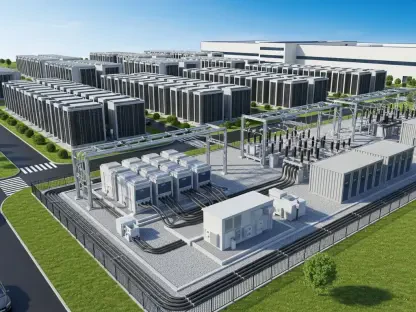
It is an incredible time to be watching the grid, as we see this massive, geographically broad shift in where power is needed. In regions like Texas and the Midwest, the sheer speed of data center expansion is forcing us to rethink traditional load forecasting from the ground up. To prevent shortages, utilities are having to accelerate their outlooks for consumption specifically because of these digital hubs that never sleep. We have seen the Energy Information Administration raise expectations for electricity use in both the Central and Midwest regions recently, signaling a sense of urgency. It is not just about building more; it is about strategically placing new generation to ensure that when the heat rises or the digital load peaks, the localized infrastructure can handle the strain without buckling under the pressure.
With solar capacity expected to jump by roughly 40% through 2027, what are the primary logistical challenges in scaling up this quickly while ensuring the grid remains stable?
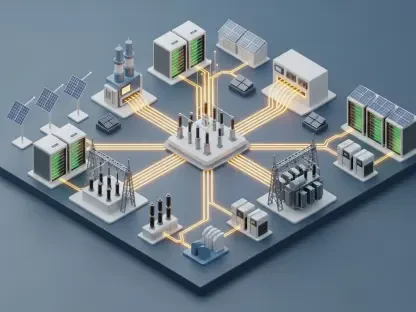
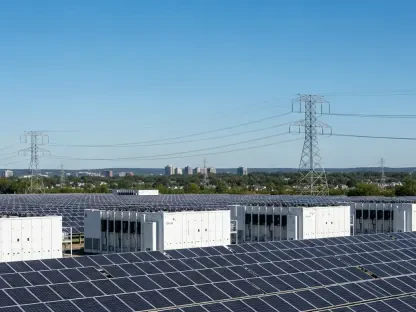
Scaling up by 70 gigawatts of new solar generating capacity in such a short window is a logistical mountain to climb for any utility provider. We are looking at a 17% increase in generation this year followed by an even more aggressive 23% jump in 2027. This represents a staggering 49% increase in U.S. solar operating capacity in just two years compared to where we stood at the end of 2025. Ensuring stability means we must integrate these hundreds of thousands of panels in a way that balances their variable nature with the constant, high-pressure demand from our industrial consumers. It requires a delicate orchestration of transmission upgrades and real-time monitoring to ensure that the surge in clean energy doesn’t overwhelm the existing wires during peak production hours.
Why is the development pace for wind currently lagging behind solar, and what strategies can be used to balance these two variable sources to maintain a consistent supply?
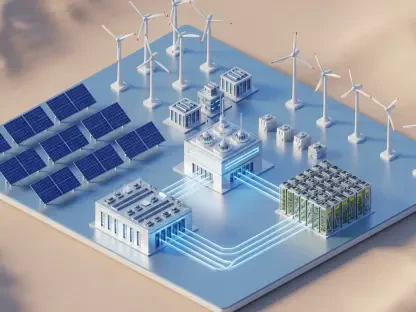
While wind is still growing at a respectable 6% this year and 7% next year, it simply isn’t sprinting at the same breakneck speed as solar. Solar has become the fastest-growing source of electricity in the nation because it can be deployed with a level of modularity and speed that wind projects, with their massive turbines and complex siting requirements, often lack. To maintain a consistent supply, we have to treat these sources as a complementary team, using the steady 7% growth in wind to provide power during the hours when the sun isn’t shining. The strategy involves a sophisticated dance of geography, ensuring that we utilize the different peak production times of each resource to create a smoother, more reliable generation profile. It’s about building a diverse portfolio where the “lagging” wind still plays a vital role in the overall reliability of the system.
New solar installations recently totaled over 25 gigawatts, vastly outpacing new natural gas and wind. What are the economic implications of this shift, and how do you see the role of natural gas changing?
The economic gravity of the market is shifting rapidly, evidenced by the fact that we saw 25.4 gigawatts of new solar additions while natural gas only brought about 4 gigawatts to the table in a recent eleven-month period. This tells us that developers are voting with their capital, favoring the plummeting costs and rapid deployment of solar over traditional thermal plants. Natural gas is transitioning into a supporting role, acting as a critical insurance policy for the grid rather than the primary driver of new capacity. Even though gas installations more than doubled in the previous year, the sheer volume of solar—outpacing gas and wind combined—is fundamentally rewriting the utility business model. Gas will likely remain essential for reliability, but it is no longer the first choice for meeting the massive new demand coming from the industrial sector.
As U.S. solar generation reaches 418 billion kilowatt-hours by 2027, what advancements in battery storage or microgrid technology are required to manage this volume, and how can data centers use these tools?
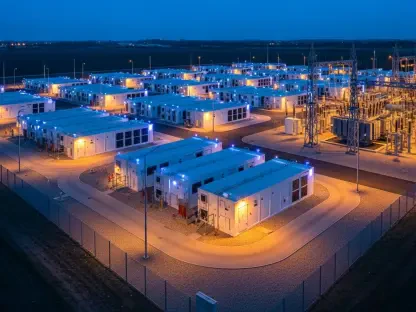
We are moving toward a staggering 418 billion kilowatt-hours of annual solar generation by 2027, which is a massive leap from the 291 billion we saw back in 2025. This volume of electricity requires a sophisticated reservoir system, and that’s where batteries and microgrids become non-negotiable for large-scale users like data centers. Many of these facilities are finding that they cannot wait for traditional, lengthy interconnection timelines, so they are tapping into on-site batteries and microgrid technology to get up and running faster. It is a pragmatic, “behind-the-meter” solution to a bottleneck problem, allowing these high-energy facilities to bridge the gap while the broader grid infrastructure catches up to our new 341 billion kilowatt-hour reality this year. By utilizing these tools, data centers can mitigate the risks of localized shortages and maintain their 24/7 uptime requirements regardless of grid congestion.
What is your forecast for the U.S. energy mix?
My forecast is that we are entering an era of “Solar Dominance” where the sun becomes the primary architect of our energy future through the end of the decade. By 2027, our operating capacity will have expanded so significantly—by nearly 50% in just two years—that the traditional hierarchy of coal and gas will feel like a fading memory in the new projects pipeline. We will see a grid that is much more decentralized, where the 418 billion kilowatt-hours of solar are supported by a resilient, albeit slower-growing, wind sector and a natural gas fleet that specializes in flexibility rather than baseload. It is a transition that requires nerves of steel and immense technical coordination from grid operators, but the data shows we are already well on our way toward a cleaner, more complex, and ultimately more robust energy ecosystem. This shift will be defined by how well we can store the midday sun to power the midnight data demands of the new economy.