
With decades of experience in energy management and grid security, Christopher Hailstone is a leading voice on the future of renewable electricity. He joins us today to discuss a groundbreaking new energy blueprint for Tajikistan’s remote VMKB province, a region at the forefront of sustainable development. This 25-year Power System Plan, developed by the Hydropower Sustainability Alliance in partnership with Pamir Energy, offers a compelling vision for a low-carbon future. Our conversation will explore how innovative tools are shaping responsible project selection, why a diversified energy mix is crucial for resilience, and what this ambitious plan means for the long-term economic and social fabric of the communities it serves.
The new Power System Plan introduces tools like HydroSelect and the Hydropower Sustainability Standard. Can you walk us through how these practically guide site selection and ensure future projects meet ESG requirements, perhaps providing a step-by-step example?
It’s a really transformative approach, moving sustainability from an afterthought to the very core of planning. You can think of it as a two-stage gatekeeping process. First, HydroSelect acts as a powerful screening tool. Instead of just looking at technical viability, it allows planners to conduct transparent, early-stage comparisons of multiple potential sites, weighing their environmental and social impacts right from the beginning. Once that tool helps identify the most promising, lowest-impact location, the Hydropower Sustainability Standard, or HSS, comes into play. This isn’t just a checklist; it’s a comprehensive framework that guides the entire project lifecycle, ensuring it meets clear, credible ESG requirements from design through operation. We saw this applied with the Sebzor Hydropower Project in this very region, which became the world’s first to be certified under the HSS, setting a powerful precedent.
The plan’s preferred scenario combines hydropower with solar PV and pumped storage. What specific challenges in the VMKB region led to this diversified mix, and what metrics showed it was more sustainable and resilient than the other development scenarios evaluated?
The primary driver is the changing nature of demand in the VMKB region. The incredible success of achieving universal access to power has created new, positive challenges. We’re seeing a significant shift as households increasingly adopt electric heating and transport. This creates demand peaks and seasonal loads that a single-source system, even a robust hydropower one, would struggle to meet efficiently and affordably. The plan evaluated four different scenarios, and the Diversified Renewables pathway emerged as the clear winner. By combining the steady, reliable output of conventional run-of-river hydropower with solar PV, which can generate significant power during peak daylight hours, you create a more balanced system. Adding pumped storage provides the critical ability to store excess energy and release it when demand is highest, ensuring grid stability. This combination was identified as the most sustainable and resilient because it minimizes environmental impact, keeps costs low, and builds a system that can adapt to both climate shifts and evolving community needs.
Building on Pamir Energy’s success in achieving universal access, how does this new plan specifically address the rising demand from electric heating and transport? Could you detail the planned expansion of run-of-river schemes and new solar PV installations?
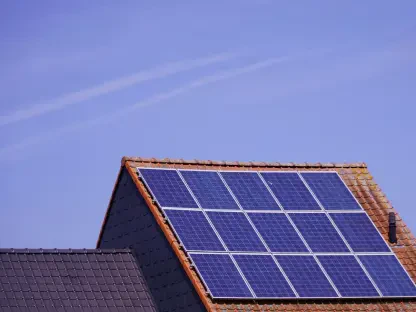
Pamir Energy’s work over the last 25 years was truly remarkable; they took a degraded, unreliable system and transformed it into one with universal, affordable access. This new plan is the logical next chapter. It’s about moving from restoration to future-proofing. To meet the new, higher demand baseline, the plan outlines a very deliberate expansion. It calls for developing new run-of-river hydropower schemes, which are generally smaller and have a lighter environmental footprint than large dam projects, providing consistent baseload power. Crucially, it pairs this with a significant expansion of solar PV. This diversification is key. Solar installations can be deployed in different locations, complementing the hydropower resources and adding a different generation profile to the grid. It’s a strategic shift from relying on a single technology to building a more complex, interwoven, and ultimately more resilient energy ecosystem.
Minister Daler Juma highlighted the plan’s support for regional development and climate resilience. Beyond reliable electricity, what are some tangible, long-term economic and social benefits this plan aims to deliver for the communities within the VMKB province?
That’s really the heart of the matter. This plan isn’t just about keeping the lights on; it’s an engine for holistic regional development. When you have secure, affordable, and clean energy, you create a foundation for economic growth. Local businesses can operate more reliably, new enterprises can emerge, and the entire region becomes more attractive for investment. Socially, it means homes can be heated cleanly and affordably, improving public health. It enables the transition to electric transport, which reduces air pollution and reliance on imported fuels. By building this system with climate resilience in mind, the plan ensures that these benefits are durable. It provides the energy security necessary to support a thriving, modern society, ultimately empowering communities to build a more prosperous and sustainable future for themselves.
The plan requires ongoing review every five years. Can you describe the process for modeling storage needs and identifying new sites? What key performance indicators will you track to ensure the plan remains aligned with evolving local conditions and new technologies?
This adaptive approach is one of the plan’s greatest strengths. It’s not a static document set in stone. Every five years, there will be a comprehensive review to ensure it remains relevant. A major part of this process involves sophisticated modeling of the region’s storage needs. As more people adopt electric vehicles or heating, the demand patterns will change, and the model will help determine if more pumped storage or other solutions are needed to maintain grid stability. At the same time, the process will involve a continuous search for new, suitable locations for both hydropower and solar PV, using tools like HydroSelect to ensure we always pick the best, lowest-impact options. Key performance indicators will go beyond simple generation capacity. We’ll be tracking metrics like energy affordability, grid uptime, the rate of adoption of new technologies by consumers, and, of course, the environmental and social performance of all new projects against the HSS. This creates a feedback loop that keeps the plan sharp, responsive, and effective over the long term.
What is your forecast for the energy landscape in VMKB by 2050, assuming this Power System Plan is successfully implemented?
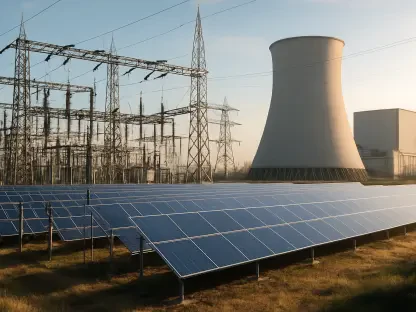
If this plan is brought to fruition, the VMKB province in 2050 will be a global showcase for sustainable regional development. I envision an energy system that is not just clean, but intelligent and deeply resilient. You would see a landscape dotted with efficient run-of-river hydro projects and strategically placed solar arrays, all seamlessly integrated. The critical element of pumped storage will act as the system’s battery, ensuring that the power generated from the sun and rivers is available 24/7, smoothly meeting the demands of a population that has fully embraced electric heating and transportation. This won’t just be a system that provides power; it will be the backbone of a thriving, climate-resilient economy and a testament to how long-term vision and a commitment to sustainability can transform a region’s future.