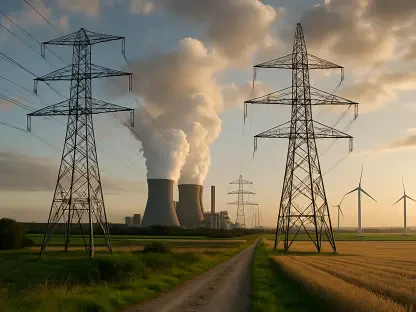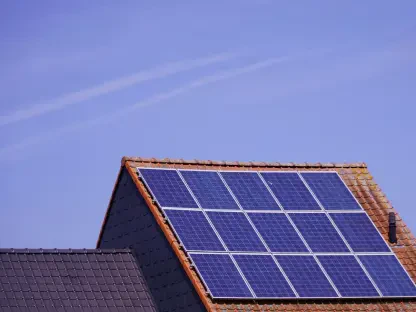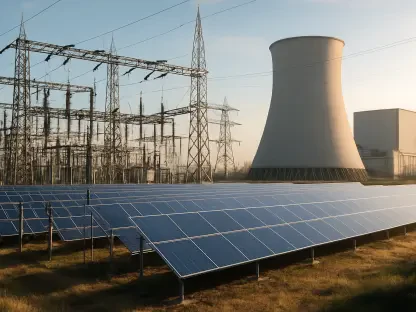

In a region long defined by its vast hydrocarbon reserves, Kazakhstan is quietly engineering a profound energy transformation, demonstrating a strategic pivot toward sustainability that is setting a new benchmark for Central Asia. The nation has cultivated a steady, institutionally-driven expansion of its green energy sector, distinguishing itself not through sheer volume but through a remarkably stable and market-oriented framework. This methodical approach has yielded significant results, with renewable energy sources (RES) accounting for 7% of the country’s total electricity generation by the close of 2025, a notable increase from the previous year. This progress, underpinned by a clear long-term vision, signals a deliberate shift in the energy paradigm of a nation traditionally reliant on fossil fuels, positioning it as a key player in the global transition to cleaner power.
A Structured Approach to Sustainable Growth
The Institutional Framework for Success
Kazakhstan’s advancement in the renewable energy sphere is fundamentally rooted in its transparent, auction-based model for project selection, a mechanism that has become the cornerstone of its green energy policy. This market-oriented strategy fosters a competitive environment where project viability and efficiency are paramount, ensuring that only the most robust and economically sound initiatives are brought to fruition. The effectiveness of this approach was demonstrated with the launch of nine new renewable energy facilities recently, which collectively added 503 MW of capacity to the national grid. The country’s renewable infrastructure now comprises a diverse portfolio of 162 facilities, including 67 wind farms, 49 solar power plants, and 43 hydropower stations, culminating in a total installed capacity of approximately 3.5 GW. This deliberate, institutionally-driven growth contrasts sharply with more volatile development models, providing a secure and predictable landscape for developers and investors alike and building a resilient foundation for future expansion.
Attracting Global Investment and Expertise
The market-driven framework has proven to be a powerful magnet for significant private and international investment, transforming Kazakhstan into an attractive destination for global energy leaders. The transparency and predictability of the auction system have cultivated a high degree of investor confidence, drawing in major industry players such as Total Eren, Masdar, and a host of prominent Chinese energy corporations. This influx of foreign capital is about more than just funding; it brings with it cutting-edge technology, operational expertise, and international best practices that are vital for elevating the domestic sector. By creating a competitive and stable investment climate, Kazakhstan has successfully leveraged global partnerships to strengthen its financial and technological base. This strategic engagement not only accelerates the development of individual projects but also fosters a sustainable ecosystem for innovation and long-term growth, ensuring the nation’s green energy ambitions are backed by world-class capabilities and financial resilience.
Navigating the Regional Energy Landscape
A Comparative Regional Analysis
Within the broader Central Asian context, Kazakhstan occupies a unique intermediate position, characterized by balanced and stable market development. This contrasts with Uzbekistan, which is often viewed as the region’s most dynamic market due to its rapid growth in large-scale solar and wind projects. However, Uzbekistan’s development largely depends on state-structured contracts, which can lack the competitive rigor and long-term market stability fostered by Kazakhstan’s auction system. On another end of the spectrum, Kyrgyzstan and Tajikistan boast the highest renewable energy shares in the region, with figures reaching 80-90%. Yet, this impressive statistic is almost exclusively attributable to their heavy dependence on legacy hydropower infrastructure. This over-reliance makes their energy systems highly vulnerable to climate-related fluctuations, such as droughts and changing water levels, posing significant risks to their energy security. Meanwhile, Turkmenistan remains a regional outlier, with its energy sector almost entirely dependent on its vast natural gas reserves, showing minimal progress in diversifying its energy mix.
Charting a Resilient Path Forward
While Kazakhstan’s current renewable energy share may appear modest compared to some of its neighbors, the country’s structured and competitive framework provides a far more resilient foundation for achieving its ambitious long-term goals. The government has set clear targets to increase the share of renewables to 15% by 2030 and a remarkable 50% by 2050. These objectives are considered highly feasible not because of rapid, short-term capacity additions, but because of the stable institutional environment that has been carefully constructed. The emphasis on market competition, coupled with strong international participation, ensures that growth is both sustainable and economically sound. Unlike regional models that prioritize speed or rely on a single technology, Kazakhstan’s strategy balances diverse energy sources and mitigates risks associated with climate vulnerability and market volatility. This deliberate, methodical approach is what truly sets the country apart, providing a clear and reliable roadmap for transforming its energy landscape over the coming decades.
An Outlook on Central Asia’s Green Future
Kazakhstan’s strategic journey in renewable energy ultimately demonstrated that a methodical, market-driven approach offered a more durable path to sustainability than either rapid, state-controlled expansion or a deep-seated reliance on a single renewable source. This balanced strategy not only cultivated significant international confidence and investment but also established a replicable and resilient model for sustainable development in a region historically dominated by hydrocarbons. The country’s success was not measured merely by the megawatts it added to the grid, but by the robust institutional and financial foundation it built, which promised to support its green ambitions for decades to come.