
The Dawn of a Decentralized Energy Era in the Caribbean
The transformation of an entire island’s power structure from a failing relic of the twentieth century into a sophisticated, decentralized network is currently unfolding across Puerto Rico with unprecedented speed. Recent data from the Energy Information Administration reveals a historic milestone where rooftop solar has surged to become the territory’s second-largest source of electricity generation. This evolution marks a departure from traditional utility models, placing the power of generation directly into the hands of residents who were once at the mercy of a fragile central grid. By analyzing this shift, we can see how a combination of grassroots necessity, technological innovation, and strategic battery integration has turned a territory once defined by outages into a global blueprint for renewable adoption.
From the Ruins of Maria to a Renewable Revolution
The catalyst for this radical energy shift was not a policy mandate or a corporate initiative, but a profound climate catastrophe that reshaped the collective consciousness of the island. In 2017, Hurricane Maria decimated the aging electrical infrastructure, leaving some communities without power for nearly a year and exposing the inherent vulnerabilities of a centralized grid dependent on imported fossil fuels. In the subsequent years, a fundamental shift in consumer behavior emerged; solar energy ceased to be viewed as a luxury or an environmental statement and became a critical tool for survival. This historical trauma fostered a culture of prosumerism, where households and businesses prioritized self-sufficiency to ensure they would never again be left in the dark by a failing utility system.
The Statistical Surge and the Power of Residential Storage
Quantifying the Rapid Expansion of Rooftop Capacity
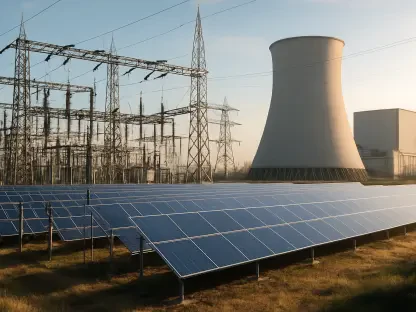
The scale of solar adoption on the island is staggering, maintaining an installation pace that rivals much larger continental jurisdictions. By the start of this year, the total number of rooftop solar systems reached nearly 192,000, bringing the distributed capacity to approximately 1.5 gigawatts. This surge has allowed solar to surpass natural gas in the local energy mix, trailing only petroleum liquids in total output. The sheer volume of these installations, which averages over 3,800 new systems every month, demonstrates a consistent and aggressive transition toward a decentralized landscape that is increasingly independent of the traditional power plant model.
The Critical Role of Integrated Battery Systems
A unique characteristic of the Puerto Rican model is the near-universal pairing of solar panels with advanced energy storage solutions. Unlike many other regions where solar is fed back into the grid without a local buffer, roughly 90% of the island’s installations include distributed battery systems. With over 2,800 megawatt-hours of collective storage capacity, these batteries act as a vital insurance policy against grid instability and localized failures. This massive reservoir of stored energy allows homeowners to maintain power during outages and provides a decentralized cushion that can support the wider grid during periods of peak demand or unexpected supply shortages.
Aggregating Resources through Virtual Power Plants
To manage this vast network of private energy assets, grid operators have turned to disruptive innovations like Virtual Power Plants. Through initiatives such as the Customer Battery Energy Sharing program, operators can aggregate thousands of individual home batteries into a single, controllable resource that functions like a traditional power station. By collaborating with private sector partners, the island can tap into residential reserves to stabilize frequency and prevent rolling blackouts during high-stress events. This sophisticated methodology effectively turns private investments into public benefits, showcasing how decentralized hardware can be harmonized with centralized management software.
Navigating Political Friction and Infrastructure Challenges
As Puerto Rico solidifies its position as a solar leader, the path forward is complicated by shifting political landscapes and financial hurdles. The recent cancellation of $300 million in federal solar funding highlights a growing tension between local progress and federal oversight regarding the speed of decentralization. While the local grid operator views distributed solar as a primary tool for stabilization, some federal authorities have expressed concerns that rapid deployment could introduce technical fragility into the existing, older infrastructure. These conflicting perspectives suggest that the next phase of the energy transition will require not just more hardware, but a more robust regulatory framework to manage the economic and technical fluctuations inherent in a high-density renewable grid.
Strategies for Sustaining Resilience and Grid Harmony
For the territory to maintain its momentum, it must bridge the gap between grassroots adoption and institutional support through targeted modernization. Actionable strategies include the continued expansion of battery-sharing programs to ensure that every household unit can contribute to collective stability. Furthermore, local policymakers should prioritize the modernization of last-mile distribution lines to better handle two-way power flows and prevent local surges. For consumers and businesses, the focus must remain on optimizing energy efficiency alongside generation, ensuring that the transition to solar is as cost-effective as it is reliable for the long term. These best practices will be essential for other island nations looking to replicate this success in the face of increasing climate uncertainty.
A Global Case Study in Energy Independence
The rise of Puerto Rico as a leader in rooftop solar and storage served as a testament to the power of decentralized resilience in the modern age. By integrating nearly 200,000 solar-plus-storage systems, the island built a buffer against the failures of the past while charting a course for a cleaner, more reliable future. While political and financial hurdles remained, the foundation of a self-sustaining energy ecosystem was firmly established through local investment. Puerto Rico provided a compelling reminder that when centralized systems failed, the most effective solutions were often found on the rooftops of the very people they were meant to serve. This transformation was no longer just a local success story; it became a global roadmap for the renewable transition.