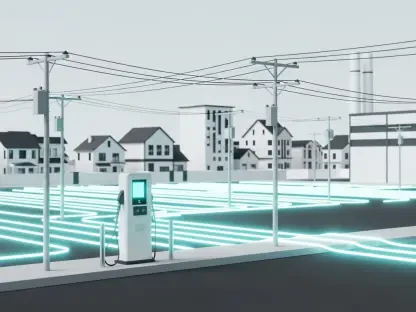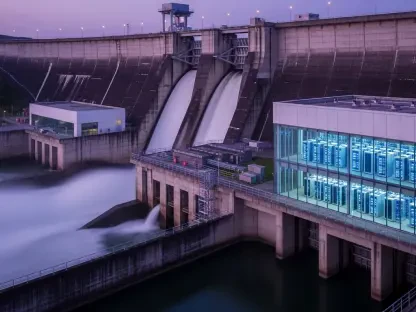

The rapid acceleration of artificial intelligence development and the subsequent expansion of massive data center campuses across the United States have created an unprecedented strain on the national power grid that existing infrastructure is struggling to support effectively. As these facilities transition into a period of sustained high-intensity operations, the requirement for constant, carbon-free electricity becomes a matter of national economic security and technological sovereignty. While wind and solar installations continue to grow at record rates, their inherent intermittency presents a significant hurdle for data centers that demand unwavering uptime. Pumped storage hydropower emerges as the most viable solution to this energy gap, currently accounting for nearly 90% of the nation’s energy storage capacity. Unlike short-duration batteries that struggle beyond four hours, these water-based systems offer over eight hours of continuous discharge, ensuring that the digital backbone remains functional.
Regulatory Bottlenecks: The Pipeline Challenge
Significant hurdles remained despite the technical advantages of using large-scale reservoirs for energy management within the evolving power landscape. Currently, the regulatory pipeline contains 60,000 megawatts of proposed capacity, mostly in the Western United States, yet the rate of ground-breaking remains low. This stagnation stemmed from antiquated licensing processes and market structures that failed to recognize the long-term value of high-capacity storage. Developers faced decade-long permitting cycles that discouraged the private investment necessary for such capital-intensive projects. Furthermore, wholesale markets often prioritized short-term frequency regulation over the long-duration stability that pumped storage provides. Without a shift in how these assets were compensated for reliability and grid-balancing, the transition from proposed plans to operational facilities stalled. This mismatch between data center construction and hydro development threatened to create an energy deficit that could have forced tech giants to look elsewhere for future growth.
Policy Reform: Financing the Future
Bridging the gap between infrastructure and power requirements necessitated a series of federal interventions and modernizations of the Federal Power Act. Policymakers recognized that streamlining the path for new construction was the only way to safeguard the digital economy while meeting climate goals. Bipartisan tax incentives and Department of Energy loan guarantees became critical tools for mitigating financial risks associated with these “closed-loop” systems. By reforming wholesale market designs, authorities ensured that long-duration storage was valued for its unique ability to provide stability during extreme weather and peak demand. This evolution in policy allowed the industry to utilize vast untapped potential for projects that supported American innovation. Stakeholders moved toward a model where energy storage was treated as foundational infrastructure rather than a secondary consideration. These coordinated efforts eventually secured a reliable energy mix that satisfied the voracious appetite of the modern digital landscape through 2030.