
For Australian homeowners, 2026 represents a critical turning point in the nation’s ambitious journey toward a renewable energy future, bringing with it a series of significant policy shifts that directly impact the financial viability of residential solar and battery installations. These evolving incentives and market dynamics create a landscape of both urgency and opportunity, compelling property owners to act decisively to secure long-term energy savings and enhance their independence. The changes underway are not merely administrative adjustments; they are fundamentally reshaping the domestic energy sector, elevating the role of the homeowner from a passive electricity consumer to an essential contributor to a more resilient and sustainable national power grid. Understanding the nuances of these new regulations is paramount for anyone considering an investment in clean energy technology this year.
The Evolving National Power Grid
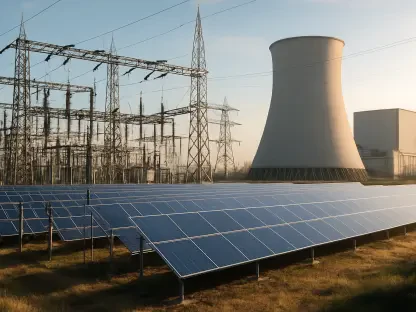
Australia’s energy sector is in the midst of a profound and rapid transformation, a shift driven by the scheduled retirement of traditional coal-fired power stations and the large-scale expansion of wind and solar projects. According to projections from the Australian Energy Market Operator (AEMO), renewable sources are on track to supply nearly half of the country’s total electricity in 2026. This transition is fostering a more dynamic and complex energy market where decentralized, household-level contributions are no longer just supplementary but are becoming structurally integral to the system. Rooftop solar arrays and home batteries are now viewed as crucial components for maintaining grid stability and reliability, effectively evolving into core elements of the national energy infrastructure. This strategic pivot is aimed at creating a lower-cost and more dependable power system for all citizens, but the interim period is characterized by significant changes that homeowners must successfully navigate to realize the full benefits.
Navigating Key Incentive Adjustments This Year
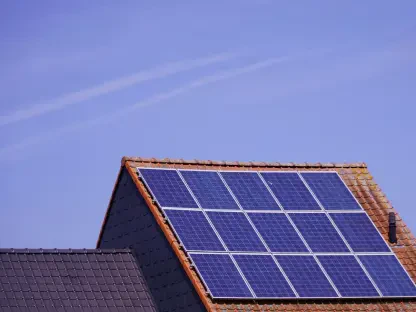
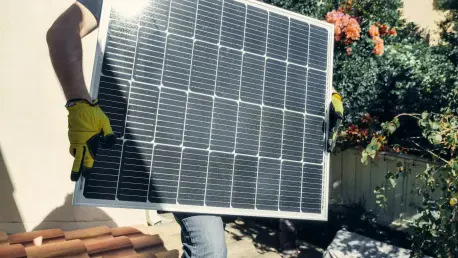
One of the most immediate and financially impactful changes for homeowners is the scheduled reduction of the federal solar rebate under the Small-scale Renewable Energy Scheme (SRES). This crucial incentive, which has made solar power accessible to hundreds of thousands of Australians, is designed to phase out by 2030. As of January 1, 2026, the “deeming period” for Small-scale Technology Certificates (STCs)—the mechanism providing the upfront discount—decreased from six years to five. This seemingly technical alteration has a direct and significant consequence for consumers, effectively reducing the point-of-sale discount on a new solar panel system by an estimated 15 to 20 percent. This policy structure was intentionally designed to encourage early adoption, meaning that any further delay in installation will result in a smaller available rebate and a consequently longer payback period for the investment, making immediate action more critical than ever for maximizing savings.
In parallel with the modifications to solar incentives, federal support for home energy storage is undergoing a major overhaul with a massive $7.2 billion expansion of the Cheaper Home Batteries Program. A significant change to the program’s structure is taking effect on May 1, 2026, which moves away from a uniform, one-size-fits-all rebate to a more nuanced tiered system based on battery capacity. This strategic shift is aimed at “right-sizing” home energy storage to better support overall grid stability. Under the new rules, smaller batteries, which are typically sufficient for the average household’s daily needs, will receive a higher percentage discount. Conversely, very large, high-capacity systems will see their financial support reduced. The underlying rationale is to promote wider and more equitable access to energy storage, enabling a greater number of families to participate in the renewable transition rather than concentrating subsidies on a smaller number of large-scale residential installations.
From Consumer to Active Energy Participant
This year is also a landmark for the proliferation of Virtual Power Plants (VPPs), which are sophisticated networks that digitally aggregate thousands of individual home batteries, allowing them to be managed and dispatched as a single, large-scale power plant. By joining a VPP, homeowners can unlock a new revenue stream by allowing the VPP operator to discharge their stored energy back to the grid during periods of high demand or grid stress. This action helps to stabilize the power supply, prevent blackouts, and reduce the overall cost of electricity for the entire community. It is projected that by the end of 2026, participation in a VPP may become a standard prerequisite for accessing various local and state-level energy incentives. This growing trend positions homeowners with batteries not merely as energy-independent entities but as active market participants who can earn credits on their bills while directly facilitating the nation’s critical shift away from fossil fuels and toward a more distributed, reliable energy network.
A Retrospective on Timely Action
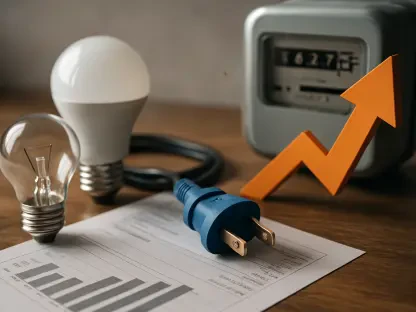
While the long-term objective of Australia’s renewable energy transition was to deliver lower-cost power, the path was expected to be volatile. The substantial costs associated with upgrading the national grid to accommodate a new generation of renewables were frequently passed on to consumers through fluctuating retail electricity prices. In this environment, households that invested in self-generation through rooftop solar and battery storage found themselves effectively insulated from these market spikes. The strategic decision to produce their own electricity proved to be the most effective method for achieving greater control over energy costs and securing budgetary predictability. The foresight to invest in solar and energy efficiency measures ahead of the most significant grid stabilization efforts protected these early adopters from price volatility, a benefit that underscored the value of acting decisively. Their experience confirmed that timely preparation for Australia’s clean energy future was the surest way to maximize savings and achieve lasting energy independence.