
The global renewable energy landscape underwent a profound transformation throughout the previous year as the financial mechanisms driving solar and storage projects decoupled from broader corporate investment trends. While total corporate funding for solar and energy storage companies experienced a noticeable cooling, contracting by 16 percent and 19 percent respectively, the pace of mergers and acquisitions accelerated with surprising vigor. This shift indicates a market that is maturing beyond speculative venture-backed growth into a phase defined by tactical consolidation and the acquisition of tangible, ready-to-build assets. The appetite for these technologies remains robust, yet the method of deployment has shifted toward securing infrastructure rather than equity in nascent startups. As artificial intelligence and the expansion of massive data centers continue to place unprecedented demands on the electrical grid, the urgency to bring reliable power generation online has surpassed the desire for long-term venture risks. This transition suggests that investors are now prioritizing immediate operational capacity to meet the soaring electricity needs of the modern digital economy.
Strategic Realignment: The Rise of Project Acquisitions
The solar industry specifically witnessed a 22 percent drop in venture capital and private equity funding, yet the volume of merger and acquisition deals rose by 17 percent during the same period. This paradox is largely explained by a decrease in company valuations, which has created highly attractive entry points for strategic buyers and institutional investors looking to expand their portfolios. Instead of pouring capital into corporate overhead or unproven technological platforms, the market saw a shift toward ninety-six distinct transactions compared to the eighty-two recorded in the prior year. Investors are increasingly viewing solar projects as high-value commodities rather than speculative tech plays, focusing on the underlying cash flows generated by energy production. This trend reflects a broader industry stabilization where the primary objective is no longer just innovation, but the efficient scaling of existing solar deployments. Consequently, the capital that was once reserved for equity rounds is being redirected toward the direct purchase of operational assets.
Furthermore, the demand for low-risk, late-stage solar projects has reached a fever pitch as developers seek to bypass the uncertainties associated with early-stage permitting and interconnection. This preference for “shovel-ready” projects has turned the merger and acquisition space into a competitive arena where established players are absorbing smaller regional developers to consolidate land rights and grid positions. By acquiring projects that are near completion, large-scale energy providers can ensure a steady pipeline of renewable power to satisfy corporate power purchase agreements. This strategy is particularly effective in an environment where interest rates and supply chain fluctuations make long-term project development more difficult to predict. The shift toward late-stage acquisitions also serves as a defensive move for many firms, allowing them to secure market share while waiting for broader economic conditions to stabilize. This tactical focus on execution over experimentation marks a new era for solar energy, where the ability to deliver megawatts quickly is the most valuable metric for success.
Grid Modernization: Sustaining Demand Through Infrastructure
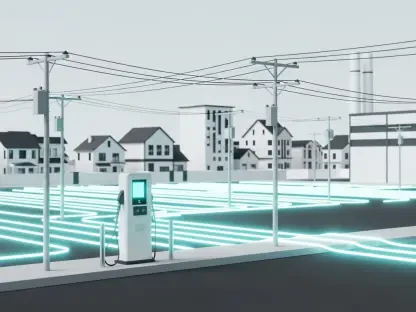
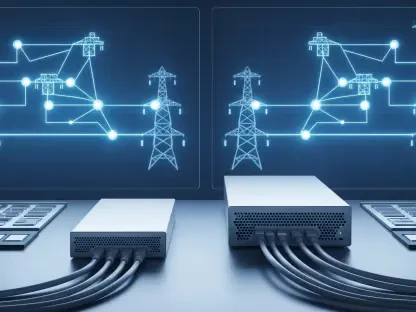
While the broader funding environment for solar and storage faced headwinds, the smart grid technology sector bucked the downward trend by securing a 38 percent increase in total investment. This surge in capital reflects a growing consensus among institutional investors that existing electrical infrastructure must be modernized to handle the intermittent nature of renewables and the massive loads required by artificial intelligence. The growth of data centers is no longer just a digital trend; it is a physical reality that requires a more resilient and flexible grid capable of balancing supply and demand in real time. Investors are recognizing that without significant upgrades to transmission lines and digital management systems, the proliferation of solar and storage cannot reach its full potential. This has led to a flurry of investment in companies specializing in grid software, advanced metering, and distributed energy resource management. The focus is clearly on the connective tissue of the energy system, ensuring that the power generated by new solar farms can actually reach the end consumers.
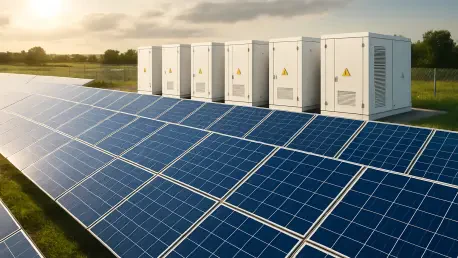
The energy storage sector followed a similar narrative, where despite a lack of massive one-off corporate funding deals, the number of project acquisitions nearly doubled from thirty-eight to sixty-five. This spike in activity highlights the essential role that battery storage plays in providing firm capacity and grid stability as more coal and gas plants are retired. Rather than focusing on unproven battery chemistries, the market has pivoted toward acquiring large-scale lithium-ion projects that are ready for immediate integration into the wholesale power market. This move toward project-level acquisition allows companies to bypass the risks associated with manufacturing and instead focus on the high-margin business of energy arbitrage and ancillary services. As regional markets like California and Texas face potential saturation, the ability to strategically place storage assets near high-demand centers has become a primary driver for deal-making. The storage market is moving toward a more mature operational phase where the integration of physical hardware with sophisticated market-bidding software is the key to maintaining long-term profitability.
Supply Chain Realities: Adapting to New Regulatory Frameworks
The transition toward domestic supply chains became a central theme for the industry as new foreign entity of concern regulations began to reshape how projects were sourced and financed. These rules introduced significant friction into the procurement process, forcing developers to move away from traditional low-cost suppliers toward more expensive domestic alternatives. While this transition caused some immediate financial strain and contributed to the dip in corporate funding, it also fortified the long-term investment case for projects with secured local components. Investors are now scrutinizing the origin of every panel and battery cell, as compliance with these regulations is essential for accessing federal tax credits and avoiding costly customs delays. This regulatory environment has accelerated the trend of vertical integration, where larger firms acquire domestic manufacturing capacity to ensure their project pipelines remain insulated from geopolitical volatility. The ability to navigate these complex legal requirements has become a competitive advantage, separating sophisticated developers from those reliant on older, international procurement models.
Despite the challenges posed by supply chain shifts and shifting interest rate expectations, the industry concluded the year with a sense of cautious optimism. The fundamental demand for clean electricity remained the most powerful driver for market activity, outweighing the temporary pain caused by regulatory adjustments and lower corporate valuations. Decision-makers increasingly focused on operational stability and project delivery, ensuring that the surge in mergers and acquisitions led to actual electrons hitting the grid rather than just theoretical growth. Moving forward, the industry is expected to emphasize the optimization of existing assets through advanced software and hybridized solar-plus-storage configurations. By prioritizing “de-risked” projects and resilient infrastructure, the sector laid the groundwork for a more sustainable growth model that is less dependent on venture capital and more aligned with the needs of a power-hungry economy. The focus shifted from rapid expansion at all costs to a disciplined approach that values certainty, regulatory compliance, and the immediate deployment of energy solutions.