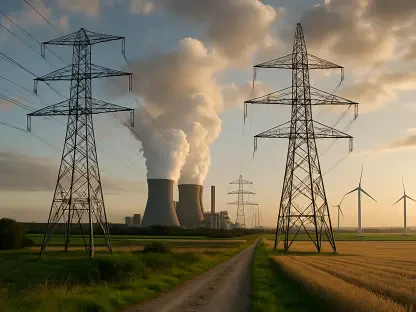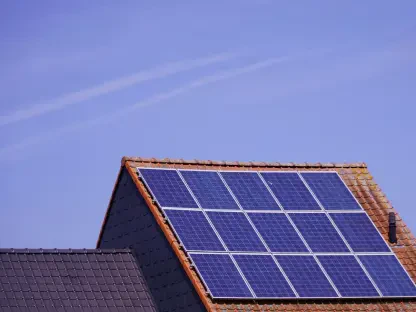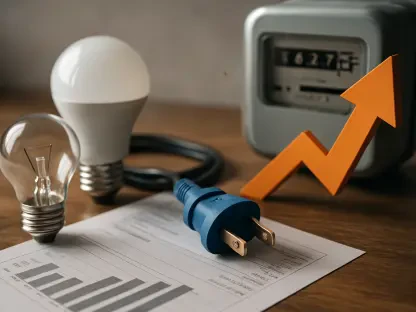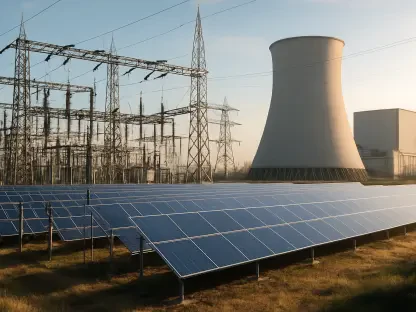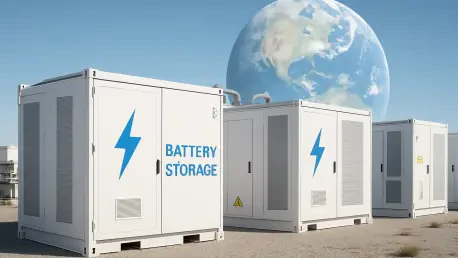

The global energy grid is undergoing its most profound transformation in a century, with massive batteries emerging as the linchpin for a stable, renewable-powered future. The market for global battery storage is experiencing an unprecedented surge, a direct response to the rapid expansion of renewable energy and the escalating need for grid stability. Battery energy storage systems (BESS) play a critical role in this transition, offering the flexibility to balance power supply and demand, thereby enhancing the reliability of our electrical infrastructure. This analysis will explore the key growth drivers, complex supply chain dynamics, evolving pricing trends, significant geopolitical influences, and the innovative strategies developers are deploying to navigate this dynamic landscape.
The Accelerating Growth of Battery Storage
The momentum behind battery storage is undeniable, fueled by a combination of falling costs, supportive policies, and the urgent, practical need to integrate variable energy sources into the grid. This growth is not just a forecast but a present-day reality, reshaping energy markets from North America to emerging economies across the globe.
Unpacking the DatMarket Expansion and Cost Reduction
The scale of this expansion is captured in recent market data. Global battery storage installations saw a remarkable 43% increase last year, and this blistering pace is set to continue. Projections from Wood Mackenzie forecast a robust 10.8% average annual growth rate through 2034, underscoring a long-term, sustained expansion. The primary driver for this demand is the worldwide shift toward intermittent renewable sources like solar and wind, which creates a fundamental need for dispatchable power that can be deployed on demand to ensure the lights stay on.
Facilitating this growth is a dramatic reduction in manufacturing costs, which have plummeted by an astounding 90% since 2010, according to the International Energy Agency (IEA). This cost decline, driven by economies of scale and technological innovation, has made battery storage an economically viable solution. As of the end of last year, analysts at Ember reported the average global project cost stood at approximately $125/kWh, a competitive figure that continues to attract investment and drive adoption.
Real-World Application and Innovative Strategies
The U.S. market serves as a powerful example of this trend in action. A confluence of rising power demand from new data centers, accelerated renewable energy roll-outs, and federal investment tax credits for standalone storage triggered a 53% jump in battery deployments in the past year. As aging fossil fuel plants are retired, battery storage offers a faster, cleaner alternative to meet the growing need for dispatchable power compared to traditional generation sources.
In response to market challenges like grid congestion, innovative developers are rethinking deployment models. Lightshift Energy, for instance, is pioneering a decentralized approach. Instead of building massive, centralized facilities, the company is developing portfolios of smaller, distribution-sited batteries at existing substations. This strategy allows for faster deployment by using existing infrastructure, effectively bypassing some of the grid interconnection bottlenecks that can delay larger projects.
Simultaneously, major industry players like Fluence are focusing on supply chain resilience by localizing production within key markets. The company is building out a comprehensive U.S. supply chain, from sourcing battery cells to manufacturing control equipment domestically. This strategic shift is designed to mitigate risks associated with geopolitical tensions and trade policy volatility, creating a more stable and reliable supply system for the North American market.
Insights from Industry Leaders
The exceptional growth in the U.S. is fueled by a perfect storm of factors, according to Robert Greskowiak, Chief Commercial Officer of Lightshift Energy. He points to rising power demand, the accelerated deployment of renewables, and supportive market structures that properly compensate storage for its capacity and ancillary services as key drivers creating a fertile environment for investment.
While the market is hot, pricing remains a complex issue. Roman Loosen, an executive at Fluence, emphasizes a long-term downward trend in prices, driven by continuous technological innovation and massive economies of scale in manufacturing. However, he also cautions against overlooking short-term volatility. Fluctuations in raw material costs and the unpredictable nature of international trade policies can introduce price swings, reminding developers to build flexibility into their financial models.
This growth is not limited to established markets. Daisy Church, an analyst at Cornwall Insight, highlights that emerging markets are on the cusp of explosive growth, with some regions projected to expand by 30-50% in the coming years. She notes that this initial surge will likely be driven by grid resilience initiatives, after which growth rates will stabilize, following a pattern already observed in more mature energy markets.
Future Outlook: Opportunities and Headwinds
Looking ahead, the global supply of batteries is set to expand dramatically, which should help stabilize prices and meet soaring demand. China is projected to increase its annual manufacturing capacity to an immense 7,500 GWh by 2035, while the U.S. is rapidly scaling its domestic production, with a target of 1,000 GWh over the same period. This massive build-out of capacity is a crucial enabler for the entire energy transition.
Despite the positive outlook on supply, the industry faces significant headwinds, particularly in the form of grid constraints. In both the U.S. and Europe, dwindling grid capacity and years-long interconnection queues are creating major bottlenecks that delay or derail new projects. Overcoming these infrastructure challenges is one of the most pressing issues for policymakers and grid operators, and their success will be critical to unlocking the next wave of storage deployment.
The geopolitical landscape adds another layer of complexity. The U.S. and EU are actively pursuing policies to diversify their energy supply chains and reduce their heavy reliance on China. Initiatives like the One Bill Beautiful Bill Act, passed last year in the U.S., and the EU’s target to manufacture 40% of its clean-tech needs domestically are reshaping global trade flows. These policies are compelling developers to adopt more diversified and resilient sourcing strategies to navigate a volatile policy environment.
Navigating the New Energy Era
The global battery storage market was in a period of rapid and sustained growth, fundamentally driven by the global energy transition. It was clear that this expansion faced considerable challenges related to grid capacity, supply chain logistics, and geopolitical maneuvering. Battery storage had solidified its position as a cornerstone technology essential for achieving a reliable and decarbonized power grid. The path forward required ingenuity and adaptation, with innovative strategies like decentralized deployment and supply chain localization proving essential for developers to navigate market complexities and successfully meet the world’s accelerating demand for clean, dispatchable power.