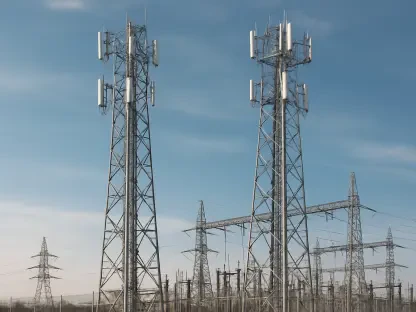

A global surge in electricity consumption, driven by the relentless expansion of power-hungry data centers and sustained industrial growth, is fundamentally reshaping the energy landscape and accelerating the demand for innovative and reliable power generation solutions. Understanding the strategies of key industry players like GE Vernova offers a clear lens through which to view the macro trends defining this new era. This analysis will dissect the primary drivers of innovation and growth in power generation, focusing on the powerful resurgence of high-efficiency gas, the critical expansion of electrification, and the evolving, complex landscape of wind energy.
The Resurgence of High-Efficiency Gas Power
The Data Behind the Demand Surge
The demand for gas power is not just growing; it is accelerating at an unprecedented rate, a trend vividly illustrated by recent market performance. GE Vernova reported a staggering 74% year-over-year increase in its fourth-quarter gas turbine orders, securing 59 units. This surge is more than a momentary spike, as it contributed to the company’s gas power backlog expanding by an impressive 21 GW to a total of 83 GW in a single quarter.
This robust demand has created a favorable market environment, with pricing trends holding strong at around $2,500 per kilowatt. The data points to a clear market signal: in a world seeking both energy security and a pathway to decarbonization, high-efficiency gas turbines are increasingly seen as an indispensable part of the solution, providing reliable, dispatchable power that complements the intermittency of renewables.
Ramping Up Production for a Power-Hungry World
In direct response to this sustained global demand, industry leaders are making significant strategic moves to scale up their manufacturing capabilities. GE Vernova has unveiled a clear plan to increase its annual gas turbine output capacity to 20 GW by the middle of the year, a move designed to meet the long-cycle needs of the energy sector.
This production increase is underpinned by strong financial projections, with an anticipated 16% to 18% organic revenue growth for the segment. Such a substantial investment in capacity signals confidence that the demand for gas power is not a short-term phenomenon but a foundational element of the global energy mix for the foreseeable future.
Electrification: The Backbone of the Energy Transition
Quantifying the Grid Modernization Boom
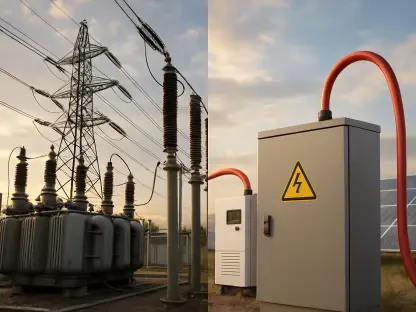
The transition to a decentralized and decarbonized energy system is placing immense strain on existing electrical grids, creating a boom in modernization and expansion projects. This is reflected in the 55% year-over-year increase in order value for GE Vernova’s Electrification segment in the fourth quarter. The growth is fueled by intense demand for critical grid infrastructure, including advanced switchgears, high-voltage direct current (HVDC) systems for long-distance power transmission, and essential substation components.
These figures underscore a critical reality of the energy transition: generating clean power is only half the battle. Without a modern, resilient, and intelligent grid to transmit that power efficiently, the full potential of renewable energy sources cannot be realized. Consequently, investment in electrification is becoming a primary focus for utilities and governments worldwide.
Strategic Acquisitions and Technological Leaps
To capitalize on this grid modernization boom, companies are not only scaling production but also expanding their technological portfolios through strategic acquisitions and internal innovation. The imminent acquisition of Prolec GE is set to enhance GE Vernova’s capabilities in low-voltage electrical distribution equipment, strengthening its offerings for international markets.
Moreover, the company has set ambitious forward-looking goals, including a plan to double its output of transformers and switchgears between now and 2028. Technological innovation remains a key priority, as demonstrated by the ongoing testing of a new solid-state transformer specifically designed for a “hyperscaler customer,” highlighting the bespoke solutions required to power the next generation of data infrastructure.
Navigating a Turbulent Wind Energy Market
A Landscape of Headwinds and Opportunities
The wind energy sector presents a more complex picture, characterized by both significant challenges and emerging opportunities. The offshore wind market, in particular, has faced considerable headwinds stemming from U.S. policy shifts and supply chain disruptions. These factors have created a volatile environment that has tested the resilience of even the most established players.
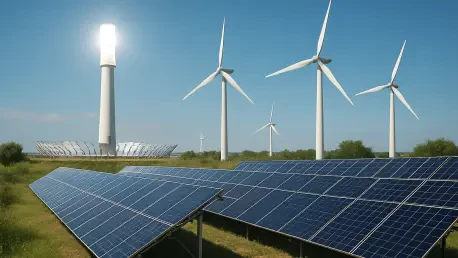
In contrast, the onshore wind market has shown greater stability and strength. Despite the offshore challenges, the Wind segment’s full-year orders grew by 8% to $7.7 billion, a performance largely driven by the onshore business. A key area of growth has been in repowering existing wind farms, with 1.1 GW of such orders booked, indicating a strategic shift toward maximizing the efficiency of the current asset base.
Focusing on Execution and Onshore Growth
Amidst market uncertainty, the strategic focus has shifted toward disciplined execution and capitalizing on the most promising market segments. The successful completion of landmark projects like Vineyard Wind serves as a case study in navigating complexity and delivering results on controllable aspects of the business.
This pragmatic approach involves a strategic pivot toward the onshore market, which offers a more stable and predictable path to growth. The opportunity in repowering aging turbines is particularly significant, as it allows operators to upgrade technology, increase output, and extend the life of their investments without the logistical and regulatory hurdles of building new sites from scratch.
Executive Insights on Market Leadership
According to CEO Scott Strazik, a key competitive advantage in today’s energy market lies in the ability to offer integrated solutions. Connecting state-of-the-art power generation with a modernized electrical grid in a seamless, holistic system is what sets market leaders apart. This integrated approach allows companies to address the full spectrum of customer needs, from initial power production to final delivery.
Strazik’s vision reinforces the strategic importance of ramping up production in core segments like gas power and electrification to meet what he terms “long-cycle energy demands.” The ambition is not merely to sell individual components but to engineer comprehensive energy systems that are reliable, efficient, and prepared for the complexities of the global energy transition.
Future Outlook: Balancing Demand, Transition, and Volatility
Looking ahead, the insatiable electricity demand from sectors like data centers and artificial intelligence will continue to be a primary engine of growth for both gas power and grid infrastructure. Gas turbines are uniquely positioned to serve a dual role, providing the firm, reliable power needed today while acting as a crucial bridge fuel that supports the integration of more renewable energy onto the grid.
At the same time, strategic innovation in electrification will be paramount. Building resilient and efficient grids capable of managing a dynamic and distributed energy mix is a non-negotiable prerequisite for a successful energy transition. In the wind sector, while offshore challenges may persist, the market has the potential to stabilize and find new growth avenues, particularly as the onshore repowering movement gains momentum and unlocks new value from existing assets.
Conclusion: Powering the Future Through Strategic Innovation
The analysis of recent market dynamics revealed a clear divergence in the energy sector’s primary growth paths. The Power and Electrification segments experienced robust, demand-driven expansion, firmly cementing their roles as foundational pillars of the energy system. In contrast, the Wind segment navigated a more complex and challenging environment, requiring a strategic pivot toward more stable onshore opportunities.
This landscape underscored the critical importance of maintaining a diversified and adaptable strategy, one capable of capitalizing on immediate market needs while navigating long-term volatility. Ultimately, the companies that successfully integrated their legacy strengths in established technologies with next-generation innovations proved best positioned to lead the charge in powering a rapidly evolving world.