
In a move that sent shockwaves through the renewable energy sector and drew immediate, bipartisan condemnation, the Trump administration on December 22nd ordered a second halt to the development of Empire Wind 1, New York’s flagship offshore wind project. The administration, through a statement by Secretary of the Interior Doug Burgum, justified the abrupt suspension by citing newly identified national security risks detailed in classified reports from the Department of War. This rationale represents a stark departure from the justification provided for a similar pause in April, which focused on alleged procedural flaws in the approval process under the previous administration. That earlier ban was quickly reversed following significant political pressure from New York’s governor and New York City’s mayor. The latest decision, however, raises more fundamental questions about the project’s viability and signals a potential escalation in the administration’s campaign against clean energy initiatives, placing thousands of jobs and a multi-billion dollar investment in jeopardy.
A Project Caught in a Political Storm
The administration’s official justification for the sudden pause centers on the claim that the massive, reflective turbine blades and towers of the wind farm create significant radar interference, or “clutter.” According to the Department of War reports cited by Secretary Burgum, this clutter could obscure the military’s ability to detect and identify potential airborne threats approaching major East Coast population centers. This security concern marks a significant strategic shift from the reasoning provided for a similar halt in April, which focused on an allegedly rushed approval process by the previous administration. That decision was quickly reversed, but the new rationale introduces a more complex and potentially intractable obstacle for the project’s developers. Critics immediately questioned the timing and validity of this security risk, arguing that such a fundamental issue would have been identified and mitigated during the extensive multi-year vetting and regulatory review process the project has already successfully navigated, suggesting the claim is a pretext for political opposition.
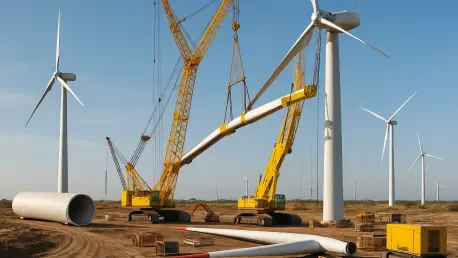
At the heart of the controversy is a massive $5 billion venture operated by the Norwegian energy company Equinor. Located approximately 15 to 20 miles off the coast of Long Island, the Empire Wind 1 project is a cornerstone of New York’s ambitious renewable energy goals. The project is already more than 60% complete, with significant infrastructure already in place. Its suspension jeopardizes a critical source of clean power designed to serve half a million homes in New York City, a key component in the state’s strategy to enhance grid reliability and reduce its carbon footprint. In response to the halt, Equinor stated its firm belief that the project is compliant with all existing security requirements and affirmed its commitment to working with all relevant federal agencies to implement any necessary mitigation measures to address the newly raised concerns. The company’s statement underscored the project’s adherence to a rigorous approval framework, which many believe should have already accounted for potential radar interference issues.
Economic and Community Fallout
The sudden halt of the Empire Wind 1 project poses an immediate and severe threat to the regional economy, jeopardizing a significant source of employment and investment. The construction and planned operation of the wind farm have created nearly 4,000 jobs, providing crucial employment opportunities that include well-paying union positions and vital apprenticeship programs for the next generation of energy workers. These jobs are not abstract figures but represent livelihoods for thousands of families in the New York metropolitan area. Furthermore, the project serves as the anchor for the comprehensive revitalization of the South Brooklyn Marine Terminal in Sunset Park. This once-underutilized industrial site is being transformed into a state-of-the-art operations and maintenance hub designed to support the burgeoning offshore wind industry along the East Coast. The administration’s decision effectively freezes this economic engine, casting a pall of uncertainty over the future of the terminal and the local businesses that depend on its activity.
The economic disruption extends beyond direct employment, threatening the broader supply chain and community development initiatives tied to the project. Local Brooklyn officials were particularly vocal about the damage to their communities, which stand to benefit most directly from the venture. Brooklyn Borough President Antonio Reynoso questioned the motives of a president who has long claimed to be “pro-worker,” pointing out the inherent contradiction in halting a major job-creating infrastructure project. He attributed the decision to “pettiness and vindictiveness.” Similarly, City Council Member Alexa Avilés argued that the action disproportionately targets working-class communities of color in her district, who were counting on the jobs and economic stimulus promised by the terminal’s redevelopment. The move is seen not just as an attack on clean energy but as a direct blow to the economic aspirations of communities that have historically been marginalized.
A United Front of Opposition
The response from elected officials across multiple states was swift, unified, and forceful, creating a powerful coalition against the federal action. The governors of New York, Massachusetts, Connecticut, and Rhode Island issued a rare joint statement that unequivocally condemned the decision. They characterized the move as an “egregious attack on clean energy” that not only defied logic but also threatened the nation’s energy independence by stifling domestic power generation. The statement highlighted the severe consequences of the halt, warning that it would raise energy costs for consumers, eliminate thousands of high-quality jobs, and undermine years of progress toward achieving critical climate goals. This bipartisan and multi-state consensus underscored the regional importance of the offshore wind industry and signaled a commitment to fighting the administration’s decision through all available legal and political channels, presenting a formidable challenge to the federal directive.
This sentiment of outrage was echoed at both the federal and local levels, demonstrating a remarkable alignment of political will against the administration’s policy. In Washington, Senate Minority Leader Chuck Schumer lambasted the action as a clear continuation of the president’s “war against offshore wind,” accusing the administration of deliberately trying to kill union jobs and force higher electricity bills on American families. Closer to the project site, the criticism was even more pointed. New York State Senator Andrew Gounardes, whose district includes parts of the affected Brooklyn waterfront, dismissed the national security claim as “ridiculous” and “hollow,” emphasizing the thorough and years-long vetting process the project had already undergone. He pointed to the multitude of economic and environmental benefits being sacrificed, framing the decision as an irrational act of political sabotage that ignored extensive expert review and public support for the wind farm.
A Pattern of Determined Obstruction
This latest administrative action did not occur in a vacuum but was instead situated within a broader context of persistent efforts to impede renewable energy development nationwide. The decision to halt the wind farm came only weeks after a federal judge in Massachusetts had decisively struck down a previous executive order from the administration that had effectively frozen all new wind project permits across the country. In that landmark ruling, Judge Patti Saris characterized the executive order as both “arbitrary and capricious,” siding with a powerful coalition of 17 states that had argued the president had overstepped his authority. This significant legal defeat for the administration added a critical layer of context to the Empire Wind 1 controversy, suggesting a continued and determined campaign to obstruct wind energy projects despite previous judicial setbacks and the clear opposition from a unified front of state and local governments.
The collective response from stakeholders painted a clear narrative of systematic obstruction driven by political motivations rather than legitimate governance. The consensus view that emerged from governors, federal lawmakers, and local officials was that the administration’s shifting justifications—first procedural flaws, now national security—lacked credibility. Critics consistently argued that if the radar interference were a genuine and insurmountable threat, it would have been identified and addressed during the exhaustive regulatory process. The pattern of legally questionable actions, combined with the widespread political backlash, has set the stage for a protracted legal and political battle. This confrontation ultimately determined not only the fate of Empire Wind 1 but also the future trajectory of the entire offshore wind industry in the United States, which stood at a critical juncture in its development.