
The American energy landscape is currently undergoing a massive transformation as federal agencies prioritize the rapid deployment of sustainable power solutions to meet the rising demands of a digitized economy. In the Pacific Northwest, the U.S. Army Corps of Engineers is moving beyond traditional administrative hurdles to implement the “Building Infrastructure, Not Paperwork” initiative. This program marks a significant departure from the historical trend of lengthy bureaucratic reviews, focusing instead on the immediate physical construction and technical upgrades required for long-term energy security. By streamlining internal processes, the Walla Walla District is ensuring that essential funds reach the project sites where they can have the most immediate impact on regional infrastructure. This shift is not merely about policy change; it is a fundamental restructuring of how critical water and energy projects are managed from inception to completion, reflecting a broader commitment to national resilience and economic stability through localized modernization efforts. This proactive stance acknowledges that the window for maintaining aging infrastructure is narrowing, necessitating a more aggressive approach to civil engineering and resource management that prioritizes tangible outcomes over procedural delays.
Strategic Infrastructure Enhancements in the Pacific Northwest
The Modernization of Dworshak Dam: A Regional Milestone
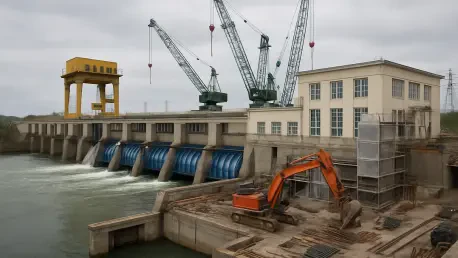
A primary focus of these modernization efforts is the substantial expansion currently taking place at the Dworshak Dam in Idaho. This project is centered on the installation of a fourth generator, which is designed to be the largest single unit within the entire USACE inventory. By adding this massive component to the existing facility, engineers are significantly increasing the hydroelectric output of the Clearwater River basin. This expansion is a direct result of the federal push to maximize existing assets rather than starting entirely new, time-consuming construction projects from the ground up. The integration of this fourth generator represents a sophisticated engineering challenge, requiring precise coordination between civil contractors and hydropower experts to ensure the structural integrity of the dam remains uncompromised. Once this unit becomes operational, it will provide a massive influx of renewable energy, helping to stabilize the regional power grid and reduce the dependency on less sustainable energy sources during peak demand periods.
The technical complexity of the Dworshak Dam project underscores the importance of the Walla Walla District’s specialized workforce. These professionals are tasked with managing the installation of oversized components and high-capacity electrical systems while maintaining the dam’s daily operations. This particular generator is not just a piece of machinery; it is a central pillar in the strategy to future-proof the regional energy supply. The increased capacity is essential for supporting both residential growth and industrial expansion throughout the Pacific Northwest. By focusing on high-impact investments like the Dworshak expansion, the USACE is demonstrating how strategic resource allocation can lead to measurable improvements in energy reliability. This project serves as a model for other federal water infrastructure facilities, showing that significant gains in efficiency and power output are achievable when technical expertise is combined with an expedited administrative framework that allows for rapid procurement and implementation of advanced energy technologies.
Streamlining Federal Oversight: From Bureaucracy to Building
The “Building Infrastructure, Not Paperwork” initiative is fundamentally changing the operational culture within the Walla Walla District. For decades, federal projects were often bogged down by multi-year planning cycles and exhaustive administrative reviews that frequently delayed the start of physical work. The current strategy aims to invert this dynamic by prioritizing the actual construction phase and reducing the volume of paperwork required to move a project forward. This transition is crucial for addressing the maintenance backlog that has affected many of the region’s locks and dams. By cutting through the red tape, the district can deploy specialized crews and equipment more quickly, ensuring that critical repairs and upgrades are completed before aging components fail. This approach not only saves time but also reduces the overall cost to taxpayers by avoiding the inflation and resource scarcity issues often associated with long-term project delays. The emphasis remains on transparency and safety, but with a much more direct path to technical execution.
Beyond the immediate benefits to power generation, this streamlined approach is vital for the continued functionality of the region’s navigation and flood control systems. The Walla Walla District manages a complex network of multi-purpose facilities that are essential for the transport of agricultural goods and the protection of downstream communities. Modernizing these systems requires a constant cycle of inspections and mechanical updates, which are now being managed with greater agility. By focusing on building rather than administrative processing, the USACE is able to address vulnerabilities in lock systems and spillways more effectively. This ensures that the Columbia and Snake River systems remain viable for maritime commerce while simultaneously managing the fluctuating water levels associated with seasonal weather patterns. The success of this initiative is measured not by the thickness of the reports generated, but by the reliability of the physical infrastructure and the seamless operation of the dams and navigation channels that provide the backbone of the region’s economy.
Long-term Sustainability and Economic Impacts
Technological Innovation in Hydroelectric Generation
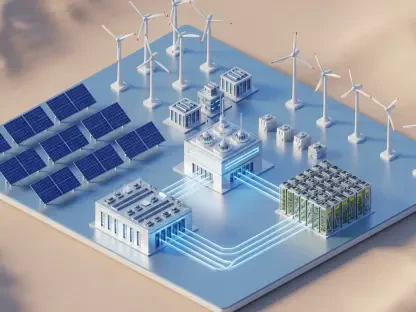
Modernizing Idaho’s hydropower infrastructure is about more than just replacing old parts; it is about integrating the latest technological advancements into the existing grid. The new systems being installed across the district include sophisticated sensors and automated control units that allow for more precise management of water flow and energy output. These digital upgrades enable operators to respond in real-time to changes in demand, ensuring that the hydroelectric system can effectively balance the variability of other renewable sources like wind and solar. This integration of high-tech components is a key part of the federal effort to maintain the Pacific Northwest’s position as a leader in clean energy. The focus on modernization also extends to the physical components of the turbines and generators, which are now constructed using materials and designs that offer higher efficiency and longer lifespans. This commitment to technical excellence ensures that the investments made today will continue to deliver value for decades without requiring frequent or costly interventions.
The transition toward a more modern and efficient hydropower system also has profound implications for the regional economy. Reliable and affordable electricity is a major driver for business investment in Idaho and the surrounding states. By ensuring that the hydropower fleet is operating at peak performance, the USACE provides the stability necessary for long-term economic planning. Furthermore, the construction and maintenance activities associated with these modernization projects create high-skilled jobs in the engineering and manufacturing sectors. The regional supply chain benefits from the demand for specialized components and construction materials, fostering a robust ecosystem of technical expertise. This economic ripple effect reinforces the importance of the federal government’s commitment to physical infrastructure. By treating hydropower as a critical national asset, the modernization efforts contribute to a more resilient and competitive regional market, where energy reliability becomes a baseline for future growth and innovation across all sectors of the economy.
Strategic Resilience and the Future of Energy
The strategic shift toward expedited infrastructure development effectively addressed the immediate needs of the regional energy grid while laying the groundwork for future resilience. Decision-makers successfully prioritized the replacement of aging mechanical systems with high-capacity alternatives, ensuring that the Pacific Northwest remained insulated from the volatility of global energy markets. The integration of the large-scale generator at Dworshak Dam served as a definitive case study in how targeted federal investment could yield significant returns in renewable capacity without the need for extensive land-use changes. These efforts moved the focus toward a proactive maintenance culture where potential failures were identified and mitigated through modernization rather than reactive repairs. This evolution in project management demonstrated that the federal government could operate with the efficiency required to meet modern challenges while maintaining high standards for public safety and environmental stewardship across the basin.
The lessons learned from these modernization projects offered a clear roadmap for future infrastructure policy and resource management. It became evident that reducing administrative friction was the most effective way to accelerate the transition to a more sustainable energy future. Moving forward, the emphasis should remain on identifying other high-priority sites where similar technological upgrades can be implemented to further bolster the national grid. Stakeholders should continue to support the training of a specialized workforce capable of maintaining these complex systems, ensuring that the technical gains achieved are preserved for subsequent generations. The successful execution of these projects proved that with the right administrative framework and a focus on physical outcomes, it was possible to modernize the nation’s water infrastructure in a way that supported both environmental goals and economic vitality. This approach set a new standard for federal engagement in the energy sector, emphasizing that the best way to secure the future was to build it with precision and speed.