
Virginia has recently fundamentally rewritten the rules of residential electricity by stripping away the bureaucratic gatekeeping that once prevented apartment dwellers from capturing their own sunlight. The passage of the “balcony solar” bill by the state legislature signifies a transformative shift in the regional approach to renewable energy and consumer rights. By streamlining the path for residents to generate their own power, the state is dismantling the traditional barriers that have long kept clean energy out of reach for many. This analysis explores how the new legislation empowers citizens, reduces utility interference, and sets a bold precedent for the rest of the United States. Readers can expect an in-depth look at the technical specifics of the bill, the economic pressures driving this change, and the future of decentralized power in an evolving energy landscape.
A New Era for Urban Renewable Energy in the Old Dominion
The legislative victory in Virginia represents a pivotal moment for urban energy strategy, moving away from a system that prioritized utility control over individual innovation. For years, the lack of clear guidelines for portable solar devices left many residents in a legal gray area, unable to utilize even small-scale equipment due to the fear of utility retaliation or fines. This bill provides the necessary legal certainty for both consumers and manufacturers to engage in the “plug-and-play” market safely.
Furthermore, this change arrives at a time when the demand for local energy resilience is at an all-time high. As urban populations grow and the grid faces increasing strain from extreme weather and high-demand facilities, the ability of individuals to offset their own usage becomes a collective benefit. This policy shift does not merely favor the consumer; it introduces a more resilient layer to the state’s energy infrastructure by distributing generation across thousands of individual nodes rather than a few central points.
Historical Context and the Shift Toward Energy Democratization
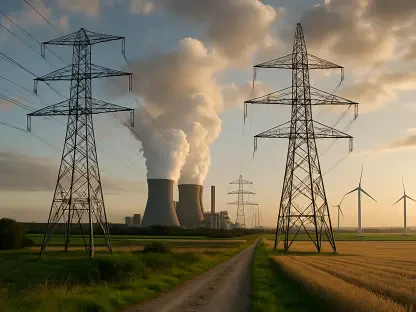
For decades, the energy sector in Virginia was defined by a centralized model, dominated by large-scale fossil fuel plants and a rigid utility framework. Access to solar energy was almost exclusively the domain of homeowners with the financial means to invest in permanent rooftop installations and the patience to navigate complex utility “interconnection” agreements. Historically, utility companies held absolute authority over any device feeding into a building’s electrical system, often citing safety and grid stability to justify lengthy approval processes and additional fees.
However, as the urgency of the climate crisis intersected with a growing demand for consumer autonomy, the push for “energy democratization” began to gain traction. This movement sought to redistribute the power of generation into the hands of the people, challenging the monopoly that utilities held over the grid’s inputs. This historical friction between centralized power and individual liberty created a market vacuum that portable technology was uniquely positioned to fill, ultimately forcing a legislative response that favored the public interest over traditional utility structures.
Breaking Barriers to Accessible Green Power
The Technical Framework of Permissionless Portable Solar
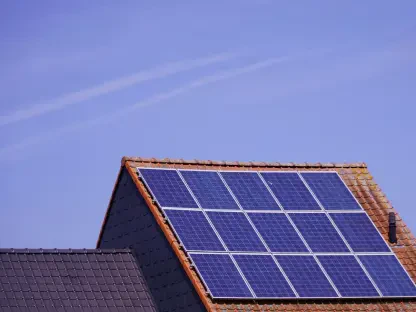
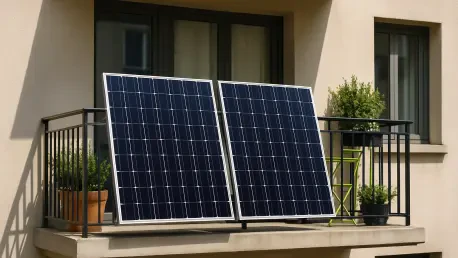
The core of the new legislation focuses on “small portable solar generation devices,” specifically those with a maximum power output of 1,200 watts. These units are designed for ease of use, typically consisting of one or two panels that can be mounted on a balcony and plugged directly into a standard 120-volt wall outlet. Unlike traditional arrays that require professional electrical work and permanent structural changes, these devices are designed for the average consumer. By capping the output at 1,200 watts, the state ensures that the devices provide meaningful energy offsets without overwhelming standard household circuits.
Eliminating Utility Red Tape and Regulatory Hurdles
One of the most radical components of the bill is the removal of utility oversight for these specific portable units. The legislation explicitly prohibits utility companies from imposing interconnection requirements, charging application fees, or requiring prior approval before a resident can start generating power. This “permissionless” model is a direct response to the bureaucratic friction that has historically discouraged solar adoption. To mitigate concerns from utilities, the bill includes “anti-islanding” requirements to ensure devices do not back-feed the grid during outages, and it shields utilities from liability regarding the use of these devices.
Expanding Solar Access to Renters and Diverse Demographics
By legalizing balcony solar, Virginia is addressing a significant gap in the renewable energy market: the exclusion of renters and low-to-moderate-income families. Traditional rooftop solar is often impossible for apartment dwellers or those who do not own their property. This bill changes that dynamic, offering a portable solution that tenants can take with them when they move. While a 1,200-watt system may not power an entire home, it offers a tangible way for a broader demographic to participate in the green economy. This inclusivity fosters a sense of shared responsibility in the transition to sustainable energy practices.
Future Trends in Decentralized Energy and Grid Management
Virginia’s move signals a broader national trend toward decentralization, where the grid evolves from a one-way street into a multidimensional network of mini-generators. As other states observe the Virginia model, there is a clear expectation to see a surge in similar “plug-and-play” solar legislation across the country from 2026 to 2030. Furthermore, the rise of balcony solar will likely drive innovation in the consumer electronics sector, leading to more efficient panels and integrated battery storage systems that fit in small apartments.
This shift will force utilities to modernize their grid management strategies, moving away from centralized control and toward a more flexible, distributed energy mix. The evolution of the grid into a participatory platform represents the next phase of infrastructure development. Utilities will increasingly rely on sophisticated software to manage the ebb and flow of power from these small sources, potentially creating new markets for grid services where individual consumers can contribute to regional stability during peak demand periods.
Strategic Takeaways for Consumers and the Industry
For Virginia residents, the primary takeaway is the newfound ability to take control of energy costs without the need for property ownership or massive upfront investment. To maximize the benefits of this legislation, consumers should look for devices equipped with high-quality inverters and verified safety certifications. For the solar industry, this represents a massive new market segment focused on “retail-ready” renewable products rather than industrial-scale installations. Stakeholders should prepare for a shift in demand toward portable, user-friendly tech that prioritizes ease of installation.
Moreover, real estate developers and property managers should view this legislation as an opportunity to enhance the value of their properties. Installing balcony-ready railings or dedicated outdoor outlets can make a building significantly more attractive to the growing demographic of energy-conscious tenants. Industry leaders must also collaborate on establishing clear standards for mounting and safety to ensure that the rapid adoption of this technology does not lead to avoidable property damage or safety hazards in densely populated areas.
Conclusion: A Blueprint for the Future of American Energy
The Virginia balcony solar bill represented more than just a regulatory change; it was a statement of intent regarding the future of energy independence. By bridging the gap between high-tech renewable goals and the practical needs of everyday citizens, the state created a blueprint for energy policy that prioritized accessibility. This legislation proved that when regulatory barriers were removed, clean energy became a universal tool for economic relief and environmental stewardship. As this model began to spread, it remained a cornerstone of the national conversation on how to build a more equitable and resilient energy future.
Moving forward, the focus turned toward ensuring that infrastructure upgrades kept pace with this influx of decentralized power. Actionable next steps for policymakers involved investing in smart grid technologies that could handle the bidirectional flow of electricity at a granular level. For the industry, the focus shifted to developing modular battery systems that allowed apartment dwellers to store their solar energy for use during peak evening hours. These innovations ensured that the legacy of the Virginia bill was not just a legal victory, but a fundamental redesign of how society interacted with the power grid.