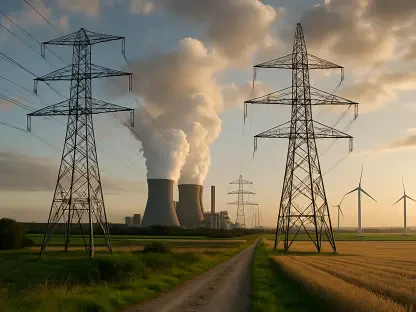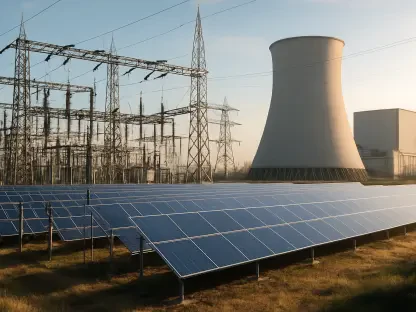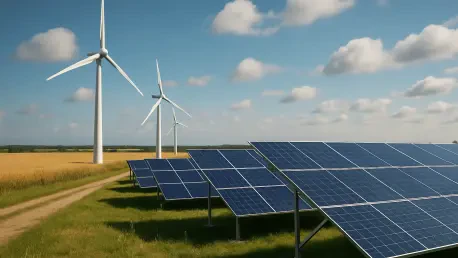

A puzzling administrative approach has emerged that seems to actively undermine the expansion of wind and solar energy, creating a significant policy question that extends far beyond typical environmental debates. This strategy appears to run counter to the nation’s urgent need to address a looming, massive shortfall in electrical generation capacity. As renewable technologies mature into economically viable and rapidly deployable solutions, the continued resistance from policymakers raises fundamental questions about the motivations behind such a seemingly counterproductive agenda. Obstructive actions, such as the sudden revocation of permits for nearly completed wind farms, suggest a rationale driven by something other than sound economic or energy policy, prompting a closer examination of the forces shaping this contentious national conversation and its long-term implications for energy security and industrial strength.
An Economic and Practical Conundrum
The core of the issue lies in the demonstrable progress of renewable energy technologies, which have achieved a critical milestone: cost parity with conventional power sources. Solar and wind installations now rival fossil fuel plants in both construction and operating expenses, often without the need for federal subsidies that were once essential for their development. This economic viability is paired with a significant logistical advantage—speed. Renewable projects can be brought online in a fraction of the time required for traditional power plants, offering a nimble and effective solution to immediate and projected energy deficits. Given these clear benefits, the persistent administrative roadblocks are perplexing. Halting projects that are on the verge of completion not only squanders significant investment but also actively delays the expansion of the energy grid at a time when it is most needed, suggesting that the decision-making process is guided by factors entirely separate from practical, data-driven energy strategy.
Beyond Policy to Global Competitiveness
When logical policy explanations fall short, speculation naturally turns toward other potential influences, ranging from personal aesthetic objections to the significant lobbying power of the established fossil fuel industry. However, the consequences of this anti-renewable stance extend far beyond domestic energy production, creating damaging ripple effects across the entire economy. By actively hindering the growth of clean energy and the related electrification of transportation, these policies risk placing American industries, particularly automotive manufacturing, at a severe disadvantage on the global stage. As other nations aggressively invest in and build out their renewable infrastructure and electric vehicle markets, a domestic strategy that moves in the opposite direction effectively cedes technological leadership and economic competitiveness. This approach ultimately created a self-inflicted wound, damaging the nation’s capacity for innovation and its standing in a rapidly evolving global market. The long-term impact was a weakening of the country’s energy independence and a forfeiture of its competitive edge in the defining industries of the future.