
I’m thrilled to sit down with Christopher Hailstone, a seasoned expert in energy management and renewable energy with a deep understanding of electricity delivery and grid reliability. As our go-to utilities specialist, Christopher has spent years navigating the complexities of California’s energy landscape, offering invaluable insights into the challenges and opportunities surrounding clean energy integration. Today, we’ll dive into the pressing issue of interconnection delays for solar and storage projects, explore the regulatory dynamics at play, and unpack the real-world impacts on families, businesses, and California’s ambitious climate goals.
How do interconnection delays for solar and storage projects in California come about, and what’s the ripple effect on customers and the state’s clean energy ambitions?
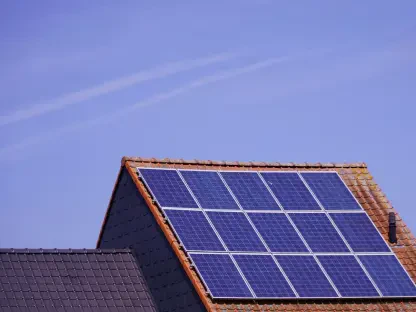
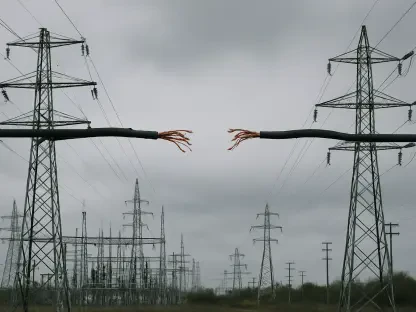
I’ve been following this issue for years, and the delays we’re seeing—up to 73% of the time according to recent data—are a tangle of logistical, bureaucratic, and sometimes systemic problems. Utilities are often overwhelmed by the sheer volume of applications, especially during predictable surges like the one at the end of net metering 2.0 eligibility. I recall a small business in the Central Valley that waited over a year to get their solar system connected; they were stuck paying sky-high utility bills while their panels sat idle, collecting dust under the blazing sun. Each day of delay means customers are shelling out more for energy they could be generating themselves, and it erodes trust in the clean energy transition. On a broader scale, these holdups stall California’s push to decarbonize—every unconnected system is a missed chance to cut emissions and build a resilient grid. It’s frustrating because the state has bold targets, but without timely interconnections, we’re just spinning our wheels.
Why do you think regulatory bodies have been slow to enforce timelines against utilities for these delays, and what might enforcement look like if it finally happens?
It’s a complex dance between regulators and utilities, and honestly, I think the hesitation comes down to a mix of resource constraints and political caution. I’ve seen firsthand how regulatory staff can be stretched thin, juggling multiple priorities while trying to avoid heavy-handed moves that might spark backlash from powerful utility stakeholders. Back in the mid-2010s, I was part of discussions where similar compliance issues were raised, and even then, the response was often just more dialogue rather than action—it feels like déjà vu now. If enforcement does kick in, it would likely start with formal investigations into the patterns of non-compliance, followed by public hearings to gather evidence. Then, we could see penalties or mandated corrective plans with strict deadlines, maybe even tying executive compensation to performance metrics on interconnections. The goal would be to create real accountability, but it’s a slow grind, and I worry that without urgency, customers will keep bearing the brunt of these delays.
Utilities often point to application surges as a reason for delays, like the rush before net metering 2.0 ended—how could they have anticipated and managed that better, and what’s the lasting impact on projects today?
That surge was absolutely foreseeable; anyone in the industry saw it coming a mile away as customers scrambled to lock in better rates. Utilities could have ramped up staffing and streamlined their review processes well in advance, perhaps by using predictive modeling to estimate application spikes and allocate resources accordingly. Imagine if they’d set up dedicated task forces months before the deadline—think of it as prepping for a storm you know is on the horizon. I don’t have exact figures on the volume, but the backlog was massive, and even now, though most of those applications are processed, the delays persist and sometimes are worse. New projects are getting caught in this residual logjam, facing uncertainty and extra costs, which discourages investment in solar and storage. It’s like a traffic jam that never fully clears; every new car just adds to the chaos, and we’re all left idling.
Can you paint a picture of the financial and environmental costs of these delays for everyday Californians and the state’s broader climate goals?
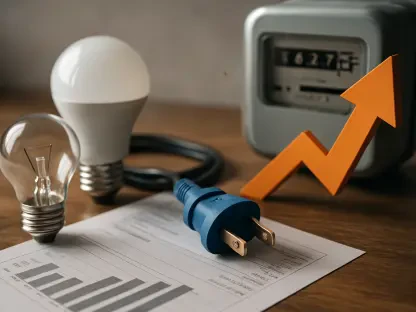
Absolutely, the toll is both personal and systemic. Take a typical family in a suburban area—they’ve invested thousands in a solar setup hoping to slash their monthly bills, only to wait months for a connection. They’re stuck paying $200 or more each month to the utility while their panels sit useless, and that’s money they could’ve spent on groceries or school supplies. I’ve talked to folks who felt utterly defeated, staring at their idle system while the summer heat cranks up their costs. Environmentally, every delayed project means more reliance on fossil-heavy grid power, chipping away at California’s renewable energy targets. We’re racing against federal and state deadlines to cut emissions, and these delays are like running with weights on our ankles—each missed connection pushes us further from a cleaner future, and the frustration in communities is palpable.
Utilities tout numbers like interconnecting nearly 950,000 solar customers as proof of their commitment—how do you balance that against their consistent failure to meet state timelines, and what should true commitment look like?
I’ll give credit where it’s due—connecting 950,000 solar customers is no small feat, and it shows a significant effort to support renewable adoption. But when you stack that up against missing state-mandated timelines as often as 73% of the time, it’s clear the system isn’t working for everyone. I’ve heard of other regions where utilities don’t just hit numbers but prioritize speed and transparency—one utility I studied a few years back had a public dashboard tracking interconnection progress, something I’d love to see here. True commitment means not just racking up connections but ensuring the process is smooth and timely for every customer, no matter the backlog. It’s about investing in staff, tech, and forecasting to prevent delays before they start, and being upfront when things go wrong. Numbers are great, but if families and businesses are left waiting, that’s not a win—it’s a half-measure.
What’s your forecast for the future of renewable energy integration in California given these ongoing challenges?
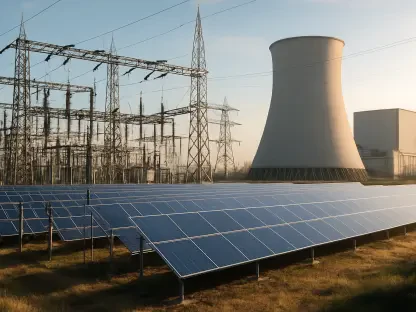
I’m cautiously optimistic, but we’ve got serious hurdles to clear. If regulators step up with enforceable accountability and utilities invest in process improvements, I think we could see a turnaround in interconnection timelines within the next few years, especially as storage and solar tech continue to boom. But if the status quo holds, we risk alienating customers and stalling our climate goals right when urgency is highest. My hope is that the pressure from lawmakers and advocacy groups will spark real change, because California has the potential to lead the nation in clean energy—but only if we stop tripping over our own feet.