
The global energy transition encountered a jarring reality check during 2025 as the long-celebrated era of ever-declining renewable prices was replaced by a sharp and sudden ascent in procurement costs. For over a decade, the narrative surrounding solar and wind power was one of consistent, predictable deflation, but that trend famously hit a significant roadblock last year. Power Purchase Agreement (PPA) prices climbed by nearly 9% across North America, signaling a fundamental shift in the economic landscape for green energy. This sudden pivot forced corporations, utilities, and project developers to rethink their strategies in a world where carbon-free power is no longer synonymous with “cheap.”
This price escalation represents more than just a statistical anomaly; it serves as a critical indicator of the mounting pressure on the aging American electrical grid. As the nation pushed toward deeper electrification and the integration of energy-intensive technologies, the feasibility of the transition began to hinge on navigating a supply chain under unprecedented strain. The volatility observed throughout 2025 underscored that while the appetite for clean energy has never been stronger, the industrial capacity to deliver it at a low cost has reached a temporary ceiling.
The End of the “Cheap Green Energy” Era
The year 2025 marked a definitive turning point where the industrial realities of project development caught up with the optimistic projections of previous years. While wind and solar were once celebrated for their plummeting price tags, a perfect storm of economic shifts sent average PPA prices on a steady upward trajectory. This change in market dynamics reshaped the relationship between energy producers and offtakers, moving away from the era of buyer-dominated negotiations toward a seller’s market characterized by scarcity and high competition.
Developers faced a mounting pile of expenses, ranging from higher labor costs to the rising price of raw materials needed for sprawling solar arrays and massive wind turbines. The narrative that green energy would indefinitely follow a “Moore’s Law” style of cost reduction was officially debunked as the complexities of land use and interconnection began to dominate the balance sheets. Consequently, the industry entered a period of recalibration, where the value of a project was determined not just by its carbon profile but by its ability to navigate a high-cost environment.
Why This Price Hike Matters for the Modern Economy
As the world accelerates its push toward total electrification, the cost of clean energy has evolved into a core economic driver that influences everything from manufacturing to consumer cost of living. With nationwide electricity prices projected to rise further through 2026 and 2027, understanding these cost drivers is now essential for every sector of the economy. The stability of the power grid and the feasibility of massive technological expansions currently hinge on the ability of the market to absorb these higher costs without stalling the transition.
Rising PPA prices directly impact the bottom line of major corporations that have made ambitious net-zero pledges. When the cost of securing renewable energy increases, those expenses often ripple through the supply chain, affecting the pricing of consumer goods and services. Furthermore, the higher barrier to entry for clean energy projects can slow the retirement of older, fossil-fuel-based plants, potentially complicating environmental targets while simultaneously placing a heavier financial burden on the average ratepayer.
The Triad of Forces Driving PPA Prices Upward
A primary driver of the recent price surge was the intense regional imbalance seen in specific markets like the ERCOT territory in Texas. While national averages showed a steady rise, wind PPA prices in Texas jumped by an incredible 19% due to localized buyer competition and a race to secure the most viable sites. In contrast, trends in the MISO and SPP regions remained relatively flat, creating a fragmented market where the geographic location of a project became the single most important factor in its financial viability.
Beyond regional competition, the rapid expansion of hyperscale data centers and artificial intelligence infrastructure created a massive supply-demand imbalance. This “strong appetite” for clean energy meant that tech giants were often willing to pay a premium to secure power for their massive facilities, effectively crowding out smaller buyers. Finally, regulatory headwinds and incentive shifts played a significant role; the legislative impacts of the “One Big Beautiful Bill Act” altered the tax credit landscape, while federal tariffs and permitting delays continued to stall project timelines and inflate development costs.
Expert Perspectives on the “AI Power Demand” Consensus
Industry analysts and energy leaders suggest that the current spike in demand is not a temporary bubble but a permanent shift in the energy landscape. Even if the immediate growth of data centers were to stabilize, the broader electrification of the industrial sector ensures a long-term upward trajectory for power needs. Experts highlight that renewable resources remain the “speed-to-market” favorite for tech giants because they can be deployed faster than traditional coal or nuclear plants, despite the rising price tags.
The consensus among market observers is that the system is under immense stress as it attempts to build generation and transmission infrastructure fast enough to keep pace with innovation. While some large buyers have begun exploring natural gas and nuclear options to bridge the capacity gap, these projects often face even longer lead times and higher regulatory hurdles. This reality kept the focus squarely on wind, solar, and storage, even as the costs of those technologies continued to climb throughout the previous year.
Strategies for Navigating the New Energy Storage Market
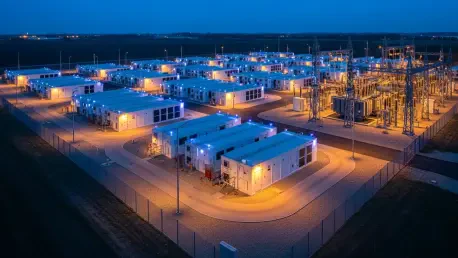
To manage the rising costs, many offtakers began shifting their focus from traditional PPAs to Energy Storage Agreements (ESAs). Under these arrangements, the buyer pays for the right to control the charging and discharging cycles of a battery facility, which helps meet utility “accredited capacity” requirements. This strategy allowed developers to maintain short deployment timelines while providing the grid with the flexibility needed to handle the intermittent nature of wind and solar power.
Managing regulatory risks also became a cornerstone of successful procurement during this period. Organizations had to develop sophisticated strategies to account for “Foreign Entity of Concern” (FEOC) rules, particularly regarding battery supply chains that were heavily dependent on international components. By targeting regional value over national averages, savvy buyers identified opportunities in the Midwest and other undervalued regions where wind projects still offered a price-competitive advantage compared to the saturated high-demand hubs on the coasts and in Texas.
The industry moved toward a more nuanced understanding of project value that accounted for both the price of energy and the reliability of the supply. Developers and corporate buyers alike adopted localized energy price forecasting to hedge against future spikes. This shift in strategy reflected a broader recognition that the era of simple, low-cost green energy had ended, requiring a more sophisticated approach to energy procurement. As the market matured, the focus turned toward creating resilient, long-term partnerships that could withstand the ongoing fluctuations of a complex global supply chain. This evolution ensured that the transition to a carbon-free grid remained a priority, even as the economic path became more challenging.