The global landscape of clean energy procurement is undergoing a profound transformation as a select group of technology companies reaches unprecedented levels of influence. While the total volume of corporate renewable deals dipped slightly in 2025, falling from a record 62 GW to 55.9 GW, the dominance of “hyperscalers” like Amazon, Google, Meta, and Microsoft has never been more apparent. These firms now represent nearly half of all clean energy purchasing activity worldwide. This analysis explores how these behemoths navigate a volatile market defined by policy risks and fluctuating power prices. By examining the consolidation of market power and the pivot toward sophisticated energy portfolios, it becomes clear why tech giants are now the primary architects of the green transition.
The Shift Toward Big Tech Sovereignty in Renewables
The clean energy sector is shifting away from a broad ecosystem toward a concentrated market led by firms with massive balance sheets. Historically, the market allowed a diverse range of medium-sized enterprises to contract for wind and solar power. However, as the initial “low-hanging fruit” of renewable projects was harvested, the complexity of the grid increased significantly. Recent years have seen a convergence of supply chain constraints and rising benchmark costs that created high barriers to entry. While the number of unique corporate buyers in the United States plummeted by 51% in 2025, tech giants used their capital to absorb risks that sidelined others, cementing their role as the dominant force in the energy transition.
From Early Adopters to Market Makers
To understand current market dynamics, one must look at the evolution of power purchase agreements (PPAs). These contracts were once accessible to various industrial players, but rising costs and regulatory hurdles have narrowed the field. Smaller companies often struggle to secure favorable terms as project developers prioritize large-scale, reliable partners. Consequently, the market has matured into a space where only entities with long-term vision and significant financial leverage can dictate terms. This consolidation suggests that the era of fragmented corporate procurement is ending, replaced by a strategic landscape where a few key players drive the global demand for new renewable infrastructure.
The Rise of the Hyperscalers and Market Consolidation
The Infrastructure Hunger of Data Centers
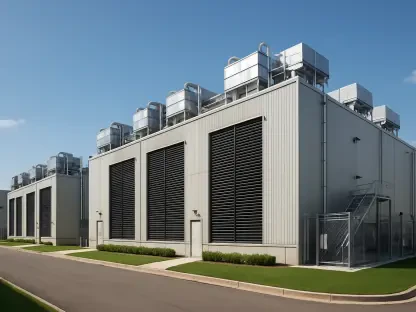
The primary driver behind the tech industry’s energy appetite is the explosive growth of data centers and artificial intelligence. In 2025, the big four tech firms accounted for a staggering 49% of global clean energy procurement. Unlike traditional manufacturers, hyperscalers require massive, uninterruptible power loads to keep servers running every hour of the day. This necessity has turned these companies into the world’s most aggressive energy shoppers. However, as project costs rise, the pool of active participants in the United States shrank to just 33 companies, indicating that market power is increasingly concentrated in the hands of those managing digital infrastructure.
Diversification Beyond Wind and Solar
As the limits of intermittent renewables become clearer, tech giants are moving beyond the traditional solar-and-wind model. To achieve true carbon neutrality, these firms are now investing heavily in diversified portfolios that include nuclear, geothermal, and hydropower. This shift is a direct response to the inherent volatility of weather-dependent energy sources, which do not always align with the constant demand of a data center. By securing “baseload” clean energy from sources like nuclear power, tech giants are ensuring a more reliable energy supply. This move toward a complex energy mix represents a strategic hedge against the broader market’s pricing instability.
Navigating Regulatory Shifts and Hourly Tracking
A significant catalyst for changing corporate behavior is the evolving regulatory framework regarding emission standards. Upcoming changes to the Greenhouse Gas Protocol are expected to mandate “hourly tracking,” requiring companies to prove that their clean energy production matches their consumption in real-time. This is a massive departure from the traditional annual offsetting model that allowed for more flexibility. To prepare, hyperscalers are pioneering sophisticated deal structures, such as co-located renewable projects and hybrid systems. These innovations allow companies to claim genuine decarbonization in an era where greenwashing is increasingly scrutinized by regulators.
The Future of Energy: Storage and Hybrid Systems
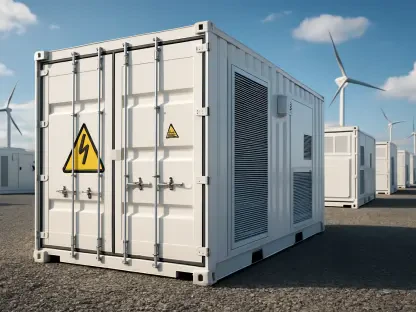
The trajectory of the clean energy market now depends on the ability to store power for when the sun is not shining or the wind is not blowing. Technological innovations in battery storage are already reshaping the industry; in 2025, the cost of four-hour battery projects dropped 27% to a historic low of $78/MWh. This price plunge is making hybrid solar-and-storage projects the new industry standard for those who can afford the upfront investment. Experts predict that as storage becomes even more affordable, combined projects will dominate filings. This evolution will likely lead to a “firm” renewable product that can compete directly with fossil fuels on reliability.
Strategic Takeaways for the Energy Transition
The consolidation of the clean energy market offers several critical lessons for businesses and policymakers. First, the success of tech giants highlights the importance of scale and financial resilience in a volatile market. For other corporations to remain competitive, they may need to explore collaborative buying groups or aggregated PPAs to share risks and costs effectively. Second, the shift toward hybrid systems and hourly tracking suggests that the future of sustainability is data-driven. Companies must invest in energy management software to track consumption with precision. Finally, moving toward diversified energy sources indicates that the next phase of the transition requires a multi-faceted approach.
Final Perspectives on Corporate Energy Dominance
The dominance of tech giants in the clean energy market functioned as a double-edged sword that accelerated innovation while narrowing market access. Their massive investments successfully drove down the costs of emerging technologies like battery storage and geothermal power for the broader economy. The transition toward 24/7 carbon-free energy, led by these hyperscalers, established a rigorous blueprint for all sustainable businesses. As regulatory requirements tightened and technology evolved, the strategies employed by these giants provided the necessary momentum for the sector to mature. Significant long-term growth in the renewable industry eventually depended on the ability of the wider market to follow the path these pioneers blazed.