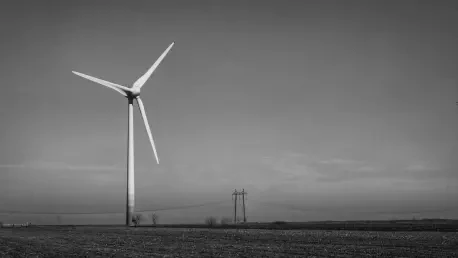

In the vast, windswept plains of the Oklahoma Panhandle, a monumental energy project is taking shape, signaling a multi-billion-dollar wager on the future of renewable power in America’s heartland. Chicago-based energy giant Invenergy is advancing the development of the States Edge Energy Center, a project of staggering scale that underscores the state’s enduring appeal for wind energy investors. With a proposed capacity of 2 gigawatts and a price tag of $4 billion, this new facility represents more than just another wind farm; it is a powerful statement about the economic viability and strategic importance of wind power in the nation’s energy portfolio. Located across Cimarron and Texas Counties, the project is poised to become a cornerstone of the region’s power infrastructure, promising to generate enough clean electricity to power over 850,000 American homes. This ambitious undertaking is not just a testament to technological advancement but also a continuation of a long-standing partnership between a leading developer and a state rich in renewable resources.
A Closer Look at the States Edge Project
The States Edge Energy Center is being meticulously planned to integrate seamlessly into the region’s power grid, a complex process that has already reached significant milestones. The initial phase of the project, as detailed in filings with the Southwest Power Pool (SPP), involves the installation of 300 state-of-the-art GE 2.5 MW wind turbines, which will provide a nameplate capacity of 750 megawatts. This first stage alone represents a substantial contribution to the grid’s renewable capacity. A crucial step forward was the submission of a Generator Interconnection Agreement (GIA), a formal request to connect the massive facility to the existing transmission infrastructure managed by AEP Oklahoma Transmission Company. This agreement is fundamental, as it outlines the technical requirements and financial responsibilities for linking the new power source to the broader network, ensuring stability and reliability for consumers. While the GIA marks significant progress, the project remains in the development phase, with construction contingent upon securing all necessary permits and finalizing land rights with local property owners.
The journey from a proposal to an operational wind farm involves navigating a complex web of logistical, regulatory, and engineering challenges, a process Invenergy is currently undertaking for the States Edge facility. The selection of GE turbines signifies a commitment to utilizing proven, high-efficiency technology capable of capturing the powerful and consistent winds characteristic of the Oklahoma Panhandle. Furthermore, the Generator Interconnection Agreement with the SPP is more than a formality; it represents the culmination of extensive studies to ensure that the grid can handle the influx of 2 gigawatts of power without compromising its stability. This process requires intricate coordination between the developer, the regional grid operator, and the local transmission utility. It is a testament to the sophisticated planning required for such large-scale infrastructure projects, balancing the immense potential of renewable generation with the practical need for a resilient and dependable electrical system for hundreds of thousands of homes and businesses across the region.
Economic and Environmental Ripple Effects
Beyond its impressive energy output, the States Edge Energy Center is projected to deliver substantial economic and environmental benefits to Oklahoma. The construction phase alone is expected to be a significant economic driver for the Panhandle region, supporting up to 500 jobs and injecting capital into local communities through materials sourcing and services. Once operational, the wind farm will create up to 30 full-time, permanent positions for skilled technicians and support staff responsible for ongoing operations and maintenance, providing stable, long-term employment in a rural area. On the environmental front, the project’s impact is equally profound. Invenergy claims the facility will achieve emissions reductions equivalent to planting one billion trees over its lifespan. By generating vast amounts of electricity without burning fossil fuels, the wind farm will displace carbon-intensive power sources, contributing directly to cleaner air and playing a vital role in meeting broader climate goals. This dual promise of economic prosperity and environmental stewardship is a core driver behind the project’s development.
The States Edge Energy Center is not an isolated venture but rather the latest chapter in Invenergy’s extensive history of large-scale investment in Oklahoma’s renewable energy sector. The company has methodically built a formidable presence in the state, with successful wind farms already operating across ten different counties. This track record includes several landmark projects that have solidified Oklahoma’s reputation as a wind power leader. Among them is the Traverse Wind Energy Center, which, upon its completion in 2022, stood as the largest wind farm ever built in a single phase in North America. This project, along with other significant facilities like the Maverick and Sundance wind farms, showcases Invenergy’s deep expertise and long-term commitment to the state. This consistent pattern of investment demonstrates a strategic belief in Oklahoma’s unique combination of world-class wind resources, supportive policies, and a skilled workforce, making the state a prime location for deploying billions of dollars in capital for clean energy infrastructure.
Forging a Renewable Legacy
Through its sustained and strategic investments, Invenergy played a pivotal role in transforming Oklahoma into a national powerhouse for wind energy. The company’s multi-billion-dollar commitment, exemplified by landmark projects and culminating in the ambitious States Edge Energy Center, did more than just erect turbines; it helped build a robust renewable energy ecosystem within the state. This legacy was forged through years of navigating complex development cycles, fostering local partnerships, and successfully integrating massive generating capacity into the regional grid. The decision to repeatedly invest in Oklahoma was a clear endorsement of the state’s natural resources and its favorable environment for development. Ultimately, this enduring partnership has yielded tangible results, creating thousands of jobs, generating significant tax revenue for rural communities, and fundamentally altering the state’s energy profile for a cleaner, more sustainable future.