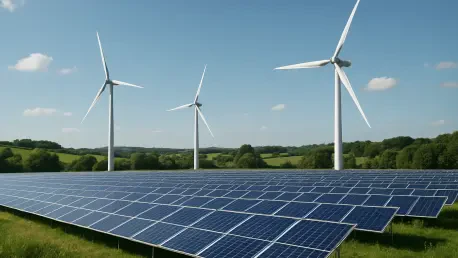

In a striking reversal that has sent shockwaves through the clean energy industry, Queensland is actively curtailing its development of new large-scale renewable projects, signaling a significant strategic realignment toward existing energy infrastructure. This policy pivot, exemplified by a state-owned utility’s recent decision to back out of a major wind farm development, raises critical questions about the state’s long-term commitment to its green transition and the future of renewable investment in the region. The move appears to contradict the global push toward decarbonization, creating a climate of uncertainty for developers and investors who once viewed the state as a burgeoning hub for clean power innovation. This shift forces a reevaluation of Queensland’s energy roadmap, which now seems to favor fossil fuels and operational renewable assets over the ambitious construction of new green facilities.
A Strategic Pivot Away from New Renewables
The Moah Creek Cancellation
The most concrete evidence of this policy shift comes from the state-owned utility CleanCo, which recently announced the cancellation of its involvement in the planned 360-megawatt Moah Creek wind project. This development was poised to be a significant addition to Queensland’s renewable capacity, representing a substantial investment in new green infrastructure. The decision to withdraw from such a large-scale project is not merely a single business calculation but a clear reflection of a broader, government-led strategy. By stepping away from Moah Creek, CleanCo has effectively signaled that the state’s priorities have moved away from expanding the renewable portfolio through new construction. This action has created a chilling effect across the sector, as other developers now face the reality that state support for pioneering projects is no longer a given. The cancellation serves as a powerful symbol of the government’s changing energy philosophy, which is now visibly impacting tangible developments on the ground and altering the investment landscape for the foreseeable future.
Instead of proceeding with the new Moah Creek facility, CleanCo has opted to secure its energy supply through a 10-year power purchase agreement (PPA) with the established Kennedy Energy Park. This agreement, set to begin in 2028, will provide CleanCo with 32 MW of power, which accounts for 75% of the output from the park’s wind component and is sufficient to supply electricity to approximately 20,000 homes. The Kennedy Energy Park, which has been operational since 2021, is a noteworthy facility in its own right, integrating wind, solar, and battery storage technologies into a single, cohesive system. This strategic move to partner with an existing, operational asset underscores the government’s preference for leveraging current infrastructure over investing in the construction of new projects. By choosing to buy power from a proven source rather than building one, the state is prioritizing stability and immediate returns, effectively placing a moratorium on the kind of large-scale greenfield developments that are essential for long-term renewable energy growth.
Underlying Government Policy Shifts
The decision made by CleanCo is a direct consequence of the Queensland government’s radically altered energy roadmap, which has fundamentally reshaped the state’s approach to power generation. This new strategy involves several key changes, including the complete removal of renewable energy targets that once guided the state’s transition. Furthermore, the government has extended the operational timeline for existing coal-fired power plants until at least 2050 and has begun redirecting public funding back toward fossil fuel industries. Perhaps the most impactful element of this new policy is the explicit exclusion of new large-scale renewable projects from any form of state support until at least 2035. This 11-year pause on new developments creates a significant barrier for the clean energy sector, effectively freezing major investments and halting the progress that had been made in recent years. This top-down directive provides the foundational logic for why state entities like CleanCo are now prioritizing established assets over new ventures, aligning their commercial decisions with the government’s fossil fuel-friendly stance.
This overarching policy has fostered a clear consensus within state-owned entities to prioritize existing energy assets, including both operational renewables and conventional fossil fuel plants. The government’s directive is not a subtle suggestion but a firm mandate that dictates investment and planning decisions across the public sector. This approach is designed to create short-term energy security and price stability by relying on proven, existing infrastructure. However, this focus on the present comes at a significant long-term cost, stifling innovation and delaying the crucial expansion of Queensland’s green energy capacity. By championing existing assets, the policy actively discourages the very investments needed to achieve a sustainable energy future. The result is a strategic pivot that favors the status quo, ensuring that the development of new, large-scale clean energy projects will remain stalled for more than a decade, fundamentally altering the state’s trajectory toward decarbonization.
The Ripple Effect Across the Energy Sector
Widespread Uncertainty and Project Stalls
The immediate consequence of this policy realignment has been the creation of significant turbulence and uncertainty throughout Queensland’s renewables sector. The sudden shift has left developers in a state of limbo, with many projects now required to resubmit their planning proposals under a new and more restrictive framework. Currently, four major renewable developments are under a comprehensive review, their futures hanging in the balance as they await clarification on the state’s new priorities. The Moah Creek project, despite its developers actively seeking alternative financing, now faces a precarious and uncertain path forward without the backing of a state-owned utility. This climate of instability directly undermines the government’s parallel efforts to promote specific regions, such as Hughenden, as future “strategic energy hubs.” Such a designation is rendered almost meaningless when the administration’s own policies are actively discouraging the large-scale renewable investments required to bring these hubs to life.
This contradictory approach has fostered a confusing and challenging environment for the entire renewable energy industry. On one hand, the government continues to use ambitious language about creating strategic energy centers, suggesting a commitment to a modern, diversified power grid. On the other hand, its official policies have effectively slammed the brakes on the development of the very projects needed to realize this vision. This inconsistency sends mixed signals to investors, who are now hesitant to commit capital to a market that appears to be actively working against its own stated goals. The result is a growing sense of disillusionment and frustration within the sector, as companies that were once encouraged to invest in Queensland’s green future now find themselves navigating a landscape of canceled agreements, stalled projects, and a government that seems to have abandoned its commitment to the clean energy transition. This policy whiplash not only jeopardizes individual projects but also threatens to inflict long-lasting damage on the state’s reputation as a reliable and forward-thinking destination for renewable investment.
A Contradictory Vision for the Future
The conflicting narratives emerging from the Queensland government have created a deep sense of ambiguity about the state’s genuine energy ambitions. Publicly, officials continue to champion the idea of a high-tech, renewables-powered future, pointing to the potential of designated energy hubs to attract investment and drive economic growth. These pronouncements paint a picture of a government committed to innovation and sustainability. However, the practical application of its new energy policy tells a starkly different story—one that prioritizes the longevity of fossil fuels and relies on the output of existing, rather than new, renewable sources. This fundamental disconnect between rhetoric and reality has made it exceedingly difficult for industry stakeholders to align their long-term strategies with the government’s vision. The policy framework actively disincentivizes the very actions needed to build a green energy future, creating a significant credibility gap that undermines confidence in the state’s leadership on this critical issue.
This policy dissonance ultimately risks positioning Queensland as a laggard in the global energy transition, rather than the leader it has often claimed to be. While other regions are accelerating their shift toward clean energy by incentivizing new large-scale projects, Queensland’s decision to pause development until 2035 could leave it reliant on aging, carbon-intensive infrastructure. The mixed messaging not only confuses and deters potential investors but also calls into question the sincerity of the state’s long-term environmental and economic goals. By simultaneously promoting green energy hubs while enacting policies that stifle their growth, the government has fostered an environment of paralysis. This has left the industry to grapple with a central paradox: a state with immense renewable potential that has deliberately chosen to halt its own progress, thereby jeopardizing its opportunity to become a true powerhouse in the clean energy economy of the future.
A Shift in Priorities
Queensland’s recent policy changes reflected a decisive turn away from the expansion of its renewable energy sector. The cancellation of new projects and the renewed emphasis on fossil fuels and existing assets signaled a clear prioritization of short-term stability over long-term green development. This strategic pivot created significant uncertainty, stalling progress and leaving the future of the state’s energy transition in a state of profound ambiguity. The decisions made during this period ultimately reshaped the investment landscape and set a new, more cautious course for Queensland’s role in Australia’s broader energy future.