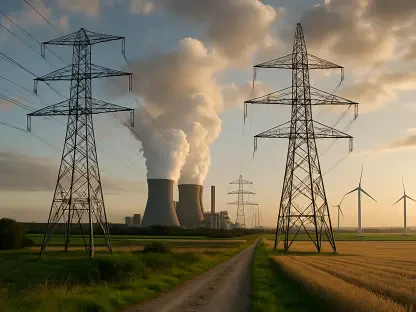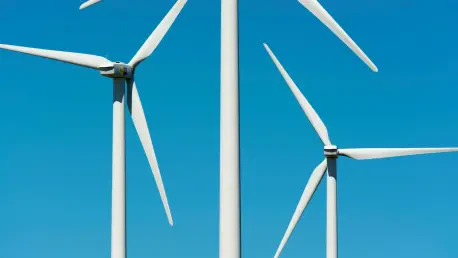

The successful navigation of federal environmental hurdles marks a pivotal moment for Queensland’s renewable energy sector as the Tarong West Wind Farm moves closer to becoming a reality in the South Burnett region. This massive project, spanning 19,000 hectares of farmland, is designed to house 97 advanced turbines generating 436.5 megawatts of clean electricity. By providing enough power for approximately 230,000 Australian homes, the facility represents a cornerstone of the state’s transition away from fossil fuels. What distinguishes this development is its ownership model, as it is slated to be entirely publicly owned by Stanwell Corp. Backed by a 776 million dollar underwriting commitment, the initiative reflects a strategic push toward public control over utility assets while meeting carbon goals. This development by the renewables firm RES ensures that the state retains a direct stake in the energy transition, providing a stable foundation for the region’s future power needs and economic growth.
Regulatory Compliance and Environmental Safeguards
Securing federal clearance under the Environment Protection and Biodiversity Conservation Act required addressing complex ecological concerns through stringent conditions. Because the site shares space with diverse wildlife, the project must adhere to habitat limits for several endangered species, including the koala and the south-eastern glossy black cockatoo. A comprehensive Bird and Bat Management Plan is a mandatory requirement, which must be submitted to the federal environment minister at least one year before commissioning. This document will detail essential strategies for mitigating collision risks and monitoring local avian populations. Beyond biological safeguards, the approval mandates a proactive worker accommodation strategy. This measure is intended to insulate the local housing market from the influx of construction personnel, ensuring that the project does not drive up rental prices or displace residents. Such integrated planning is vital for maintaining the social license required to operate large-scale infrastructure projects.
Strategic Integration and Future Considerations
The finalization of state approvals and the completion of grid connection agreements with AEMO established a clear pathway for the late 2026 construction phase. As the project moved forward, it solidified its role within the Queensland Energy Road Map, proving that green assets could be balanced with regional stability. Moving forward, the industry should prioritize early engagement with regulators to streamline the approval process for public utilities. Future renewable projects should adopt this model of integrating social impact assessments directly into the planning phase to maintain community support. Stakeholders are encouraged to refine biodiversity mitigation technologies, such as automated turbine shutdown systems during migratory periods. This proactive approach will be essential as the grid continues to evolve, ensuring that the pursuit of energy security does not come at the expense of local ecological health. By focusing on sustainable logistics and habitat preservation, the energy sector can set a global benchmark for responsible development.