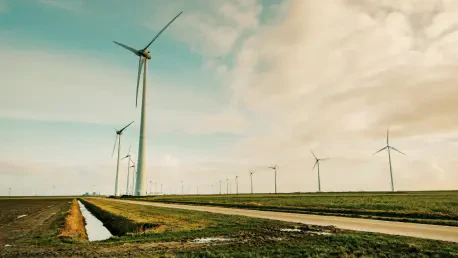

The delicate balance between expanding renewable energy infrastructure and preserving critical ecological sanctuaries has reached a definitive turning point in the Samar region. The transition to green power often presents a paradox where the tools meant to combat climate change inadvertently threaten local biodiversity and water security. In Calbayog City, a P20-billion wind energy initiative spearheaded by Vena Energy and Gemini Wind Energy Corp recently became the center of this debate. The project, designed to generate a staggering 304 megawatts of power, initially proposed a layout that encroached upon the Calbayog Pan-as Hayiban Protected Landscape. This area serves as a vital watershed for the local population and is protected under the National Integrated Protected Areas System Act. As the demand for sustainable energy grows from 2026 to 2030, the pressure to utilize high-altitude, wind-rich locations has collided with the necessity of maintaining the integrity of protected landscapes. This situation highlights the complex negotiations required when national energy goals meet local environmental mandates.
Balancing Ecological Integrity with Modern Power Requirements
The original development plan envisioned 37 massive wind turbines scattered across the rugged terrain of Calbayog City and San Isidro. While the technological promise of such a facility is immense, environmental assessments revealed that 13 of these turbines were positioned directly within the boundaries of the city’s primary watershed. This sparked immediate concern from the Save Calbayog Rivers Foundation and various local stakeholders who prioritized water security over industrial expansion. The advocates argued that the installation of heavy machinery and the construction of access roads could lead to soil erosion and the contamination of the water supply that thousands of residents depend on daily. By mid-2026, the dialogue between the developers and the community shifted from a position of outright opposition to one of tactical modification. The core of the issue was not the rejection of renewable energy itself, but rather the demand for a site-specific strategy that respects the unique hydrology of the Samar province.
In response to these mounting concerns, the project developers agreed to scrap five of the most controversial turbines originally slated for the protected watershed zones. This decision was not merely a logistical adjustment but a significant concession to the principles of scientific rigor and environmental stewardship. Experts have emphasized that moving forward requires more than just removing turbines; it necessitates comprehensive Environmental Impact Assessments and detailed hydrological mapping to ensure the remaining 32 units do not disrupt the subterranean water flow. This approach marks a departure from standard development models, favoring a customized framework that incorporates biodiversity audits as a prerequisite for construction. As the project timeline extends from 2026 into the next several years, the focus has shifted toward integrating advanced monitoring systems to track soil stability and forest cover. This rigorous vetting process ensures that the wind farm operates in harmony with the local ecosystem, providing a template for how large-scale energy projects can be adapted to fit sensitive environments.
Strategic Shifts in Renewable Infrastructure Implementation
The modified wind project is poised to transform Calbayog into a significant renewable energy hub, with a total capacity that dwarfs the city’s current demand of 20 megawatts. This surplus energy is expected to stabilize the regional grid and provide a reliable source of green power for the broader Eastern Visayas area. Beyond the immediate energy benefits, the initiative represents a substantial economic investment that could stimulate local employment and infrastructure development. However, the success of this hub depends on the sustained cooperation between the provincial government and private developers. Local leaders have remained firm in their stance that economic growth should never compromise the safety or resources of the populace. The 304-megawatt capacity demonstrates the high potential for Samar to contribute to national decarbonization targets from 2026 and beyond. By prioritizing responsible development, the city avoids the pitfalls of rapid industrialization while securing its place in the modern energy economy. This strategic positioning allows the region to attract further investment without sacrificing the environmental assets that define its identity.
The resolution of the conflict over the Calbayog Pan-as Hayiban Protected Landscape established a clear path for future renewable energy ventures to follow. Developers and local officials finalized a revised layout that successfully protected the most sensitive areas of the watershed while maintaining the project’s overall viability. This outcome demonstrated that the integration of community-led advocacy and professional environmental analysis could yield a sustainable framework for industrial progress. Moving forward, the adoption of mandatory biodiversity audits and real-time hydrological monitoring became the standard operating procedure for all large-scale infrastructure projects in the region. The city council implemented stricter zoning regulations that clearly demarcated protected zones, ensuring that future energy roadmaps from 2026 onward remained aligned with ecological preservation goals. These actions provided a concrete solution to the tension between development and conservation, proving that energy independence was achievable through a collaborative, science-based approach. The project ultimately served as a vital case study for balancing the urgent need for power with the timeless necessity of environmental protection.