
Market fragmentation across Europe means that success now depends on a granular understanding of specific geographies, technologies, and individual contractual frameworks. The sudden shift in global trade routes and the precarious nature of maritime passages have forced a radical rethink of how
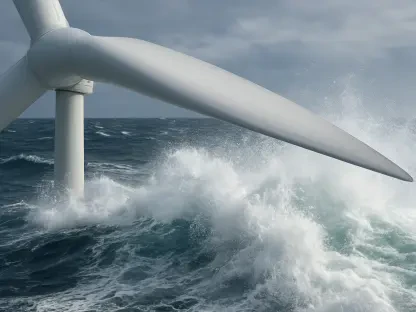
By aligning experimental erosion models with IEA Wind Task 46 morphological categories, researchers have established a roadmap for the financial consequences of surface degradation. This pioneering investigation conducted at the University of Stavanger moves past qualitative observations to
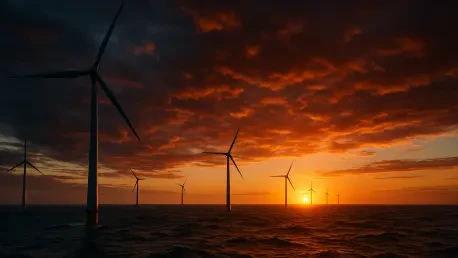
With a formal call for bids scheduled for the winter of 2027, the Canadian government is moving to de-risk private sector participation in the burgeoning offshore wind market. This initiative, officially unveiled on October 15, 2026, in Dartmouth, involves a substantial $100-million investment
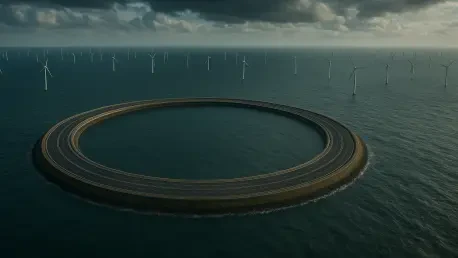
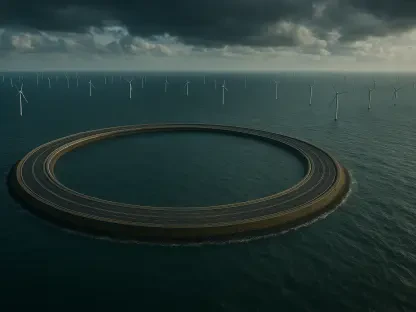
Engineers are filling the interior of the Belgian island with two million cubic meters of sand, which is then stabilized using a process known as vibroflotation. This colossal undertaking marks a pivotal moment in maritime engineering as the world transitions from simple offshore wind turbines to
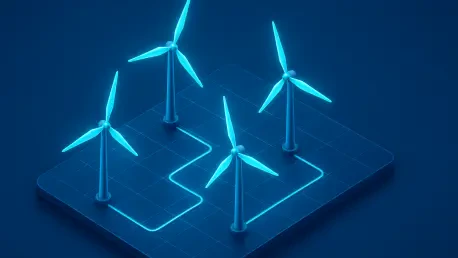
The specialized FLOWERS method provides a high-speed mathematical alternative that bypasses the need for dense wind direction grids without sacrificing the quality of the final layout. As wind energy production continues to expand into deeper offshore waters in 2026, the physical phenomenon known

Analyzing the distribution and variance of sensor values over short intervals allows for the detection of measurement deviations that signal a looming peak. This technological leap addresses the central vulnerability of airborne wind energy, a field that replaces static turbines with dynamic,
1 2 3 4 5 6 7 8 9 10 11 12 13 14 15 16 17 18 19 20 21 22 23 24 25 26 27 28 29 30 31 32 33 34 35 36 37 38 39 40 41