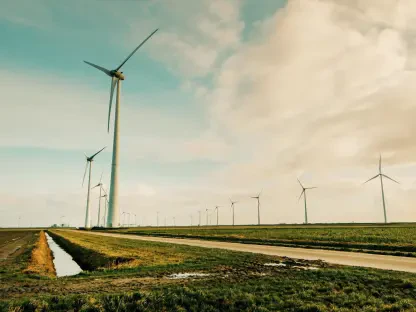
In a significant policy shift, President Donald Trump signed an executive order imposing stricter controls over wind and solar energy projects, directing attention to a major facet of his administration's energy policy strategy. This measure instructs the Secretary of the Treasury to develop

In a notable departure from prior U.S. energy strategies, President Donald Trump signed an executive order that significantly reshapes the nation’s energy policy landscape by deprioritizing renewable energy. The executive order, part of the One Big Beautiful Bill Act, reduces support for renewable

Amid the national discussion on federal renewable tax credit cuts, Kansas finds itself at a critical juncture with significant repercussions for its energy landscape. As policymakers debate these potential changes, Kansas's green energy sector is bracing for economic ramifications. This analysis
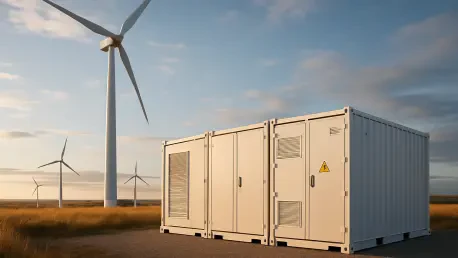
In the swiftly evolving energy sector, firms pivot to embrace diversified approaches, integrating multiple technologies to respond to new challenges and opportunities. Sonnedix, a renowned global player, stands at the forefront of this transformation. The company's emphasis on wind energy and
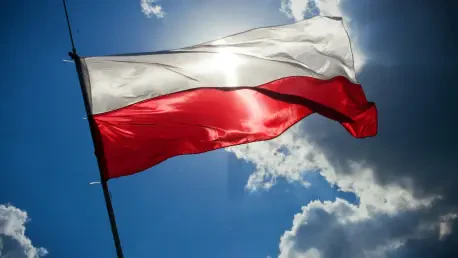
Poland's energy sector is experiencing a significant transformation as renewable energy sources surpass coal in electricity generation, marking a pivotal shift. In June 2025, renewables contributed 44.1% of the country's electricity, slightly edging out coal at 43.7%. This development serves as
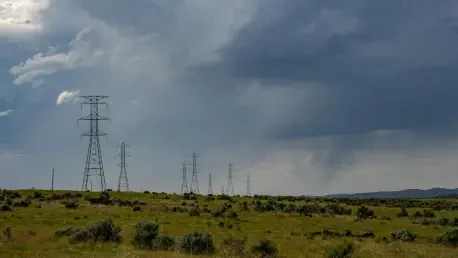
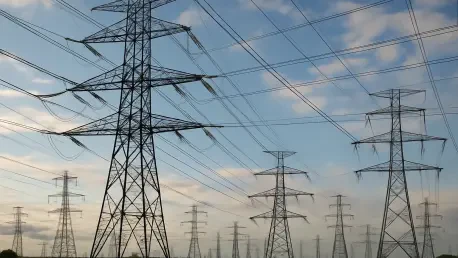
A recent meeting of the Federal Energy Regulatory Commission (FERC) has placed a spotlight on a pressing challenge confronting the nation's power infrastructure: the ability of grid operators to maintain stability amid extreme weather conditions. Dominated by the voices of leaders like FERC