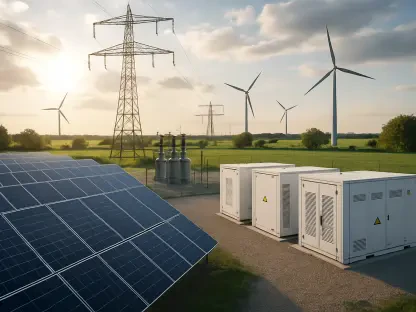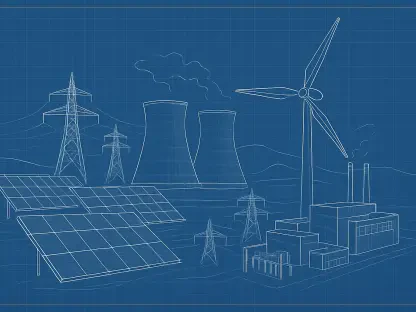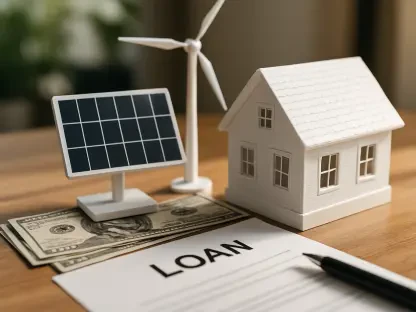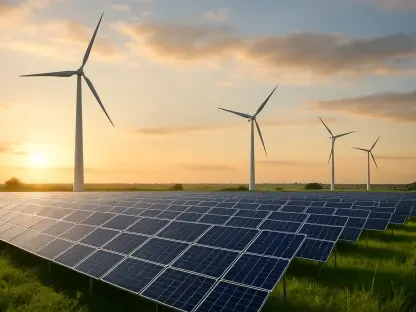
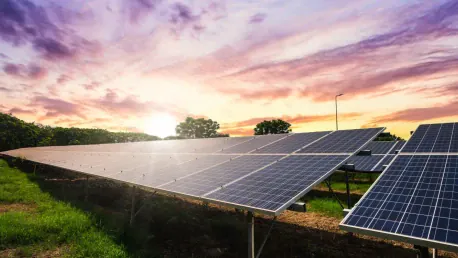
The U.S. Department of Energy (DOE) recently announced a substantial $1.8 billion loan guarantee for Arizona Public Service (APS), aimed at boosting the state's clean energy initiatives. The agency's backing will fund several key projects intended to enhance renewable power generation and the

With the world facing unprecedented environmental challenges, the U.S. Department of Energy (DOE) has announced two major initiatives to advance clean energy and bolster grid resilience. These initiatives include significant investments totaling $132 million, aiming to foster technological
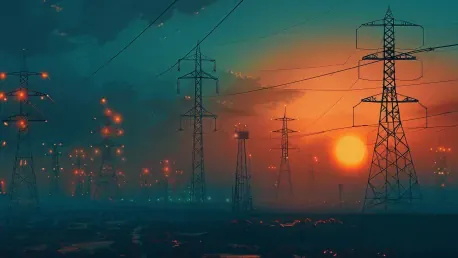
The global shift from fossil fuels to renewable energy sources is significantly transforming power grids, presenting both challenges and opportunities. This transition is impacting grid reliability, environmental factors, and economic challenges, while also pushing for the adoption of advanced

In an effort to provide local municipalities with more power over the construction of renewable energy projects, Republican lawmakers in Wisconsin have reintroduced a piece of legislation that has sparked significant debate. Senate Bill 3, if passed, would mandate that renewable energy developers

The recent developments in the Department of Energy's projection for over 16 gigawatts of new capacity from offshore wind power projects in the Philippines pave the way for a potential transformation of the country's energy landscape. The DoE's proactive stance towards wind energy reflects the
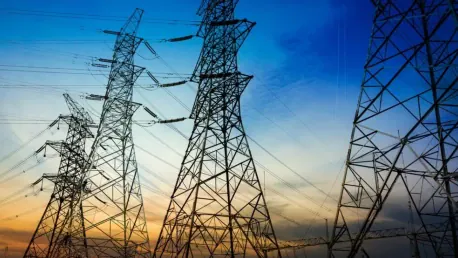
Louisiana residents are grappling with some of the highest electricity bills in the nation, coupled with one of the least reliable electric grids. A detailed report by the Louisiana Legislative Auditor's Office, titled “Louisiana’s Electric Profile,” sheds light on the inefficiencies and challenges