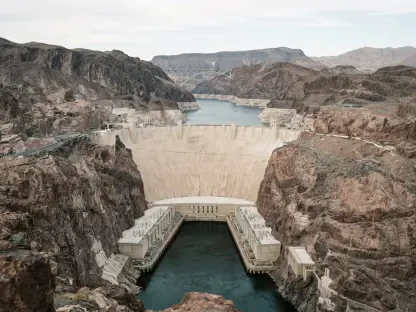
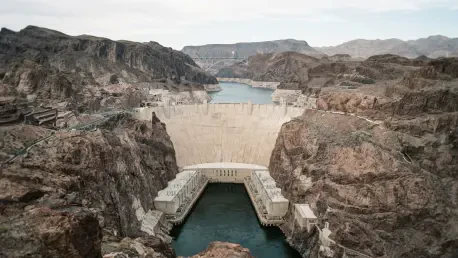
Proactive adaptation and strategic planning have become essential for small businesses trying to navigate the rising rates associated with water shortages. The Southwestern United States is currently navigating a period of unprecedented hydrological stress, as the historical reliability of the
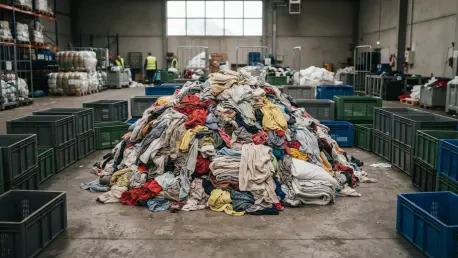
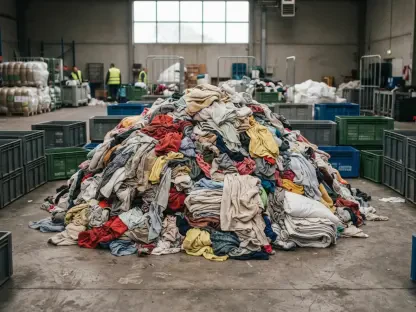
Despite the widespread availability of curbside recycling programs across Southern California, many residents remain unaware that thousands of tons of hazardous materials and textiles still end up in regional landfills every single year. While the standard blue bin accepts plastic bottles and

The future of the E-rate program remains a primary point of contention as nominees refuse to prejudge the legal boundaries of the commission’s power to reduce service. During a recent session of the Senate Committee on Commerce, Science, and Transportation, the atmosphere shifted from a standard
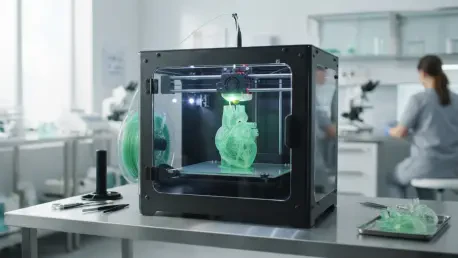
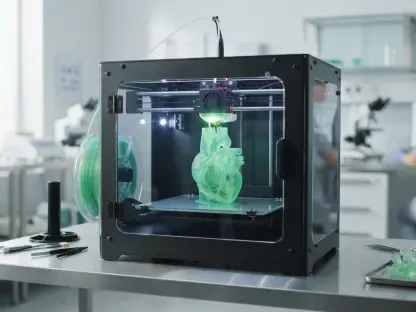
A collaborative study between researchers and industrial partners has successfully validated the use of chemically recycled feedstock for non-implantable medical devices. As healthcare facilities worldwide grapple with the environmental consequences of single-use plastics and manufacturing waste,
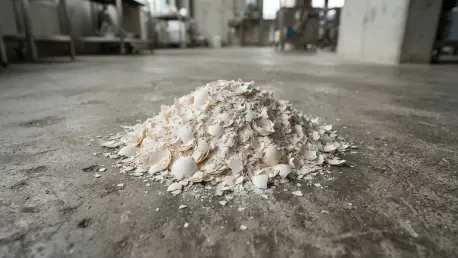
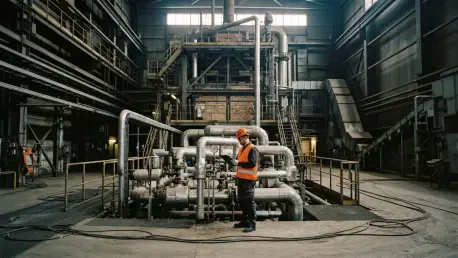
Traditional carbon dioxide removal methods like chemical absorption and cryogenic distillation are notoriously energy-intensive and operationally complex compared to modern membrane-based separation. As the global community strives to mitigate the escalating climate crisis, the pursuit of efficient
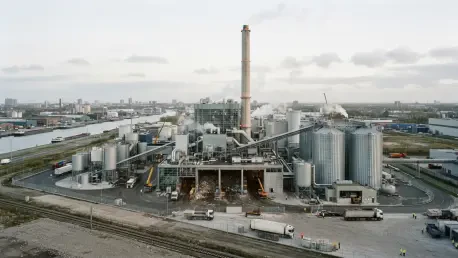
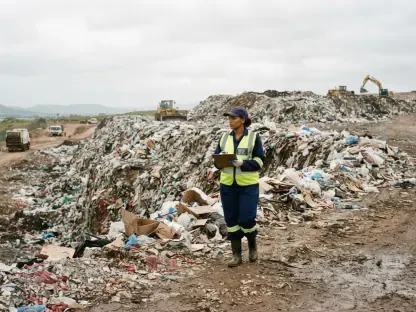
Establishing a scalable blueprint for waste management in new residential cities is essential for tackling Kuwait's massive 40-million-ton annual trash output, especially as urban expansion accelerates and traditional reliance on sprawling landfills becomes an unsustainable burden on both the
1 2 3 4 5 6 7 8 9 10 11 12 13 14 15 16 17 18 19 20 21 22 23 24 25 26 27 28 29 30 31 32 33 34 35 36 37 38 39 40 41 42 43 44 45 46 47 48 49 50 51 52 53 54 55 56 57 58 59 60 61 62 63 64 65 66 67