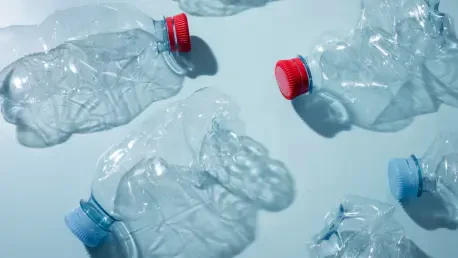

Picture a landfill in Mexico, piled high with discarded plastic wrappers and bags, a silent testament to a growing environmental crisis that threatens ecosystems and communities alike. Each year, millions of tons of plastic waste accumulate, with flexible packaging forming a hefty chunk that traditional recycling can’t touch. Amid this daunting challenge, a powerful collaboration between Aduro Clean Technologies, a Canadian innovator, and ECOCE, a Mexican environmental nonprofit, has emerged as a beacon of hope. This partnership, which kicked off early this year, is testing groundbreaking solutions to transform hard-to-recycle plastics into valuable resources, potentially reshaping waste management not just in Mexico, but globally.
Why This Alliance Matters
The significance of this joint effort cannot be overstated. Mexico generates a staggering six to seven million metric tons of plastic waste annually, and flexible plastic packaging—think snack wrappers and multilayered bags—accounts for about 1.5 million tons of that total. Unlike more recyclable materials like PET bottles, these plastics often end up in landfills or as environmental pollutants due to their complex composition. The collaboration between Aduro and ECOCE aims to address this critical gap, focusing on a waste stream that has long evaded sustainable solutions. If successful, their work could set a precedent for managing one of the toughest environmental challenges of the modern era.
Moreover, this partnership is not just about technology; it’s about proving that innovation can align with real-world needs. By targeting a specific, high-volume problem in a country grappling with waste management, the initiative offers a blueprint for localized, impactful change. It underscores a growing realization that plastic pollution demands tailored approaches, blending cutting-edge science with on-the-ground expertise to create lasting impact.
Unpacking the Plastic Problem in Mexico
Diving deeper into the crisis, the sheer scale of plastic waste in Mexico paints a sobering picture. With per capita plastic waste reaching around 60 kilograms annually, the nation faces a deluge of discarded materials that strain existing systems. Flexible plastics, used widely in everyday packaging, stand out as a particularly thorny issue due to their mix of polymers, inks, and adhesives. These characteristics make them incompatible with mechanical recycling, leading to low recovery rates and high environmental leakage.
Compounding the problem is the rapid rise in consumption. As consumer goods become more accessible, the volume of flexible plastics continues to grow, outpacing even PET containers by a factor of 1.6. Without viable recycling options, much of this material becomes a permanent burden on landfills or, worse, pollutes rivers and oceans. This dire scenario highlights the urgent need for innovative approaches, setting the stage for the kind of pioneering work Aduro and ECOCE are undertaking.
Inside the Partnership: Goals and Groundbreaking Tech
At the core of this collaboration lies a shared mission to turn plastic waste into a resource rather than a liability. The project zeroes in on flexible plastics, aiming to divert them from harmful disposal methods through advanced recycling techniques. Both organizations bring unique strengths to the table, combining technical innovation with local knowledge to tackle a deeply rooted issue.
Aduro’s contribution centers on its Hydrochemolytic Technology (HCT), a chemical recycling process that breaks down mixed and contaminated plastics into liquid hydrocarbons. These can serve as feedstocks for petrochemical industries, offering a second life to materials previously deemed unrecyclable. The ongoing tests, conducted with real Mexican waste, are designed to assess HCT’s effectiveness and scalability, with an eye toward practical implementation.
On the other side, ECOCE provides critical access to representative waste samples and insights into Mexico’s packaging value chain. As the overseer of the country’s packaging management plan, representing major industry players, ECOCE ensures that solutions are grounded in the realities of local systems. Their involvement guarantees that the project addresses specific challenges, from collection to integration, paving the way for outcomes that can be adopted seamlessly.
Perspectives from the Pioneers
Leadership voices add depth to the story behind this initiative. Adrián Velasco, ECOCE’s director of flexible plastic packaging, has been vocal about the pressing need to manage these problematic materials. “Flexible plastics often end up as waste because current systems can’t handle them,” Velasco noted, emphasizing the environmental toll of inaction. His perspective reflects a broader industry concern about sustainability gaps that must be closed.
Similarly, Ofer Vicus, CEO of Aduro, has highlighted the strategic fit of this partnership. “Working with ECOCE gives access to a network that’s central to Mexico’s waste ecosystem,” Vicus stated, pointing to the potential for scaling solutions through such alliances. His optimism is bolstered by tangible steps, like ECOCE’s visit to Aduro’s pilot plant in London, Ontario, earlier this year, a move that strengthened mutual understanding and set the tone for collaborative progress.
Building Blocks of a Circular Future
The practical roadmap laid out by this partnership offers a glimpse into how systemic change can take shape. Testing is structured meticulously, starting with lab assessments and scaling up to pilot demonstrations at Aduro’s facilities. ECOCE supplies authentic postconsumer waste from Mexico, ensuring that results reflect local conditions, while both parties evaluate key metrics like yield and product quality.
Beyond the lab, stakeholder engagement plays a vital role. Aduro presented its plans to ECOCE’s full membership in Guadalajara late last year, fostering transparency and aligning with industry priorities. This open dialogue builds trust and ensures that solutions resonate with those who will ultimately adopt them, creating a model for inclusive innovation.
Economic viability also remains a focal point. The collaboration explores business models that could benefit ECOCE’s members, waste collectors, and downstream industries using recycled hydrocarbons. By linking environmental goals with profitable outcomes, the project demonstrates that sustainability can drive economic value, a balance critical for widespread adoption.
Reflecting on a Milestone Effort
Looking back, the alliance between Aduro and ECOCE stood as a pivotal moment in the fight against plastic pollution in Mexico. Their combined efforts tackled an issue that had long seemed insurmountable, bringing fresh hope to a landscape burdened by waste. The rigorous testing and genuine collaboration showcased what was possible when technology met local expertise.
Moving forward, the outcomes of this project offered a clear path for others to follow. Scaling chemical recycling technologies like HCT could redefine waste management, particularly in regions overwhelmed by flexible plastics. Policymakers, industries, and communities alike could draw inspiration from this model, investing in innovative partnerships to build a more sustainable world. The journey, though just beginning, pointed toward a future where plastic waste might no longer be a crisis, but a resource waiting to be reclaimed.