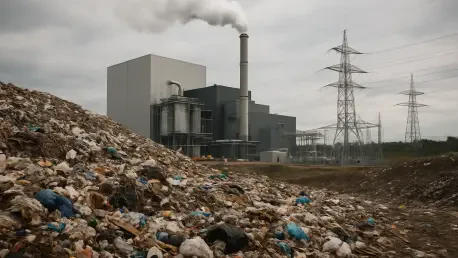

As urban centers across the globe grapple with ever-expanding mountains of municipal solid waste, the search for sustainable and innovative solutions has become increasingly urgent, pushing communities to reimagine garbage not as a final product but as a potential resource. In a groundbreaking move, Bacolod City is pioneering a transformative initiative in partnership with the Philippine Department of Energy, aiming to tackle its pressing waste management challenges head-on. The city is set to establish the 25.7-hectare Bacolod Integrated Recycling and Technology Hub (BIRTH), an ambitious project designed to house a waste-to-energy industrial zone. This forward-thinking approach positions Bacolod as one of the first local governments outside the national capital region to implement such a program, setting a powerful precedent for how cities can convert a persistent liability into a source of renewable energy and environmental progress. The initiative represents a cornerstone of a larger strategic vision, promising a cleaner, more sustainable future by turning daily refuse into power for its residents.
A New Chapter in Urban Waste Management
The BIRTH of a Sustainable Solution
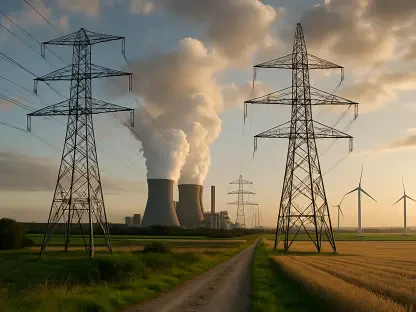
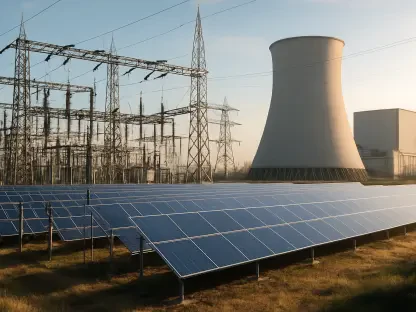
The Bacolod Integrated Recycling and Technology Hub is the centerpiece of the city’s comprehensive 10-year solid waste management plan, which runs from 2024 to 2033. Located in Barangay Felisa, strategically adjacent to the city’s current landfill, this expansive industrial zone is engineered to be more than just a disposal site; it is a sophisticated processing center. The facility is designed with the capacity to convert the city’s non-recyclable residual waste into as much as 15 megawatts of electricity, a significant contribution to the local power grid. This project is not merely an upgrade to existing infrastructure but a fundamental shift in the city’s approach to waste. By adopting advanced waste treatment technologies, Bacolod aims to set a new standard for environmental stewardship while strictly adhering to existing ecological laws. The initiative marks a pivotal step for the city, moving it from a traditional landfill-dependent model to a modern, resource-recovery framework that addresses both waste volume and energy needs simultaneously, making it a pioneering effort in the region.
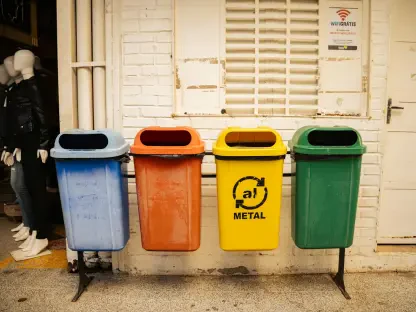
A crucial aspect that has garnered consensus among stakeholders is the project’s strict adherence to the established waste management hierarchy. City officials and project partners have repeatedly emphasized that the waste-to-energy facility is not a primary disposal method but the final, conclusive step in a much broader process. The city’s foremost priorities remain anchored in traditional and proven waste reduction strategies, including robust programs for segregation at the source, comprehensive recycling initiatives, and composting of organic materials. The WtE component is specifically designed to handle only residual waste—the fraction of garbage that remains after all other avenues for reduction, reuse, and recycling have been thoroughly exhausted. This clear and deliberate placement within the hierarchy effectively alleviates common concerns that such technologies might inadvertently discourage public participation in recycling programs. Instead, it positions the facility as a complementary tool that completes the waste management cycle, ensuring that only the most challenging materials are used for energy generation.
Learning from Global Leaders
This ambitious initiative in Bacolod is not being developed in a vacuum; it is modeled after highly successful and long-standing waste management systems in developed nations like Japan, Singapore, and Sweden. These countries have perfected the art of integrating waste-to-energy technology as a final, complementary step in a holistic environmental strategy. In these international models, the primary focus is always on maximizing resource recovery through extensive recycling and composting programs. Only after these efforts are exhausted is the remaining, non-recyclable waste directed to WtE facilities. This approach has proven to be both economically viable and environmentally responsible, transforming urban waste from a disposal problem into a valuable domestic energy source. By studying and adapting these proven frameworks, Bacolod is leveraging decades of global expertise to build a system that is not only technologically advanced but also philosophically sound, ensuring that energy conversion supports, rather than supplants, critical recycling and waste reduction goals.
The anticipated benefits of the BIRTH hub extend far beyond simple waste disposal, promising significant financial and environmental returns for Bacolgiod City. Economically, the project offers a direct solution to the escalating costs associated with traditional landfills. Acquiring land for new dumpsites is a major and recurring financial burden for growing urban areas, a cost that this initiative will help the city avoid for the foreseeable future. Environmentally, the reduction in landfill dumping will lead to decreased soil and water contamination and lower methane emissions, a potent greenhouse gas produced by decomposing organic matter in landfills. By transforming residual waste into electricity, the city converts a significant liability into a tangible asset. This process not only provides a new source of local energy but also contributes to cleaner streets and a healthier urban environment. The city government anticipates that the BIRTH hub will foster a more sustainable community without imposing the heavy financial and ecological costs of perpetual landfill expansion.
A Unified Vision for a Cleaner Bacolod
Community Endorsement and Cautious Optimism
The project has received multifaceted endorsements from a diverse range of community leaders, each highlighting different aspects of its potential impact. Atty. Juliana Carbon of the Metro Bacolod Chamber of Commerce and Industry underscored the project’s critical necessity, pointing to the alarming rate at which existing landfills are reaching capacity. She emphasized that embracing new technology is no longer an option but a requirement to manage the sheer volume of urban garbage. Similarly, Dionisio Dela Cruz of the Bacolod Anti-Baha Alliance, who initially expressed reservations, now fully supports the initiative after gaining a clear understanding of its role. He views the facility as a vital tool to complement, not replace, ongoing efforts, recognizing its placement at the very end of the waste hierarchy. This structured approach assures him that the focus remains on reduction and recycling. This broad base of support from business and environmental advocacy groups signals a growing community consensus on the project’s strategic importance for the city’s long-term sustainability.
Further perspective comes from the religious community, with Fr. Julius Espinosa of the Diocese of Bacolod commending the project’s innovative spirit while introducing a crucial point of consideration. He stressed that the ultimate success of the WtE facility depends not just on its technological efficiency but on the city’s parallel commitment to minimizing waste generation at its source. Fr. Espinosa called for stronger and more consistent implementation of existing local ordinances, such as those targeting the reduction of single-use plastics. He argued that robust enforcement of such policies is essential to shrink the volume of residual waste that will eventually need to be processed. His viewpoint serves as a vital reminder that technology alone is not a panacea; it must be paired with proactive public policy and community discipline. This holistic perspective, which marries technological advancement with foundational waste reduction efforts, is essential for achieving a truly sustainable environmental outcome for Bacolod City.
The Path Forward
With a strong framework in place and growing support from various sectors, the Bacolod Integrated Recycling and Technology Hub project represented a pivotal moment for the city. The detailed proposal, which carefully outlined the technological, environmental, and economic facets of the initiative, awaited formal adoption by the city council. Following local approval, the plan was slated for submission to the National Solid Waste Management Commission, a necessary step for ensuring alignment with national environmental standards and policies. This procedural path highlighted the meticulous planning and collaboration that underpinned the project. The journey from conception to implementation was a testament to the city’s commitment to finding a lasting and responsible solution to its waste challenges. The successful navigation of these legislative and regulatory milestones was seen as the final step in turning a visionary concept into a tangible reality that could redefine urban sustainability in the Philippines.