
Cambodia is confronting a staggering environmental challenge, with pervasive plastic pollution threatening its landscapes and waterways due to widespread consumption of single-use plastics and a critically underdeveloped waste management infrastructure. The nation currently processes a mere 10% of its recyclable waste annually, a situation exacerbated since China’s 2017 ban on plastic waste imports left Southeast Asian countries to manage their own mounting refuse. This overwhelming accumulation of plastic not only poses a direct threat to public health and biodiversity but also represents a missed economic opportunity. In the face of this crisis, a significant industrial development is taking shape in Pursat province, promising to transform an environmental liability into a cornerstone of a new, sustainable economy and offering a potential blueprint for tackling the plastic problem head-on. This initiative aims to establish a robust, modern recycling infrastructure capable of reshaping the country’s relationship with plastic.
A Technological and Economic Turning Point
A landmark $29 million facility, spearheaded by the Hong Kong-based company A1 Plastics, is poised to become a central pillar in Cambodia’s burgeoning green economy, with construction now underway in the Krakor district of Pursat province. Since breaking ground in January, the project is on track to begin operations by the end of 2026, occupying an expansive 45,000-square-meter site. This plant is engineered to process up to 44,000 tons of used food-grade polyethylene terephthalate (PET) plastic each year, a massive leap forward for the country’s recycling capabilities. The core mission is to transform discarded plastic bottles into high-quality, reusable pellets, creating a closed-loop system that supports a circular economy. These recycled materials are destined for domestic textile, food, and beverage industries, providing a low-carbon-footprint alternative to virgin plastics. This venture directly aligns with the Cambodian government’s strategy, as highlighted by Minister of Mines and Energy Keo Rottanak, to attract environmentally conscious industries that generate green jobs and reinforce national commitments to sustainable development.
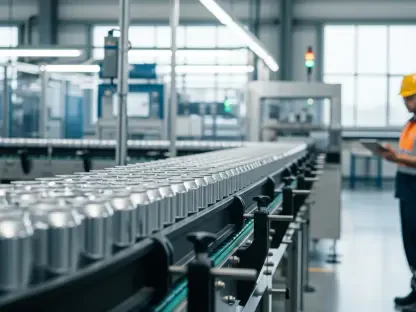
The operational core of the A1 Plastics facility is built upon two state-of-the-art production lines that employ advanced, eco-conscious technology, both of which have secured approval from stringent international bodies like the U.S. Food and Drug Administration and the European Food Safety Authority. The initial processing line leverages sophisticated AI-based sorting technology to meticulously clean and process raw plastic into PET flakes, guaranteeing that the material is purified to a standard safe for food-grade applications. Following this, a second line utilizes an innovative liquid-state polycondensation process to further refine the material, removing any remaining impurities before converting the flakes into versatile, reusable pellets. Beyond its production technology, the plant’s design embodies a deep commitment to environmental stewardship. It will be powered predominantly by renewable energy sources, including solar and hydropower, and is equipped with cutting-edge filtration systems specifically designed to prevent the release of harmful microplastics into the surrounding environment, setting a new benchmark for responsible industrial operations in the region.
Forging a Path Toward a Greener Future
The ripple effects of this recycling facility are expected to extend far beyond its immediate environmental benefits, promising significant socioeconomic advancement for the nation. The plant’s launch is set to create an initial 150 skilled jobs, offering stable employment in a high-tech, green industry. More profoundly, it will formalize and bolster the informal waste collection sector, which has long been the backbone of Cambodia’s limited recycling efforts. By creating a consistent, high-volume demand for used plastics, the factory will provide a reliable income source for countless individuals who make their living by collecting materials from communities and landfills. This integration of the informal sector into a structured industrial supply chain not only improves livelihoods but also serves as a powerful engine for human resource development. Workers will gain exposure to modern solid waste management techniques and advanced industrial processes, fostering a new generation of skilled labor equipped to drive Cambodia’s transition toward a more sustainable and circular economy, thereby transforming the perception of waste into a valuable resource.
By establishing a large-scale, formalized system for plastic collection and recycling, the project directly confronts the root causes of pollution that plague Cambodia. The Ministry of Environment has identified the widespread use of cheap plastics coupled with inadequate disposal infrastructure as the primary drivers of environmental degradation. This new factory introduces a tangible solution, creating a clear pathway for plastic waste to be diverted from landfills and natural ecosystems, where it would otherwise harm wildlife and contaminate water sources. This initiative is a powerful demonstration of Cambodia’s commitment to tackling pollution and aligning with global environmental standards. Furthermore, the visible reduction in plastic waste in public spaces is anticipated to lead to marked improvements in public health and a greater appreciation for environmental conservation among local communities. The facility stands as a testament to the idea that economic growth and environmental protection are not mutually exclusive but can, in fact, be symbiotic forces for national progress.
A Foundation for Sustainable Change
The establishment of this advanced recycling facility marks a pivotal moment in Cambodia’s environmental and economic narrative. It represents a decisive shift from managing a waste crisis to cultivating a sustainable industry, demonstrating that ecological responsibility can drive economic prosperity. The project not only provides an immediate, tangible solution to the nation’s plastic problem but also lays the groundwork for a broader circular economy. By transforming discarded materials into valuable resources for domestic manufacturing, the plant creates a powerful precedent for future green investments. The initiative successfully integrates advanced technology with critical socioeconomic needs, empowering local communities and fostering a skilled workforce prepared for the demands of a modern, sustainable industrial landscape. This development does more than just clean up plastic; it builds a model for a resilient, self-sufficient, and environmentally conscious future for the nation.