
Christopher Hailstone is a seasoned expert in energy management and power grid reliability, bringing years of experience in navigating the complex intersection of utility operations and renewable integration. Following a grueling three-week stretch of arctic temperatures and heavy snowfall in New England, he provides a critical look at how the regional power system held up under some of the tightest energy conditions seen in a decade. This discussion explores the logistics of emergency coordination, the financial signals that drive fuel procurement, and the necessary evolution of capacity markets to ensure long-term grid security as the energy landscape shifts toward a more diverse generation mix.
During extreme weather, how does the coordination between federal agencies and state energy offices shift in real-time, and what specific logistics, such as transportation deliveries, are prioritized to clear supply chain bottlenecks?
When an emergency hits, the communication protocol shifts from routine monitoring to a proactive, unified message of “what do you need, and how can we help?” During the most recent arctic blast, which spanned from late January into February, the Department of Energy worked aggressively to address operational constraints and specific supply chain choke points that were threatening reliability. State energy offices took on the heavy lifting of coordinating transportation deliveries, essentially clearing the way for fuel to reach plants despite the localized limitations caused by over two feet of snow. This level of transparency and speed from Washington was unprecedented, ensuring that politics were set aside to focus entirely on keeping residents safe. By having federal and state leaders in constant contact with the ISO, we were able to manage a storm system that stretched from Florida to Montreal without a single supply shortfall.
When wholesale electricity prices reach record highs and emissions spike because infrequently used plants are running flat-out, how are these trade-offs weighed against grid reliability?
The primary objective during a regional emergency is to keep the lights on and the heat running, even when that requires difficult trade-offs. During this recent winter event, we saw wholesale electricity prices reach the highest levels our region has ever seen, while emissions spiked as older, infrequently used plants ran at full capacity. These high prices served as essential market signals, incentivizing power generators to engage in incredible refueling efforts to ensure they didn’t run dry during the peak of the storm. While the environmental and financial costs were significant, these price signals were the engine that drove the performance of the fleet and prevented the catastrophic alternative of a grid collapse. The collaboration between the 8,000 men and women at these facilities and the market administrators ensured that reliability remained the top priority throughout the crisis.
Peaker facilities often sit idle but recently ran for weeks alongside baseload plants and offshore wind. How does the current capacity market support the fixed costs of these diverse assets, and what specific operational adjustments do plant managers make when transitioning from standby to full-time operation?
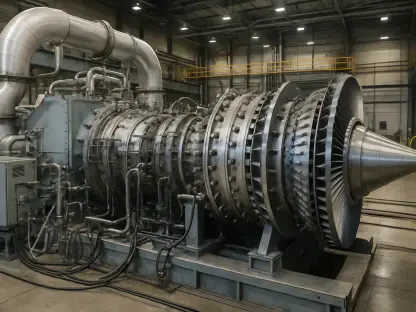
The capacity market serves as the financial foundation for the “steel in the ground,” providing the billions of dollars in investment needed to support fixed costs even when a plant isn’t running every day. During this winter test, peaker facilities that usually sit idle were required to operate for weeks at a time, supported by baseload plants and contributions from offshore wind. Transitioning from standby to full-time operation requires months of pre-planning, including rigorous performance testing, preparedness training, and operational improvements at hundreds of facilities. Plant managers must ensure that every bolt is tightened and every fuel stockpile is topped off long before the freezing rain and sub-zero wind chills arrive. This “all hands on deck” approach is what allows a gas or hydro facility to meet the unique load shapes of a high-demand period like Super Bowl Sunday.
Regional authorities are currently refining the accreditation of reliability values for various technology types. What specific market design changes are necessary to address seasonal energy needs, and how will these reforms ensure that existing investments remain viable while attracting enough new generation to meet future demand?
We have been working for years to sharpen how we credit the reliability value of different energy technologies, but the work is far from over. The market design must evolve to better account for seasonal needs, specifically by creating a clearer view of what actual demand looks like during moments of extreme stress. We need to conclude these capacity auction reforms this year to balance the risks and opportunities for investors, ensuring that we sustain the plants we have while attracting the new generation required for the future. The capacity market is what pays for the unseen maintenance and the stable operations we rely on during 2025’s summer peaks and winter freezes. Tuning this market is the only way to ensure that we have enough megawatts to meet concrete demand projections as the grid continues to transform.
Once an emergency weather event concludes and temperatures rise, what specific technical inspections and equipment replacements take priority at generating facilities?
As soon as the snow melts and temperatures rise, the work moves from survival to restoration and preparation. Plant operators immediately head back out to the floor to tighten screws, inspect components stressed by weeks of high-output running, and replace worn-out equipment that took a beating during the storm. This period is dedicated to a rigorous cycle of maintenance and fuel stockpiling to replenish the reserves used during the cold snap. Teams also use this time for performance training, reflecting on what worked and what didn’t to refine their routines for the next inevitable period of high stress. It is a continuous loop of testing and improvement that happens behind the scenes to ensure the grid is ready for the next time the mercury drops.
What is your forecast for the New England power grid?
My forecast is one of cautious optimism tempered by the reality that past performance does not guarantee future outcomes. While our systems and markets performed admirably this winter, New England is going to need every bit of its existing generating capacity plus significantly more investment in new resources to meet future demand. We are currently in a transition period where the grid is becoming more complex, and our success will depend entirely on our ability to finalize market reforms that value reliability above all else. If we can successfully tune the capacity market to reflect the true seasonal needs of the region, I believe we will maintain a resilient system that can withstand the increasingly volatile weather patterns we are seeing across the continent.