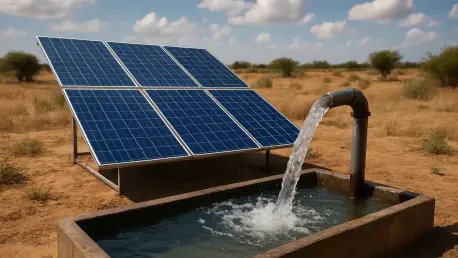

When a catastrophic event dismantles a region’s power grid and severs its supply lines, the immediate absence of potable water creates a survival window that closes rapidly for the most vulnerable populations. For decades, the standard response involved a massive logistical undertaking of trucking in thousands of gallons of bottled water or deploying heavy filtration units powered by fossil fuel generators. However, these methods often fail when roads are impassable or when fuel becomes a scarce, expensive commodity in a conflict zone. By 2026, the integration of portable solar-powered purification systems has emerged as a viable alternative that bypasses traditional infrastructure limitations entirely. These units utilize high-efficiency photovoltaic panels to drive advanced filtration processes, including reverse osmosis and ultrafiltration, providing a localized and consistent supply of safe water. This shift represents a move toward autonomy, ensuring that life-saving resources are generated at the point of need without reliance on external supply chains.
Innovation in Response: The Shift to Renewable Energy
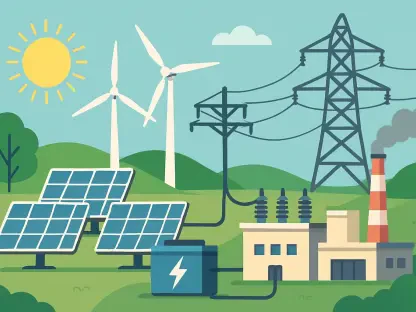
The transition from fuel-dependent machinery to autonomous solar arrays marks a fundamental change in the tactical deployment of humanitarian aid during acute crises. Traditional diesel-powered generators require constant maintenance and a steady stream of combustible fuel, which is frequently diverted or depleted in high-stress environments. In contrast, modern solar-powered purification kits are designed for rapid setup, often requiring less than an hour to become fully operational under direct sunlight. These systems provide a continuous energy source that powers not only the pumps and filters but also integrated monitoring sensors that track water quality in real-time. By removing the burden of fuel logistics, humanitarian organizations can allocate their limited resources toward other critical needs, such as medical supplies or food distribution. This technological independence proves especially vital in remote areas where the geography prevents the easy transport of heavy equipment, allowing for a more agile and responsive intervention strategy.
Protecting public health in the wake of a disaster requires more than just high-volume water production; it necessitates a specialized defense against a surge of waterborne pathogens. When municipal sewage systems fail and flooding occurs, local water sources are often inundated with bacteria such as Vibrio cholerae and various strains of E. coli. Solar-powered units equipped with multi-stage filtration and ultraviolet sterilization provide a robust barrier against these threats, effectively neutralizing pathogens that cause diarrheal diseases. These illnesses often result in higher mortality rates than the initial disaster itself, particularly among children and the elderly who are prone to rapid dehydration. By purifying contaminated surface water or groundwater on-site, these systems stop the cycle of infection before it can escalate into a full-blown epidemic. The ability to provide safe water in a decentralized manner means that displacement camps and temporary clinics can maintain rigorous sanitation standards, significantly reducing the burden on overstretched emergency healthcare facilities.
Community Resilience: Beyond the Hardware
Effective disaster management involves more than the delivery of equipment; it requires a deep commitment to building local capacity to ensure that systems remain functional over time. Rather than treating affected populations as passive recipients of aid, modern solar water projects emphasize technical training for community members who will oversee the daily operation of the units. This involves educating local technicians on the maintenance of solar panels, the replacement of filter cartridges, and the basic troubleshooting of electrical components. By 2026, many initiatives have adopted a model where the first year of operation is a collaborative period intended to transfer ownership to the community. This approach ensures that the technology does not fall into disrepair once the primary aid organization departs from the region. By fostering a sense of stewardship, these projects empower residents to manage their own utility, creating a foundation for long-term recovery and reducing the systemic dependency on international relief that has historically characterized crisis zones.
Hardware solutions must be paired with comprehensive social engineering to maximize the health outcomes of any water purification initiative in an emergency setting. Even the cleanest water produced by a solar-powered system can be re-contaminated if the end-user lacks the proper knowledge regarding safe handling and storage practices. Consequently, hygiene and awareness campaigns are integrated as core components of the deployment strategy, teaching residents how to keep storage vessels clean and why handwashing is critical during a disease outbreak. This holistic approach addresses the entire water cycle, from the moment it is pumped from a contaminated source to the point it is consumed within a household. By aligning physical infrastructure with behavioral change, humanitarian teams create a more durable shield against illness. These educational efforts often extend to schools and community centers, turning the water purification site into a hub for public health education that benefits the entire population, thereby reinforcing the overall resilience of the community against future environmental shocks.
Financial Scalability: The Value Proposition of Renewable Aid
The economic argument for transitioning to solar-powered water infrastructure in humanitarian settings is becoming increasingly difficult to ignore for major global donors. While the initial capital expenditure for a high-capacity solar purification unit can be significant, the long-term operational costs are negligible compared to the recurring expenses of fuel and transportation for traditional water aid. A targeted investment of approximately $750,000 can establish a network of purification sites capable of serving 12,000 people, effectively paying for itself within the first year of operation by eliminating the need for expensive water trucking contracts. This financial efficiency allows aid organizations to stretch their budgets further, providing essential services to a larger number of people with the same amount of funding. Furthermore, by investing in durable assets rather than temporary consumables, donors are contributing to the permanent improvement of local infrastructure, which can be integrated into broader national development goals once the immediate emergency phase of a disaster has passed.
Strategic planners established a clear roadmap for scaling these renewable solutions by prioritizing standardized hardware that could be easily replicated across different geographic regions. They integrated modular solar arrays with robust filtration tanks that withstood harsh environmental conditions, ranging from arid deserts to humid tropical zones. The focus shifted toward creating a global inventory of these units, ready for immediate airlift to any location where the local water supply was compromised. Governments and NGOs worked together to finalize technical specifications that ensured compatibility with existing local plumbing where possible, allowing for a seamless transition from emergency aid to permanent utility management. This proactive stance demonstrated that the most effective way to address water scarcity was to localize production through renewable energy. By the time the initial deployment phases were completed, the move toward green humanitarianism had provided a proven blueprint for reducing mortality and fostering independence in the world’s most vulnerable and disaster-prone areas.