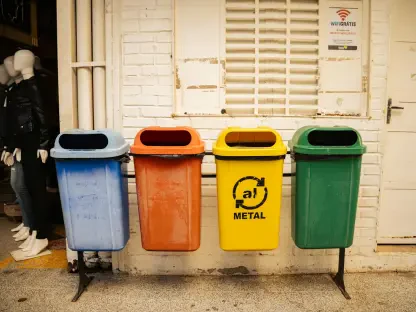

The festive period between Thanksgiving and New Year’s Day often brings a significant environmental toll, with the average family’s household waste increasing by an astonishing 25 percent during this time. This surge is driven by a combination of shipping materials from online shopping, single-use gift wrapping, disposable decorations, and an abundance of food waste. While the holidays are synonymous with generosity and abundance, this sharp rise in refuse presents a serious challenge to local waste management systems and the broader goal of environmental stewardship. Addressing this issue does not require sacrificing festive traditions but rather reimagining them through a lens of sustainability. By adopting a mindful approach centered on the principles of reducing, reusing, and recycling, it is possible to create a holiday season that is both celebratory and responsible, ensuring the joy of the present does not come at the expense of the future. The key lies in conscious consumption and proper disposal, supported by community-wide programs and a collective shift in perspective.
Rethinking Gifting and Decor
A fundamental shift toward a sustainable holiday begins with reconsidering the very materials used to celebrate. Instead of relying on disposable decorations that contribute to landfill waste year after year, the focus can turn to durable, reusable items that build a legacy of tradition. Investing in quality ornaments and decor that can be passed down through generations not only reduces waste but also adds sentimental value to the festivities. Similarly, switching to energy-efficient LED lights significantly cuts down on electricity consumption without diminishing the bright, cheerful atmosphere. The concept of gift-giving also offers a prime opportunity for innovation. Moving beyond material possessions, “experience” gifts—such as concert tickets, cooking classes, or outdoor adventures—create lasting memories without generating physical waste. When physical gifts are chosen, the presentation can be transformed from a source of trash into a creative expression. Reusable options like fabric wraps, old maps, or even a child’s artwork can replace single-use paper, turning the wrapping into a thoughtful part of the gift itself and promoting a culture of mindful giving.
Navigating the Post-Holiday Cleanup
Once the celebrations have concluded, the challenge of managing the resulting waste comes into sharp focus, yet strategic planning and knowledge of local resources can make a significant difference. Careful meal planning is one of the most effective ways to minimize food waste, ensuring that ingredients are used efficiently and leftovers are repurposed. For the food scraps that are inevitably generated, composting provides an environmentally sound solution, diverting organic material from landfills where it would otherwise produce methane gas. Many municipalities now allow all food scraps to be placed in yard debris carts, simplifying the process for residents. Understanding recycling guidelines is equally crucial. While plain paper gift wrap and cardboard boxes are widely recyclable, items like foil-based paper, ribbons, and the common plastic clamshell packaging are typically destined for the trash. To bridge the gap for more complex items, communities are expanding services, with facilities offering free drop-off for oversized cardboard, old string lights, electronics, and other hard-to-recycle materials such as plastic bags, aluminum foil, and shredded paper, thereby easing the burden on households and the environment. This deliberate approach to disposal transformed the holiday cleanup from a daunting task into a final, meaningful act of sustainability.