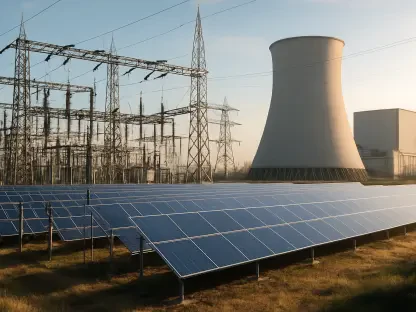

The structural integrity of a modern power grid is never truly measured by its performance on a temperate spring day, but rather by its resilience during a sub-zero winter night when demand reaches its peak and renewable generation suddenly vanishes. As the United States moves through a complex and rapid energy transition, a fundamental question regarding the nation’s survival emerges: can the country truly afford to retire the very fuel source that serves as the most dependable anchor for the grid? While the push for “clean” energy dominates the headlines, the physical reality of electricity generation reveals that coal-fired power plants remain the indispensable backbone of American energy security.
The High Stakes of the Great Energy Transition
The ongoing debate over the future of coal is no longer just a matter of environmental policy; it has become a critical issue of national economic stability and physical safety. As grid operators across the country issue warnings about increasing blackout risks, the rush to decommission coal fleets faces intense scrutiny from engineers and economists alike. This shift matters to every American ratepayer who expects affordable monthly bills and to every business that requires an uninterrupted power supply to remain competitive.
Understanding the unique role of coal is essential to navigating a transition that seeks to balance environmental goals with the practical necessity of a functional, resilient power grid. Without a clear-eyed assessment of how different fuels perform under pressure, the country risks a future defined by energy scarcity and price volatility. The transition must be managed with a focus on physical reality rather than ideological aspirations, ensuring that the lights stay on for everyone, regardless of the weather.
The Economic Myth of Cheaper Renewables
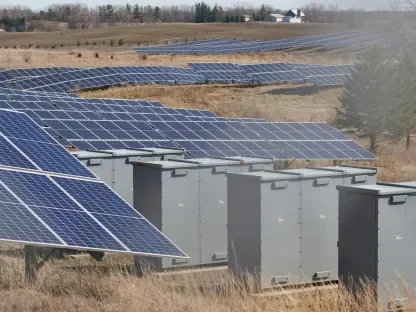
The common narrative often suggests that replacing coal with wind and solar will naturally lead to lower costs for consumers, but a closer look at the data reveals a far more complex story. Recent analysis from Energy Ventures Analysis indicates that transitioning away from coal could impose a massive financial burden on ratepayers, potentially adding billions in annual costs compared to maintaining existing infrastructure. This discrepancy arises because the true cost of renewables involves much more than just the price of the panels or turbines.
Unlike new renewable projects that require immense upfront investment in transmission lines and massive battery storage, existing coal plants offer a depreciated, cost-effective asset. These facilities provide steady power without the immediate need for expensive “firming” technologies that are required to backup intermittent sources. Rapid retirement strategies often ignore these “sunk costs” and the economic ripple effects on local communities that depend on the stability of coal-based energy production for their livelihoods.
Measuring Reliability: Capacity Values and Grid Stability
Not all megawatts are created equal in the eyes of a grid operator, and technical metrics like the Effective Load Carrying Capability (ELCC) show why coal is a superior performer during peak demand. Data from the PJM Interconnection’s recent auctions reveals that coal is twice as reliable as onshore wind and nearly eight times more dependable than solar energy when the grid is under stress. This disparity highlights the difference between “nameplate capacity” and the actual energy available during a crisis.
While natural gas is a major player in the current energy mix, it lacks the inherent on-site fuel security that coal provides, making it susceptible to pipeline constraints and price volatility during emergencies. Coal acts as a “firm” source of power that does not disappear when the sun sets or the wind dies down. This “anchor” effect ensures that grid operators have a reliable fallback that can be dispatched at a moment’s notice to prevent a total system collapse.
Lessons from Winter Storm Fern: A Case Study in Resilience
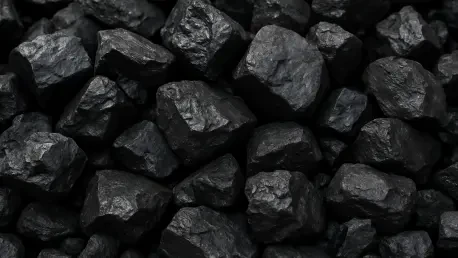
Extreme weather events serve as the ultimate stress test for the American grid, and history shows that coal consistently steps up when other sources fail to meet the challenge. During Winter Storm Fern, for instance, renewable output remained stagnant due to frozen equipment and lack of sunlight, yet coal plants demonstrated a remarkable ability to surge their production. Large on-site coal stockpiles allowed these plants to operate independently of supply chains for weeks, providing a level of security that gas pipelines simply cannot match.
The ability of coal to “run harder” during severe storms proved to be the primary defense against catastrophic grid failure. Specifically, the average capacity factor for coal plants rose from 43% to 78% during the height of the storm, filling the gap left by intermittent sources. This surge capacity is not just a technical advantage; it is a life-saving feature that prevents widespread blackouts during the most dangerous times of the year.
Strategies for a Balanced Energy Policy
To maintain a reliable and affordable grid, policymakers and utility commissions had to move beyond ideological targets and focus on the practicalities of power generation. This meant prioritizing grid resilience over arbitrary retirement dates and evaluating the value of plants based on their performance during “worst-case” weather scenarios. Recognizing and compensating for the unique value of on-site fuel storage acted as a strategic insurance policy for the national grid, protecting consumers from both physical darkness and economic hardship.
Investment shifted toward modernizing existing infrastructure, with a focus on efficiency and emissions-control technologies that extended the life cycles of proven assets. This approach allowed the nation to maintain its baseload capacity while waiting for next-generation technologies to mature. By valuing firm, dispatchable power, leaders ensured that the energy transition was a gradual evolution rather than a reckless leap into instability. These actions ultimately secured a future where energy remained both abundant and accessible for all citizens.