
The Synergy of Nuclear Energy and the Digital Infrastructure Boom
The American electrical grid is currently navigating a period of unprecedented transformation where the surging demand for artificial intelligence intersects with the urgent need for 24/7 carbon-free baseload power. As wholesale electricity prices exhibit significant volatility, the role of independent power producers has shifted from mere suppliers to essential architects of grid stability. The transition away from a fossil-fuel-reliant infrastructure is no longer a theoretical goal but a commercial necessity driven by the rapid expansion of energy-intensive computing clusters.
At the center of this transition is Constellation Energy, which has solidified its market dominance through the strategic acquisition of Calpine. This twenty-two billion dollar move expanded the company’s fleet to a massive 55 gigawatts, combining nuclear and gas-fired generation to balance intermittent renewable sources. By controlling such a substantial portion of the nation’s clean energy output, the organization is uniquely positioned to meet the decarbonization targets of corporate giants while insulating the broader grid from the fluctuations of the spot market.
Driving the Future of High-Density Power Markets
Surge in Demand and the Evolution of Energy-Intensive Computing
The proliferation of large-scale data centers has fundamentally altered the pricing dynamics of regional power markets, particularly in New England and the PJM West territory. Day-ahead electricity prices in these regions have seen double-digit percentage increases as the digital economy competes for existing supply. This surge reflects a broader shift in corporate behavior where the priority has moved toward reliability and constant availability rather than simply seeking the lowest-cost intermittent power.
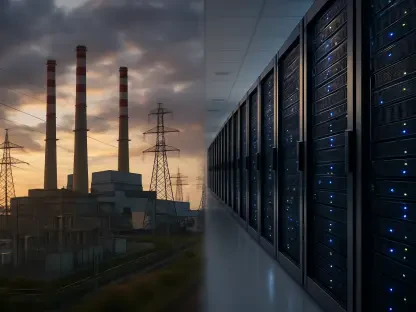
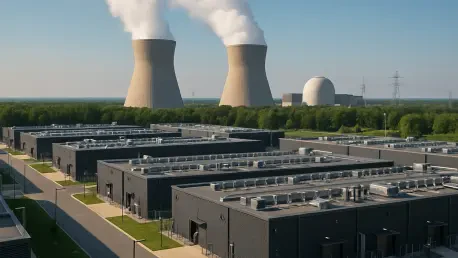
Moreover, the tech sector’s requirement for uninterrupted energy has paved the way for innovative behind-the-meter solutions. By co-locating data infrastructure directly with nuclear generation sites, companies can bypass traditional grid congestion and secure a dedicated power stream. These direct power purchase agreements represent a new frontier for Big Tech, allowing for the rapid scaling of high-density computing without the delays associated with multi-year transmission upgrades.
Market Projections and the Rising Premium on Grid Stability
Capacity markets are providing a clear signal that the era of surplus energy is ending, as evidenced by the 445 percent jump in capacity prices within the PJM ComEd zone. This price escalation indicates a tightening supply-demand balance that rewards generators capable of guaranteed delivery. Financial analysts are closely watching these performance indicators, as they suggest a high premium for the firm, carbon-free electricity that nuclear plants provide.
The growth outlook for nuclear-to-data-center contracts remains robust, highlighted by significant agreements such as the 1,100-megawatt deal with CyrusOne. While revenue reached 25.5 billion dollars, the financial landscape is complicated by the phasing out of traditional nuclear production tax credits. However, when adjusting for unrealized losses and economic hedges, the underlying growth in operating earnings suggests that the market is beginning to value the long-term stability of nuclear assets over short-term subsidy reliance.
Navigating Operational Volatility and Infrastructure Hurdles
Maintaining profitability in the current energy landscape requires a delicate balance between managing fluctuating fuel costs and navigating unpredictable weather patterns. The operational complexity of the power sector means that even minor supply chain disruptions can impact the bottom line. Consequently, independent power producers must employ sophisticated hedging strategies to mitigate the risks associated with volatile market movements and shifting government fiscal policies.
One of the most ambitious undertakings in the current strategy involves the potential restart of legacy assets, most notably the 835-megawatt Crane Clean Energy Center at Three Mile Island. Reviving a decommissioned nuclear unit presents significant engineering and financial challenges, requiring substantial capital investment and meticulous planning. Successfully navigating these hurdles is essential for demonstrating that existing nuclear infrastructure can be repurposed to meet the modern demands of the digital economy.
The Regulatory Framework and Licensing Landscape
The path to expanding nuclear capacity is heavily influenced by federal and state standards governing the relicensing of existing units. Obtaining extended operating licenses from the Nuclear Regulatory Commission is a rigorous process that ensures safety while allowing facilities to provide clean power for several more decades. Furthermore, regional transmission organizations like PJM are continuously refining capacity auction rules to better reflect the true value of reliable, dispatchable energy sources in a decarbonizing market.
Compliance and security measures are particularly stringent when co-locating data centers with nuclear generation facilities. Integrating these two distinct industries requires a sophisticated regulatory framework that addresses physical security, cyber protections, and grid interconnection protocols. Additionally, the evolution of the Inflation Reduction Act continues to shape the investment climate, as the eligibility for various tax credits influences the long-term feasibility of large-scale infrastructure projects.
The Strategic Path Toward a Decarbonized Digital Economy
Looking ahead, the integration of small modular reactors offers a promising avenue for scaling nuclear power alongside growing technology hubs. These smaller, flexible units could potentially be deployed in areas where traditional large-scale reactors are not feasible, providing localized and reliable power for the next generation of cloud computing. This innovation, combined with the restart of larger dormant plants, creates a diversified portfolio of carbon-free energy options for global technology leaders.
Innovations in long-term price stability have become a primary selling point for technology partners like Microsoft, who require predictable energy costs to justify multi-billion dollar investments. Domestic energy independence, fueled by clean nuclear power, is increasingly becoming a competitive advantage for the United States on the global stage. As artificial intelligence continues to evolve, the necessity for a stable baseload of energy positions nuclear power as the primary engine for the future of the digital economy.
Scaling Nuclear Power to Meet the Needs of Next-Gen Technology
The strategic pivot toward high-margin data center partnerships successfully redefined the competitive landscape for independent power producers. Constellation Energy demonstrated a unique ability to leverage its massive nuclear fleet to secure long-term contracts that prioritized grid reliability and carbon neutrality. This approach allowed the company to capitalize on tightening capacity markets while providing the stable energy foundation required for advanced computing and cloud services.
Stakeholders who monitored regulatory approvals and infrastructure scaling found that these factors served as critical indicators of long-term investment viability. The successful navigation of the relicensing process and the integration of behind-the-meter solutions proved that nuclear energy was not just a legacy technology but a vital component of the modern grid. As the industry moved forward, the focus remained on optimizing existing assets and exploring new reactor designs to sustain the growth of the global digital infrastructure.