
As Coral Springs continues to enhance its municipal services and uphold community standards, the city has implemented a comprehensive and standardized set of regulations for garbage, recycling, and bulk trash collection. This structured approach, managed through a contract with Coastal Waste and Recycling, is designed to streamline waste management, improve neighborhood aesthetics, and ensure the safety and efficiency of collection services for all residents. The new system clarifies residential responsibilities and provides a clear framework for disposing of various types of waste, from everyday household garbage to larger, bulkier items. Understanding these guidelines is crucial for every household to ensure uninterrupted service and to contribute to a cleaner, more organized community. These updated procedures affect everything from weekly pickup schedules to the specific preparation and placement of materials at the curb, establishing a new baseline for waste disposal city-wide.
Navigating the Weekly Collection Schedule
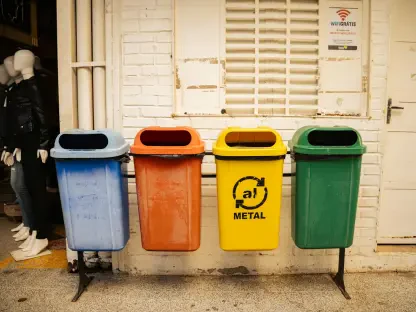
Under the city’s agreement with Coastal Waste and Recycling, residents are provided with a consistent and predictable collection schedule designed to manage different waste streams effectively. Standard green garbage carts are collected twice per week, accommodating regular household waste. In contrast, the blue recycling carts and bulk trash are each collected once per week on a designated day. This tiered system helps separate recyclables from general waste and manages the disposal of large items separately. To assist residents in keeping track of their specific service days, the city has made a detailed map and corresponding chart available for reference. A significant aspect of this schedule involves holiday exceptions. No collection services of any kind will take place on Thanksgiving Day or Christmas Day. For households whose regular pickup falls on one of these two major holidays, the service will be postponed until their next regularly scheduled collection day for that specific type of waste. This policy ensures that collection crews can observe the holidays without creating a significant backlog, as the schedule resumes normally afterward.
Mastering the New Bulk Disposal Guidelines
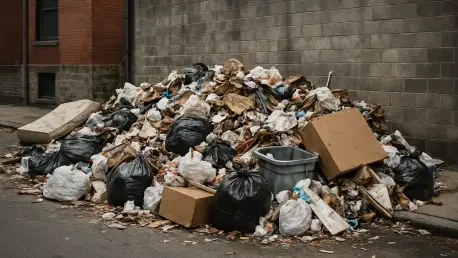
The regulations established for bulk trash collection were particularly detailed, creating a clear set of expectations for residents. A strict volume limit of six cubic yards per collection was set, which is roughly the size of a standard pickup truck bed. Any pile exceeding this size would not be collected. Within that pile, specific restrictions applied: no single item could weigh more than 50 pounds, and a maximum of two of the six cubic yards could consist of construction debris. Furthermore, any yard waste, such as tree trimmings or branches, had to be cut to lengths not exceeding five feet. Prohibited items included hazardous materials, which residents were directed to take to the Waste Transfer Station, and extra garbage bags, which belong in the green cart. Accepted materials included common household goods like furniture, mattresses, and appliances, but some required special preparation. For safety, mirrors or large panes of glass had to be securely boxed or wrapped, and refrigerators required the removal of their doors and Freon before being placed curbside. Proper placement was also critical, as bulk items could not be situated under trees or power lines. Ultimately, these rules solidified the resident’s responsibility for all waste generated at their address, including ensuring that private contractors hauled away any debris that surpassed the city’s limits.